Brand
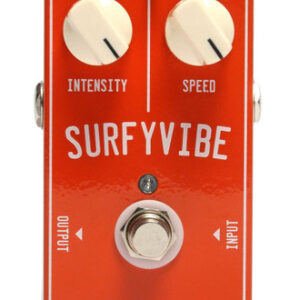
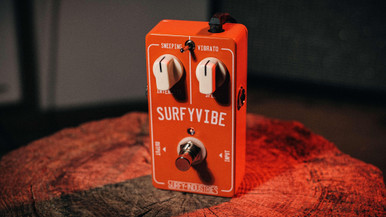
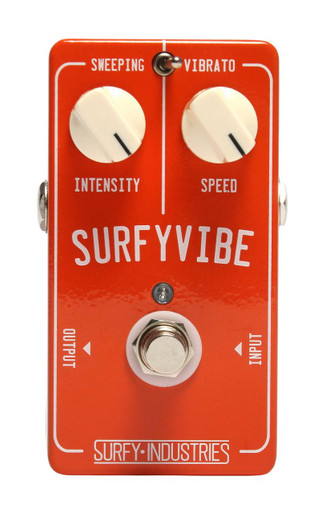
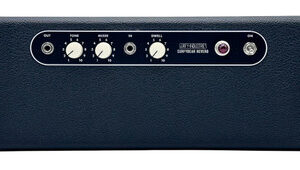
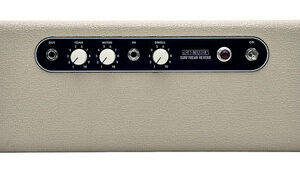
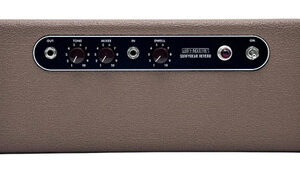
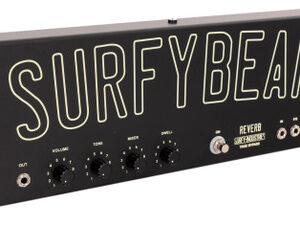
Surfy Industries capture the golden age of surf tone with modern reliability. From the legendary SurfyBear Reverb to their lush tremolos and vibes, each unit is built to deliver that classic 60s splash and shimmer. Designed by surf tone purists, their gear brings authentic vintage circuits into a modern, road-ready format — perfect for players who crave real spring reverb and retro charm.
Category
Tags
A chorus pedal thickens and widens your tone by subtly duplicating your signal and shifting it slightly out of tune and time. The result is movement — shimmering cleans, liquid arpeggios, and that unmistakable 80s swirl that makes single notes feel fuller and chords sound expansive. From gentle sparkle to deep, watery modulation, chorus adds dimension without overwhelming your core sound.
Use it to bring life to clean passages, soften driven tones, or create spacious textures that sit beautifully in a band mix. Whether you’re after subtle depth or bold, warbling character, a chorus pedal is a simple way to make your guitar sound bigger, richer, and more immersive.
This is brand new, fresh in, and a UK warranty is included. New Gear always comes from trusted UK music retailers.
A phaser is a type of guitar effects pedal that creates a swirling, sweeping sound by modulating the phase of the audio signal. It works by splitting the incoming signal into two paths, shifting the phase of one path, and then recombining them. This creates peaks and troughs in the frequency spectrum, resulting in a distinctive, “phasing” effect characterized by moving notches in the frequency response.
Here’s how a phaser pedal typically works and some common features:
1. **Rate**: The rate control adjusts the speed at which the phase-shifting effect oscillates. Increasing the rate produces faster modulation, creating a more pronounced swirling effect, while decreasing the rate slows down the modulation for a smoother, more subtle effect.
2. **Depth**: The depth control adjusts the intensity or depth of the phase-shifting effect. Higher depth settings result in more pronounced peaks and troughs in the frequency response, while lower settings produce a more subtle modulation.
3. **Feedback (or Regeneration)**: Some phaser pedals feature a feedback control that determines the amount of modulated signal fed back into the effect. Increasing the feedback creates more pronounced peaks and troughs in the frequency spectrum, resulting in a more intense and resonant phasing effect.
4. **Stages**: Phasers typically have multiple stages (usually four, six, or eight), each of which contributes to the overall phase-shifting effect. More stages generally result in a more complex and textured phasing sound.
5. **Sweep (or Manual)**: The sweep control adjusts the center frequency of the phase-shifting effect. This allows you to focus the phasing effect on specific frequency ranges, altering the tonal character of the modulation.
6. **Resonance (or Feedback)**: Some phaser pedals feature a resonance control that emphasizes the peaks and troughs in the frequency response, creating a more pronounced and resonant effect. This control can add richness and depth to the phasing sound.
Phaser pedals are commonly used in various music genres, including rock, funk, and psychedelic music, to add movement, depth, and texture to guitar tones. They can be used to create swirling, swirling effects on rhythm parts, add dynamics to lead lines, or create atmospheric textures for ambient music. Overall, phaser pedals offer guitarists a versatile tool for shaping their tone and adding expressive modulation effects to their playing.
Pitch pedals alter the frequency of your guitar signal, changing the perceived note or adding harmony. They can shift notes up or down by fixed intervals, create harmonies, or produce dive-bomb and whammy-style effects without a tremolo arm. Pitch shifters and harmonisers are great for thickening solos, simulating multiple guitars, or experimenting with creative, otherworldly sounds that expand your tonal range.
A tremolo pedal modulates the volume of your guitar signal up and down in a rhythmic pattern, creating a pulsing or wavering effect that can sound vintage and hypnotic or sharp and choppy depending on the settings. It’s one of the oldest effects in guitar history, famously used on classic amps from the 1950s and ’60s.
Most tremolo pedals let you control the speed, depth, and wave shape, allowing you to go from smooth, subtle swells to intense stuttering tones. It’s a simple but expressive effect that adds movement and character to your sound.
Used pedals bring character, value, and often a bit of history to your board. Whether it’s a well-loved classic or a recent release looking for its next home, a used pedal offers the same core tone at a more accessible price. Fully tested and described clearly, it’s a chance to grab great gear without paying brand-new money.
Go used to explore different sounds, track down discontinued favourites, or build your setup more affordably. Sometimes a pedal with a few marks on the casing still delivers flawless tone — and might even have a story or two behind it.
Vibrato refers to a guitar pedal effect that modulates pitch slightly up and down, creating movement and a sense of wobble in the sound. Unlike tremolo, which changes volume, vibrato affects pitch only, producing anything from subtle shimmer to pronounced, warbling textures. It is often used to add character, depth, and vintage-style modulation to guitar tones.