Brand
Laney Amplification is a British manufacturer of guitar and bass amplifiers, known for their rich heritage, innovative designs, and powerful sound. Founded in 1967 by Lyndon Laney, the company has a long history of providing musicians with high-quality amplification solutions for both live performance and studio recording.
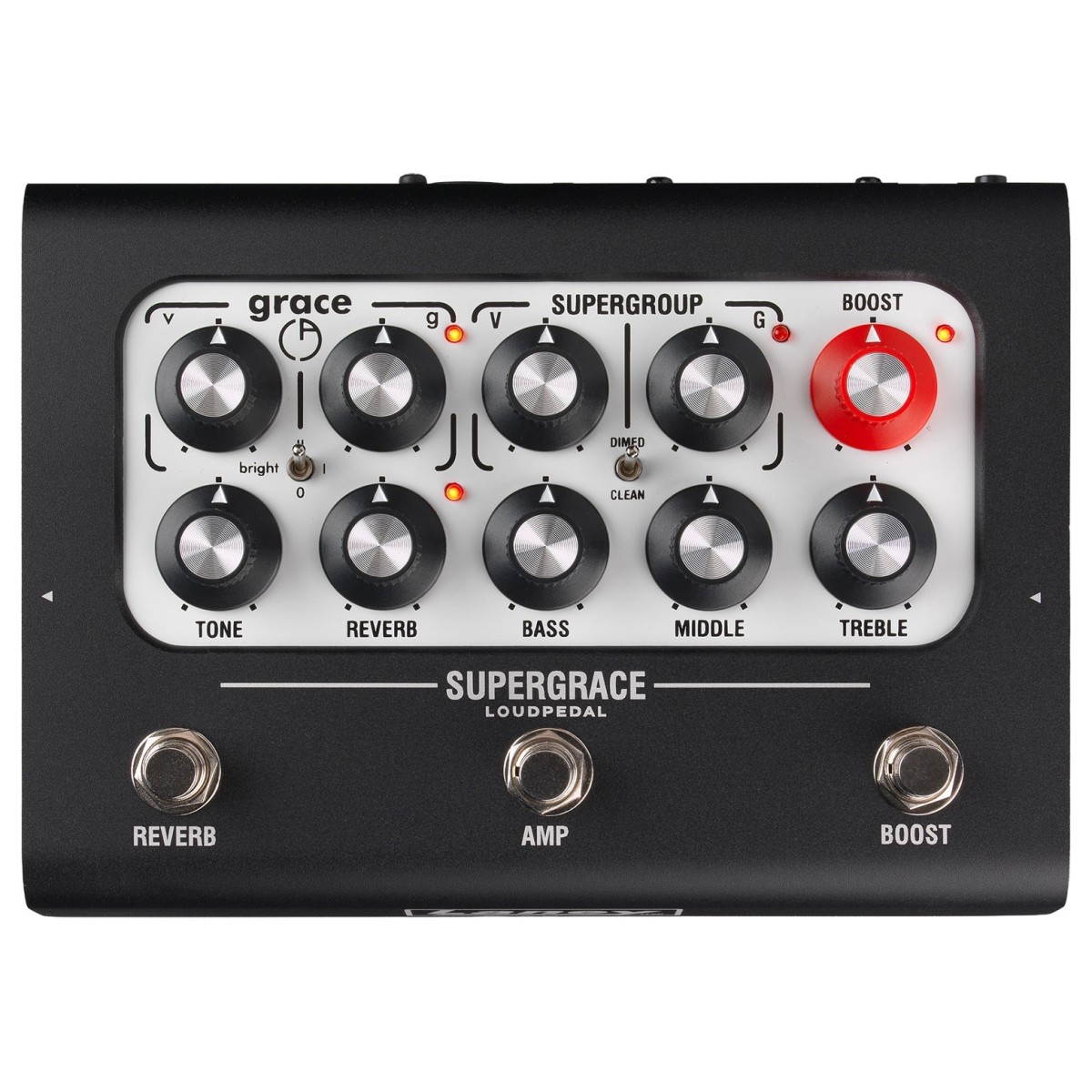
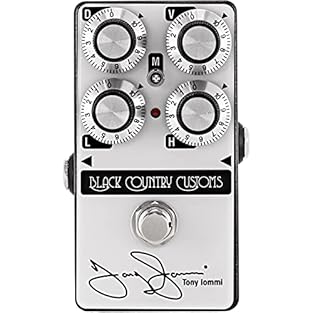
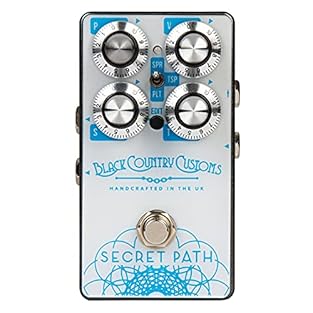
Among Laney’s product lineup, their guitar amplifiers stand out as some of the most respected and sought-after in the industry. From classic tube amplifiers like the Lionheart and the Supergroup to modern digital modeling amps like the Ironheart and the Black Country Customs series, Laney amplifiers offer musicians a wide range of tones and features to suit different playing styles and preferences.
In addition to guitar amplifiers, Laney produces a variety of bass amplifiers, speaker cabinets, and audio accessories, designed to meet the needs of bassists in any musical genre. The company’s commitment to quality craftsmanship and innovation has made Laney a trusted choice for professional musicians and enthusiasts alike, providing reliable amplification solutions that deliver powerful sound and exceptional tone.
Category
Tags
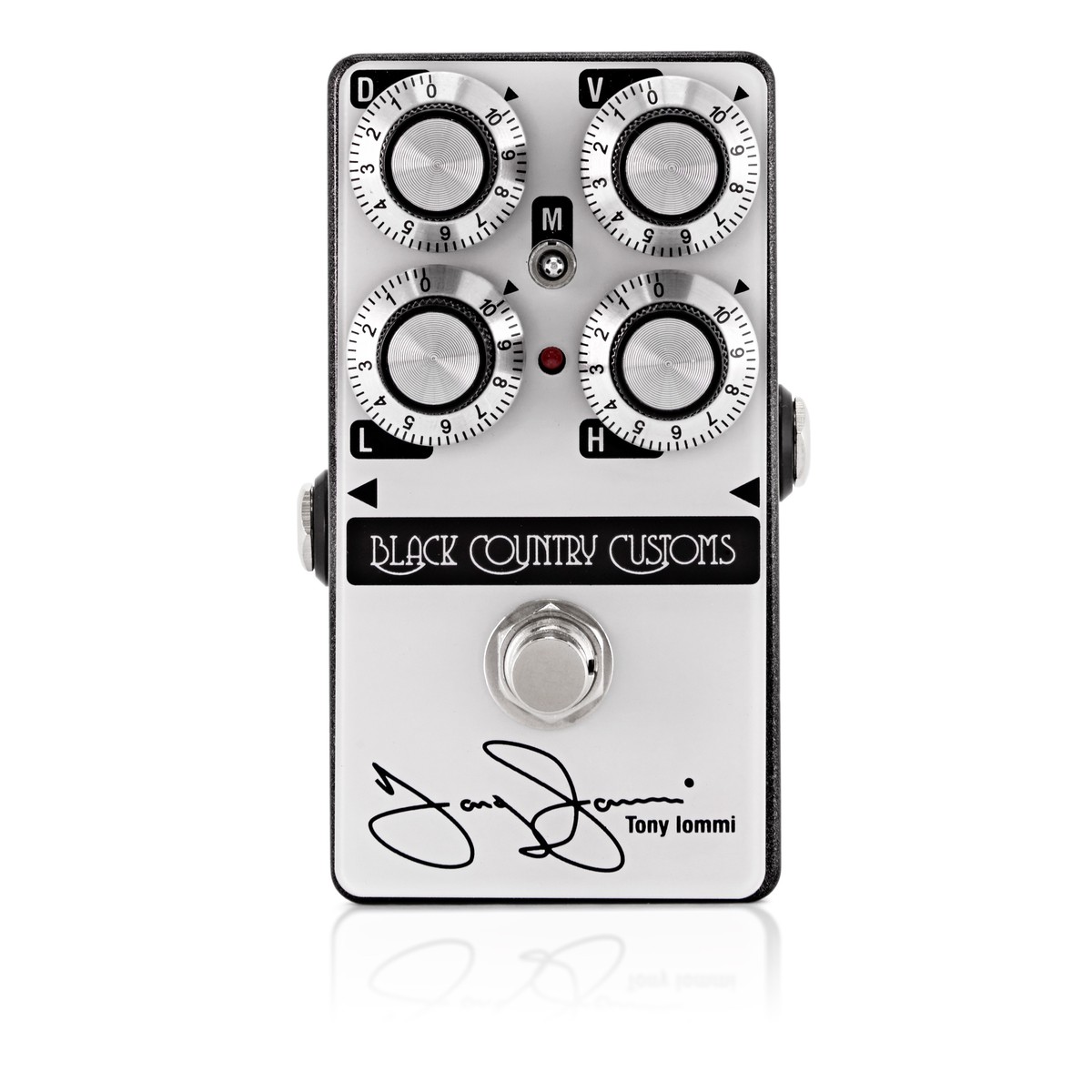
A boost pedal does one simple thing brilliantly — it makes your signal louder, stronger, and more alive. Whether you’re pushing a valve amp into natural breakup, lifting a solo above the band, or adding a touch more presence to your core tone, a clean boost gives you extra headroom without changing your character.
Use it at the front of your chain to drive other pedals harder, or after your gain stages to raise volume without adding distortion. Subtle or powerful, transparent or slightly coloured, a boost is one of the most useful tools on any pedalboard — small box, big difference.
A DI pedal (Direct Injection) lets you send your signal straight to a mixing desk or audio interface with clarity and confidence. It converts your instrument’s output into a balanced signal, reducing noise and allowing for longer cable runs without losing quality. Whether you’re playing live or recording, a good DI keeps your tone clean, controlled, and stage-ready.
Use a DI to go direct at a gig, split your signal between amp and PA, or capture a pure track in the studio. It’s a practical, dependable tool that ensures what leaves your pedalboard arrives exactly as intended — solid, noise-free, and ready for the mix.
Your pedal is like a signature dish for your sound — a flavour-packed creation that transforms the bland ingredients of your guitar into something unforgettable. Each one adds its own seasoning, texture, and heat, turning a simple meal into a feast of tone.
These tasty little boxes sit in a row, like plates on a buffet, letting you mix and match flavours as you play. With one tap of your foot, you can swap sweet for spicy, subtle for smoky, and serve up something completely new. From the comfort food of warm overdrive to the fiery kick of fuzz, from smooth jazz sauce to heavy-metal spice, pedals give players a full menu of options to express their taste. And just like with food, once you’ve tried one dish, you’ll want to sample them all.
Collecting, trading, and discovering new flavours soon becomes part of the joy of being a tone-loving gourmet geek with a guitar.
MIDI pedals use the Musical Instrument Digital Interface standard to communicate with other guitar pedals, effects units, and hardware. They allow control over presets, parameters, and switching across multiple devices from a single controller. MIDI integration makes it possible to build complex, synchronised pedal setups while keeping control simple and consistent.
A power supply pedal unit keeps your board running clean, stable, and noise-free. Designed to deliver consistent, isolated power to multiple pedals at once, it prevents hum, ground loops, and voltage issues that can creep in with cheap adapters or daisy chains. It’s the quiet backbone of a reliable setup.
Use a proper power supply to protect your tone, simplify your wiring, and make sure every pedal performs exactly as intended. Whether you’re running a compact board or a full touring rig, solid power keeps everything tight, dependable, and ready to play.
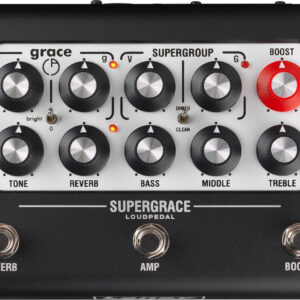
A preamp pedal shapes and boosts your guitar’s signal before it reaches your amp or recording interface, giving you control over tone, gain, and headroom. It acts as the first stage of amplification, adding warmth, clarity, and character while preparing your signal for the next part of the chain. Some preamps emulate the response of classic valve circuits, while others offer clean, transparent tone shaping ideal for acoustic instruments or direct recording setups.
Used on its own, a preamp pedal can serve as the foundation of your tone, providing a consistent core sound wherever you play. When combined with other effects, it enhances dynamics and helps each pedal sound more defined and natural. Whether you’re looking to push your amp harder, bring life to a dull signal, or refine your sound for the studio, a good preamp pedal adds presence, punch, and musicality to any rig.
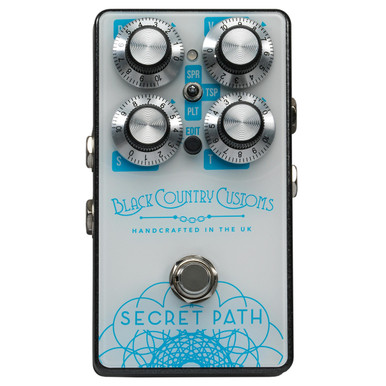
A reverb pedal is like the rich sauce that ties every flavour on the plate into one smooth experience. It adds depth, warmth, and atmosphere — the sonic equivalent of a perfectly reduced glaze that lingers on the tongue. Whether you’re after the subtle ambience of a cosy café (spring or plate reverb) or the grand echoes of a cathedral (hall or shimmer reverb), this is where your tone breathes and expands. A touch of reverb can turn a dry sound into something lush and inviting — but pour on too much, and it’s all you can taste. Used with finesse, it’s the finishing touch that transforms your tone from plain to unforgettable.
Volume pedals control the output level of a guitar signal using a foot-operated treadle. They allow smooth volume swells, dynamic control during playing, and easy muting between songs. Volume pedals can be placed at different points in the signal chain to either control overall loudness or adjust gain and drive behaviour when positioned before distortion or overdrive pedals.