Brand
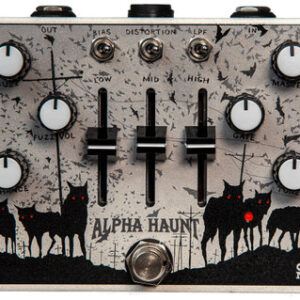
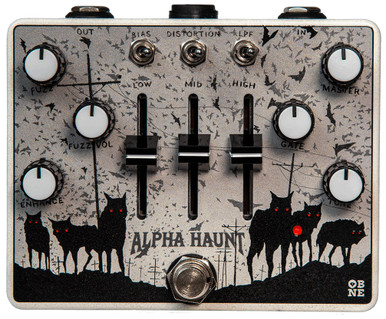
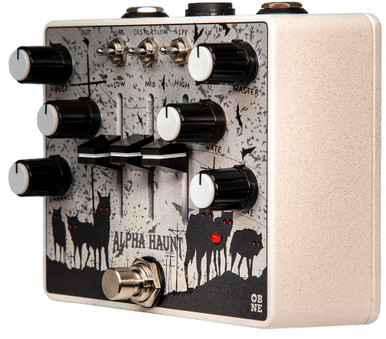
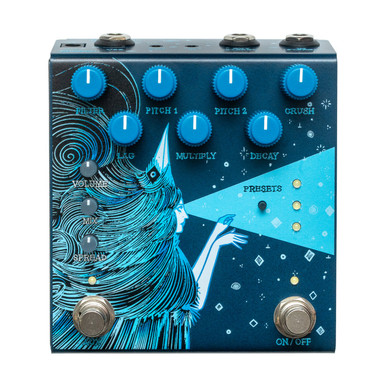
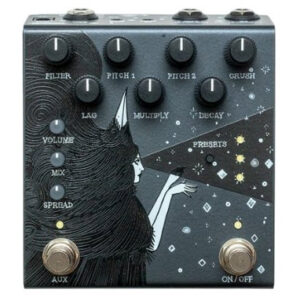
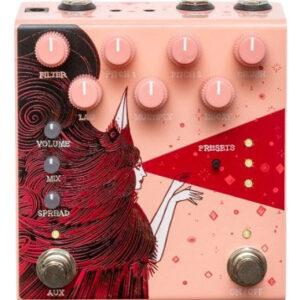
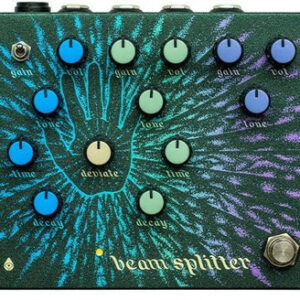
Old Blood Noise Endeavors is a pedal manufacturer known for its creative and unconventional effects. Their pedals are designed to push the boundaries of traditional sound, often combining distortion, delay, and modulation effects in innovative ways. One example is their *Beam Splitter* pedal, which takes a single input signal and splits it into three different versions with varying delay times and overdrive tones. This results in a larger, more textured sound, ideal for those looking to create unique sonic landscapes. Their pedals also feature expressive controls such as Deviate, which introduces natural variations to delay times for a more organic feel.
Old Blood Noise Endeavors is also recognized for its distinctive pedal designs and collaboration with various artists, showcasing their commitment to producing high-quality, experimental tools for musicians. Their pedals are popular for both live performances and studio work, offering a range of effects from fuzz to reverb, each with a creative twist. This brand stands out for its bold approach to sound manipulation, making it a favourite among experimental musicians and those seeking to expand their sonic palette.
Category
Tags
A boost pedal does one simple thing brilliantly — it makes your signal louder, stronger, and more alive. Whether you’re pushing a valve amp into natural breakup, lifting a solo above the band, or adding a touch more presence to your core tone, a clean boost gives you extra headroom without changing your character.
Use it at the front of your chain to drive other pedals harder, or after your gain stages to raise volume without adding distortion. Subtle or powerful, transparent or slightly coloured, a boost is one of the most useful tools on any pedalboard — small box, big difference.
A compressor pedal evens out your dynamics, smoothing peaks and lifting quieter notes so everything feels tighter and more controlled. It adds sustain, clarity, and balance — making clean chords ring longer, country licks snap with precision, and funk rhythms pop with consistency. Subtle or pronounced, compression shapes the feel of your playing as much as the sound.
Use it at the front of your chain to tighten your core tone, add sustain to leads, or keep complex passages sitting neatly in the mix. From gentle polish to unmistakable squash, a compressor is one of those foundational tools that quietly makes everything sound more professional and dialled in.
Distortion pedals take your clean guitar signal and transform it into something bigger, bolder, and full of attitude. By clipping the waveform, they add sustain, bite, and aggression, creating that thick, compressed tone that’s powered rock music for decades. From the growling crunch of classic hard rock to the tight, saturated roar of modern metal, distortion is all about energy and presence. It gives every note weight and authority, pushing your amp to its limits and beyond.
There are countless flavours of distortion, each with its own texture and edge. Some sound smooth and creamy, others raw and gnarly like tearing fabric. It’s the sonic equivalent of turning up the heat until the sound cooks — rich, sizzling, and perfectly seasoned to taste. Whether used for rhythm muscle or soaring leads, a good distortion pedal doesn’t just add volume; it adds personality, grit, and that unmistakable sense of power under your fingers.
While Ed Sheeran primarily relies on the natural sound of his acoustic guitar and vocals, he occasionally uses EQ (Equalization) to shape and enhance his tone during live performances or in the studio. EQ pedals or onboard preamps can allow him to adjust the frequency response of his guitar signal to suit the acoustics of different venues or to achieve specific tonal characteristics. Here’s how EQ might be utilized in Ed Sheeran’s setup:
1. **Tonal Shaping**: EQ can be used to adjust the balance of frequencies in the guitar signal, allowing Ed Sheeran to shape his tone to his liking. For example, he might boost the midrange frequencies to bring out the warmth and presence of his acoustic guitar, or cut certain frequencies to reduce any harshness or mud in the sound.
2. **Feedback Control**: In a live setting, EQ can help control feedback by notching out problematic frequencies that might cause the guitar signal to feed back through the amplification system. This can be particularly useful when performing in venues with challenging acoustics or high volume levels.
3. **Room Correction**: In situations where the venue’s acoustics are less than ideal, EQ can be used to compensate for any deficiencies in the sound. By adjusting the EQ settings, Ed Sheeran can tailor the guitar tone to sound more balanced and natural, regardless of the room’s acoustic properties.
4. **Matching Gear**: EQ can also be used to match the tone of Ed Sheeran’s guitar to the sound of other instruments or equipment in his setup. For example, he might adjust the EQ to complement the tonal characteristics of his vocal microphone or to blend seamlessly with backing tracks or other instruments.
Overall, while EQ may not be a central component of Ed Sheeran’s guitar effects setup, it can still play a valuable role in shaping his tone and ensuring that he achieves the desired sound in different performance environments. Whether used subtly for tonal shaping or more aggressively for feedback control, EQ allows Ed Sheeran to tailor his guitar tone to suit his musical vision and performance needs.
A filter pedal shapes your tone by emphasising or cutting specific frequencies, letting you sculpt everything from subtle tonal shifts to bold, sweeping textures. Unlike traditional wah or envelope effects, filters can be static or controlled in different ways, giving you focused control over how bright, dark, sharp, or resonant your sound becomes.
Use a filter to tighten the low end, tame harsh highs, or create synth-like sweeps and rhythmic movement. Whether you’re refining your core tone or pushing into experimental territory, a filter pedal gives you precise control over the flavour of your sound.
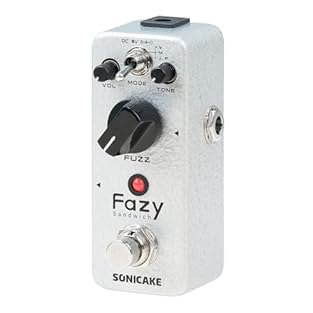
A fuzz pedal is one of the earliest and most aggressive forms of distortion, turning your clean guitar signal into a thick, saturated wall of sound. It works by clipping the waveform almost flat, creating a compressed, gritty tone full of harmonic overtones. The result is raw, unruly, and unmistakable — from the sputtering breakup of vintage germanium circuits to the searing sustain of modern silicon designs. Fuzz pedals react strongly to your guitar’s volume and pickup choice, making them dynamic tools for expressive players.
Whether you’re chasing the classic tones of Hendrix and the Smashing Pumpkins or exploring heavy, experimental textures, fuzz remains a favourite for its personality and unpredictability. It can sound smooth and sustaining, or wild and velcro-like, depending on how it’s set up. A good fuzz pedal cuts through the mix while adding thickness and attitude, turning any riff or lead line into something bold and unmistakably alive.
This is brand new, fresh in, and a UK warranty is included. New Gear always comes from trusted UK music retailers.
Used pedals bring character, value, and often a bit of history to your board. Whether it’s a well-loved classic or a recent release looking for its next home, a used pedal offers the same core tone at a more accessible price. Fully tested and described clearly, it’s a chance to grab great gear without paying brand-new money.
Go used to explore different sounds, track down discontinued favourites, or build your setup more affordably. Sometimes a pedal with a few marks on the casing still delivers flawless tone — and might even have a story or two behind it.
Volume pedals control the output level of a guitar signal using a foot-operated treadle. They allow smooth volume swells, dynamic control during playing, and easy muting between songs. Volume pedals can be placed at different points in the signal chain to either control overall loudness or adjust gain and drive behaviour when positioned before distortion or overdrive pedals.