Brand
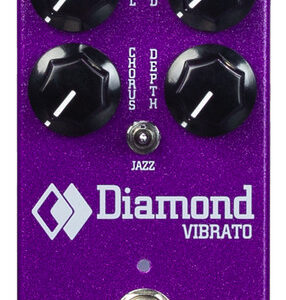
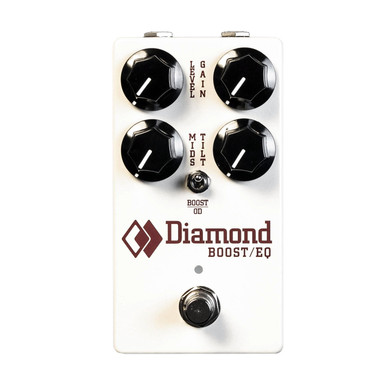
Diamond is a Canadian company recognized for its high-quality guitar amplifiers, effects pedals, and professional audio equipment. Founded by Jeff Diamant in 1993, Diamond Amplification has earned a reputation for its commitment to excellence, craftsmanship, and innovation in the music industry.
Diamond’s amplifiers are renowned for their exceptional sound quality, durability, and versatility, catering to the needs of professional musicians and recording engineers. The company offers a range of amplifier models, including both tube and solid-state designs, known for their pristine cleans, rich overdriven tones, and powerful performance capabilities.
In addition to amplifiers, Diamond also produces a variety of effects pedals designed to complement and enhance the tone of electric guitars and basses. These pedals feature robust construction, intuitive controls, and premium components, providing musicians with reliable tools for shaping their sound.
Diamond’s commitment to quality extends beyond their products to their customer service and support. The company prioritizes customer satisfaction, offering personalized assistance and expertise to help musicians find the perfect gear for their needs.
Overall, Diamond has established itself as a respected name in the music industry, known for its dedication to craftsmanship, innovation, and sonic excellence. Whether in the studio, on stage, or in the practice room, Diamond gear is trusted by musicians around the world to deliver professional-grade performance and tone.
Category
Tags
A compressor pedal evens out your dynamics, smoothing peaks and lifting quieter notes so everything feels tighter and more controlled. It adds sustain, clarity, and balance — making clean chords ring longer, country licks snap with precision, and funk rhythms pop with consistency. Subtle or pronounced, compression shapes the feel of your playing as much as the sound.
Use it at the front of your chain to tighten your core tone, add sustain to leads, or keep complex passages sitting neatly in the mix. From gentle polish to unmistakable squash, a compressor is one of those foundational tools that quietly makes everything sound more professional and dialled in.
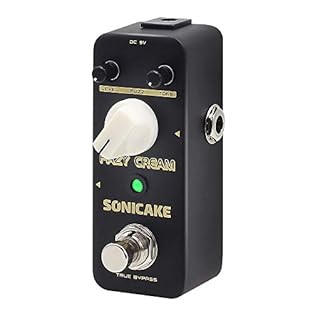
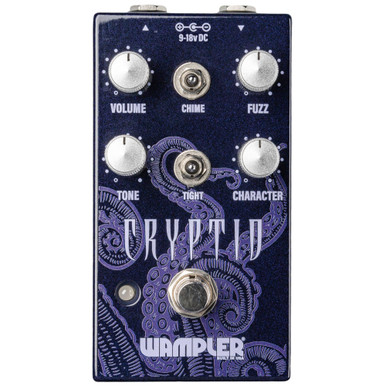
A fuzz pedal is one of the earliest and most aggressive forms of distortion, turning your clean guitar signal into a thick, saturated wall of sound. It works by clipping the waveform almost flat, creating a compressed, gritty tone full of harmonic overtones. The result is raw, unruly, and unmistakable — from the sputtering breakup of vintage germanium circuits to the searing sustain of modern silicon designs. Fuzz pedals react strongly to your guitar’s volume and pickup choice, making them dynamic tools for expressive players.
Whether you’re chasing the classic tones of Hendrix and the Smashing Pumpkins or exploring heavy, experimental textures, fuzz remains a favourite for its personality and unpredictability. It can sound smooth and sustaining, or wild and velcro-like, depending on how it’s set up. A good fuzz pedal cuts through the mix while adding thickness and attitude, turning any riff or lead line into something bold and unmistakably alive.
This is brand new, fresh in, and a UK warranty is included. New Gear always comes from trusted UK music retailers.
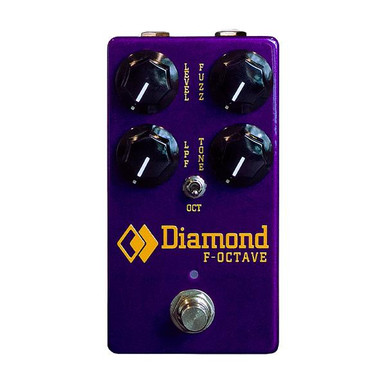
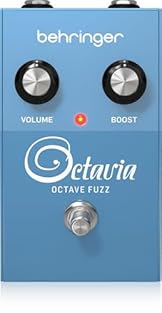
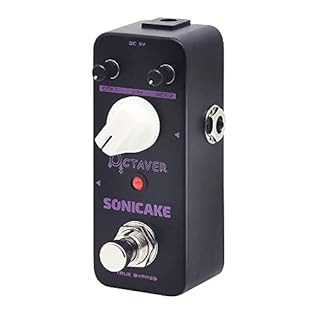
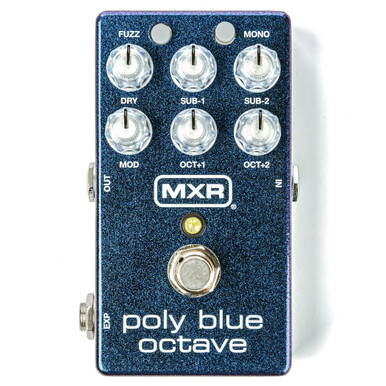
An octave pedal shifts your guitar signal up or down by one or more octaves, blending the altered pitch with your original sound to create a fuller, more complex tone. It can add a deep, bass-like layer underneath your playing or a shimmering high octave on top for lead lines and solos. Classic analogue octave pedals often produce slightly gritty, organic sounds, while modern digital versions track more precisely and can offer multiple octave ranges.
Octave pedals are great for thickening single-note riffs, creating synth-style textures, or even mimicking bass parts when playing alone. They pair well with fuzz or overdrive pedals for massive, harmonically rich tones. Whether you’re after vintage Hendrix-style octave fuzz or a modern polyphonic sound that tracks chords cleanly, an octave pedal opens up a world of creative possibilities and adds real weight and character to your tone.
Pitch pedals alter the frequency of your guitar signal, changing the perceived note or adding harmony. They can shift notes up or down by fixed intervals, create harmonies, or produce dive-bomb and whammy-style effects without a tremolo arm. Pitch shifters and harmonisers are great for thickening solos, simulating multiple guitars, or experimenting with creative, otherworldly sounds that expand your tonal range.
A synth pedal transforms your guitar signal into rich, layered tones that mimic the sounds of a synthesiser. Using pitch tracking and waveform generation, it can produce everything from deep bass lines to shimmering pads and futuristic leads. Synth pedals open up a wide creative range, blending the expressiveness of guitar playing with electronic textures, making them ideal for experimental sounds, ambient music, or adding a modern edge to classic riffs.
Used pedals bring character, value, and often a bit of history to your board. Whether it’s a well-loved classic or a recent release looking for its next home, a used pedal offers the same core tone at a more accessible price. Fully tested and described clearly, it’s a chance to grab great gear without paying brand-new money.
Go used to explore different sounds, track down discontinued favourites, or build your setup more affordably. Sometimes a pedal with a few marks on the casing still delivers flawless tone — and might even have a story or two behind it.
Volume pedals control the output level of a guitar signal using a foot-operated treadle. They allow smooth volume swells, dynamic control during playing, and easy muting between songs. Volume pedals can be placed at different points in the signal chain to either control overall loudness or adjust gain and drive behaviour when positioned before distortion or overdrive pedals.