Universal Audio UAFX Heavenly Plate Reverb Pedal

£153.00

Also available on — Gear4music, Andertons, Reverb, Amazon, eBay

This is a real tasty delay. A solid eq and delay it stands out amongst other Guitar Pedals on the menu. Universal Audio make great Guitar Pedals, so If you like eq then this Universal Audio UAFX Heavenly Plate Reverb Pedal is the perfect delay to order in. Read More details Below.


Description

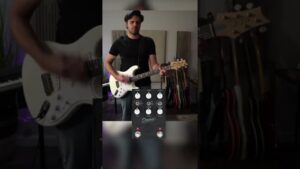
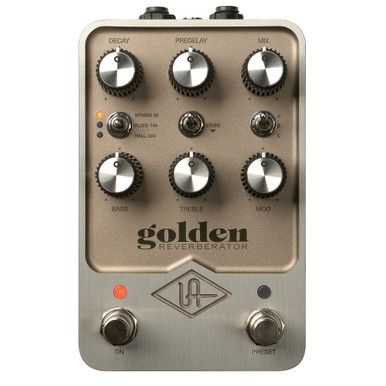
This is a real tasty delay. A solid eq and delay that stands out amongst other Guitar Pedals on the menu. Universal Audio make great Guitar Pedals, so If you like eq, then a Universal Audio UAFX Heavenly Plate Reverb Pedal is the perfect delay to order in. The Universal Audio UAFX Heavenly Plate Reverb Pedal is a guitar effects pedal that brings the magic of classic 50s studio plate reverbs right to your pedalboard. This compact stompbox faithfully recreates the haunting ambience found on countless hit records from that era. Drawing inspiration from the award-winning Golden Reverberator the Heavenly Plate Reverb pedal captures the rich and immersive textures of 1950s German-made studio plate reverbs. It delivers an authentic haunting and moody sound that outshines other “plate effect” pedals on the market. With three uniquely voiced plate settings namely Vintage Bright Vintage Dark and Modern Full you can easily dial in the perfect shimmer tonality and dimension for your sound. The pedal also features intuitive controls for Pre-delay EQ Mod and Rate allowing for effortless effect sculpting. Designed to stand the test of time the Heavenly Plate Reverb pedal is built to withstand the rigours of the stage and studio. It comes equipped with switchable true/trails bypass and analogue dry through functionalities ensuring that your plate effects sound divine and will last a lifetime. LIMITED OFFER: Until March 31st UA are giving customers who purchase this product the UAD Guitar Amp Bundle – absolutely free. For full details see below.

Brand

Universal Audio

Category

Universal Audio

Tags

Delay

A delay pedal records your signal and plays it back after a set time, creating echoes that can range from tight, slapback repeats to long, atmospheric trails. It’s one of the most versatile effects, used to thicken tones, add rhythmic depth, or build spacious, ambient layers. Analogue delays offer warm, decaying repeats that blend naturally with your tone, while digital units provide pristine echoes with precise control over time, feedback, and mix levels.

From classic rockabilly and tape-style echoes to modern looping and shimmer effects, delay pedals have become essential tools for shaping sound. They can make solos soar, rhythms pulse, or transform simple chord progressions into cinematic textures. Whether used subtly to add dimension or boldly to create soundscapes, a good delay pedal can completely redefine the feel and atmosphere of your music.

EQ

While Ed Sheeran primarily relies on the natural sound of his acoustic guitar and vocals, he occasionally uses EQ (Equalization) to shape and enhance his tone during live performances or in the studio. EQ pedals or onboard preamps can allow him to adjust the frequency response of his guitar signal to suit the acoustics of different venues or to achieve specific tonal characteristics. Here’s how EQ might be utilized in Ed Sheeran’s setup:

1. **Tonal Shaping**: EQ can be used to adjust the balance of frequencies in the guitar signal, allowing Ed Sheeran to shape his tone to his liking. For example, he might boost the midrange frequencies to bring out the warmth and presence of his acoustic guitar, or cut certain frequencies to reduce any harshness or mud in the sound.

2. **Feedback Control**: In a live setting, EQ can help control feedback by notching out problematic frequencies that might cause the guitar signal to feed back through the amplification system. This can be particularly useful when performing in venues with challenging acoustics or high volume levels.

3. **Room Correction**: In situations where the venue’s acoustics are less than ideal, EQ can be used to compensate for any deficiencies in the sound. By adjusting the EQ settings, Ed Sheeran can tailor the guitar tone to sound more balanced and natural, regardless of the room’s acoustic properties.

4. **Matching Gear**: EQ can also be used to match the tone of Ed Sheeran’s guitar to the sound of other instruments or equipment in his setup. For example, he might adjust the EQ to complement the tonal characteristics of his vocal microphone or to blend seamlessly with backing tracks or other instruments.

Overall, while EQ may not be a central component of Ed Sheeran’s guitar effects setup, it can still play a valuable role in shaping his tone and ensuring that he achieves the desired sound in different performance environments. Whether used subtly for tonal shaping or more aggressively for feedback control, EQ allows Ed Sheeran to tailor his guitar tone to suit his musical vision and performance needs.

Guitar Effects Pedals

Guitar Pedals

Your pedal is like a signature dish for your sound — a flavour-packed creation that transforms the bland ingredients of your guitar into something unforgettable. Each one adds its own seasoning, texture, and heat, turning a simple meal into a feast of tone.

These tasty little boxes sit in a row, like plates on a buffet, letting you mix and match flavours as you play. With one tap of your foot, you can swap sweet for spicy, subtle for smoky, and serve up something completely new. From the comfort food of warm overdrive to the fiery kick of fuzz, from smooth jazz sauce to heavy-metal spice, pedals give players a full menu of options to express their taste.  And just like with food, once you’ve tried one dish, you’ll want to sample them all.

Collecting, trading, and discovering new flavours soon becomes part of the joy of being a tone-loving gourmet geek with a guitar.

Reverb

A reverb pedal is like the rich sauce that ties every flavour on the plate into one smooth experience. It adds depth, warmth, and atmosphere — the sonic equivalent of a perfectly reduced glaze that lingers on the tongue. Whether you’re after the subtle ambience of a cosy café (spring or plate reverb) or the grand echoes of a cathedral (hall or shimmer reverb), this is where your tone breathes and expands. A touch of reverb can turn a dry sound into something lush and inviting — but pour on too much, and it’s all you can taste. Used with finesse, it’s the finishing touch that transforms your tone from plain to unforgettable.