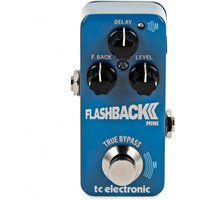
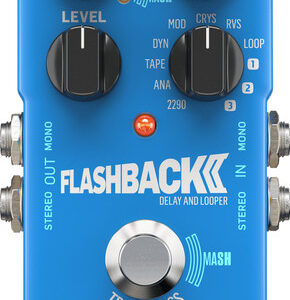
Small but mighty. A delay pedal bursting with features. The TC Electronic Flashback 2 Mini Delay provides excellent clarity and offers controls that feed creativity. The brand new crystal delay works fantastically with the polyphonic Octaver engine for out of this world tones. The next generation to come from the TC Electronic family it has groundbreaking new technology in the form of MASH and tap tempo. This incredible bundle of features all comes in an ultra-small footprint package making the pedal very easy to slide onto your pedalboard. The Flashback Mini 2 sounds unbelievable. But get ready to believe it.
TC Electronic Flashback 2 Mini Delay
£90.00
This is a New TC Electronic Flashback 2 Mini Delay from TC Electronic its found in our Delay Pedals on the Just Pedals menu. Read More below.
View Just TC Electronic
As an affiliate partner, we may earn a small commission when you buy through our links — at no extra cost to you.
Related videos
Brand
TC Electronic
Founded in Denmark in 1976 by brothers Kim and John Rishoj, TC Electronic first made its mark with the Stereo Chorus Flanger (SCF), prized for its transparent modulation. The company later developed the TC 2290 digital delay, a landmark studio processor, and extended its guitar range with compact effects, loopers and TonePrint-enabled pedals. JustPedals listings include the MojoMojo overdrive, Dark Matter distortion, Spark Booster, Ditto X2 looper and Flashback Triple Delay. TC Electronic now covers guitar, bass and voice products, so compare the exact model’s stereo routing, presets and control method.
Category
Delay Pedals
Delay records the incoming signal for a chosen interval and repeats it after the original note. Feedback returns repeats to the delay line, while tone, filtering, modulation and saturation determine whether echoes remain clear, darken progressively, wobble like tape or degrade like analogue bucket-brigade circuits. Delay time and rhythmic subdivisions govern the spacing and musical pattern of the repeats.
Tags
Tap Tempo
Measures repeated foot taps and converts their interval into an effect rate or delay time. Subdivisions translate that pulse into dotted, triplet or other rhythmic values, while averaging and range limits influence how quickly and accurately the tempo settles.
Others Just Ordered :
- I Love A Happy Accident… – Animals Pedal

- Animals Pedal Vintage Van Driving is Very Fun Overdrive

- Animals Pedal Sunday Afternoon Is Infinity Bender

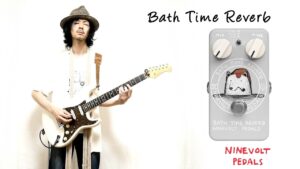
- Ninevolt Pedals | Bath Time Reverb (Animals Pedal)
- This Fuzz Pedal Makes No Sense… But It Sounds Incredible

- ANIME Pedals | Animals Pedal Custom Illustrated Series