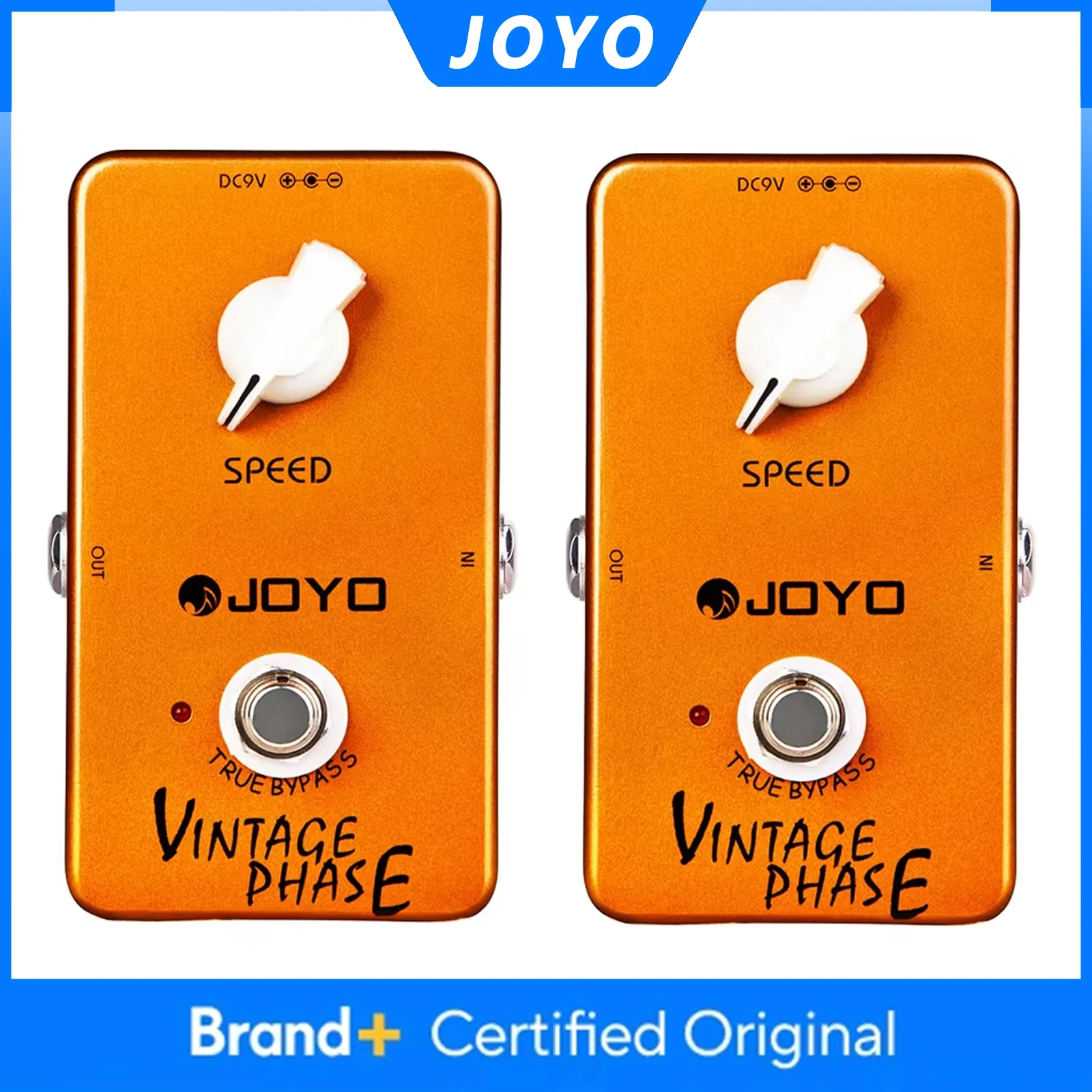
You can rely on Joyo to make great Guitar Pedals. Check out the Joyo JF-06 2Pcs Vintage Phase Pedal 70 s Classic Phaser Sounds Speed Control on JustPedals now. 2Pcs JOYO JF-06 Vintage Phase Electric Guitar Effect Pedal 70’s Classic Phaser Sounds with Speed Control Knob Guitar Accessories
Joyo JF-06 2Pcs Vintage Phase Pedal 70 s Classic Phaser Sounds Speed Control
£59.99
The Joyo JF-06 2Pcs Vintage Phase Pedal 70 s Classic Phaser Sounds Speed Control is new on JustPedals, and instock direct. 2Pcs JOYO JF-06 Vintage Phase Electric Guitar Effect Pedal 70’s Classic Phaser Sounds with Speed Control Knob Guitar Accessories
View Just Joyo
As an affiliate partner, we may earn a small commission when you buy through our links — at no extra cost to you.
Related videos


Brand
Joyo
JOYO Technology is a Shenzhen music-gear company whose range goes well beyond stompboxes. Its official catalogue covers guitar and bass amplifiers, acoustic and busking amps, effects, power supplies, interfaces, wireless systems and accessories. JOYO also says it develops acoustic-core technology and has applied for utility patents. JustPedals listings include the JF-21 Splinter distortion and JF-319 Green Legend overdrive, alongside mini amps and power adapters. That breadth matters when comparing products under the JOYO name: some are effects, while others support the rest of a guitar or bass rig.
Category
Guitar Pedals
Guitar pedals are compact devices placed in the signal path to change level, tone, dynamics, pitch, time, modulation or routing. This broad category includes simple analogue effects, digital processors, switching and utility products, so the most important differences are the circuit function and connection method. Check whether a model expects instrument or line level, how it is powered, whether it preserves bass or stereo information, and how its bypass behaves with the rest of the board.
Phaser Pedals
A phaser splits the signal and shifts the phase of one path through a series of all-pass filter stages. When recombined, moving peaks and notches sweep across the spectrum, creating a rounded swirl rather than the evenly spaced comb filtering of a flanger. Stage count, feedback, centre frequency, rate and depth shape the width, resonance and pulse of the sweep.
Tags
Joyo
Joyo pedals and related effects are commonly used by guitarists looking to shape their tone in a more focused and creative way. Different designs offer their own response, feel and tonal character depending on the style of music and the type of amplifier or guitar being used.
Many players build pedalboards gradually over time, combining different effects and utilities to create a setup that suits their own sound and workflow. Joyo related gear can play an important role in both live performance and studio recording.
Phaser
Creates moving peaks and notches by phase-shifting a parallel signal through all-pass filter stages and recombining it with the dry path. Stage count, feedback, centre frequency, rate and depth determine the breadth, resonance and pulse of the sweep.
Others Just Ordered :
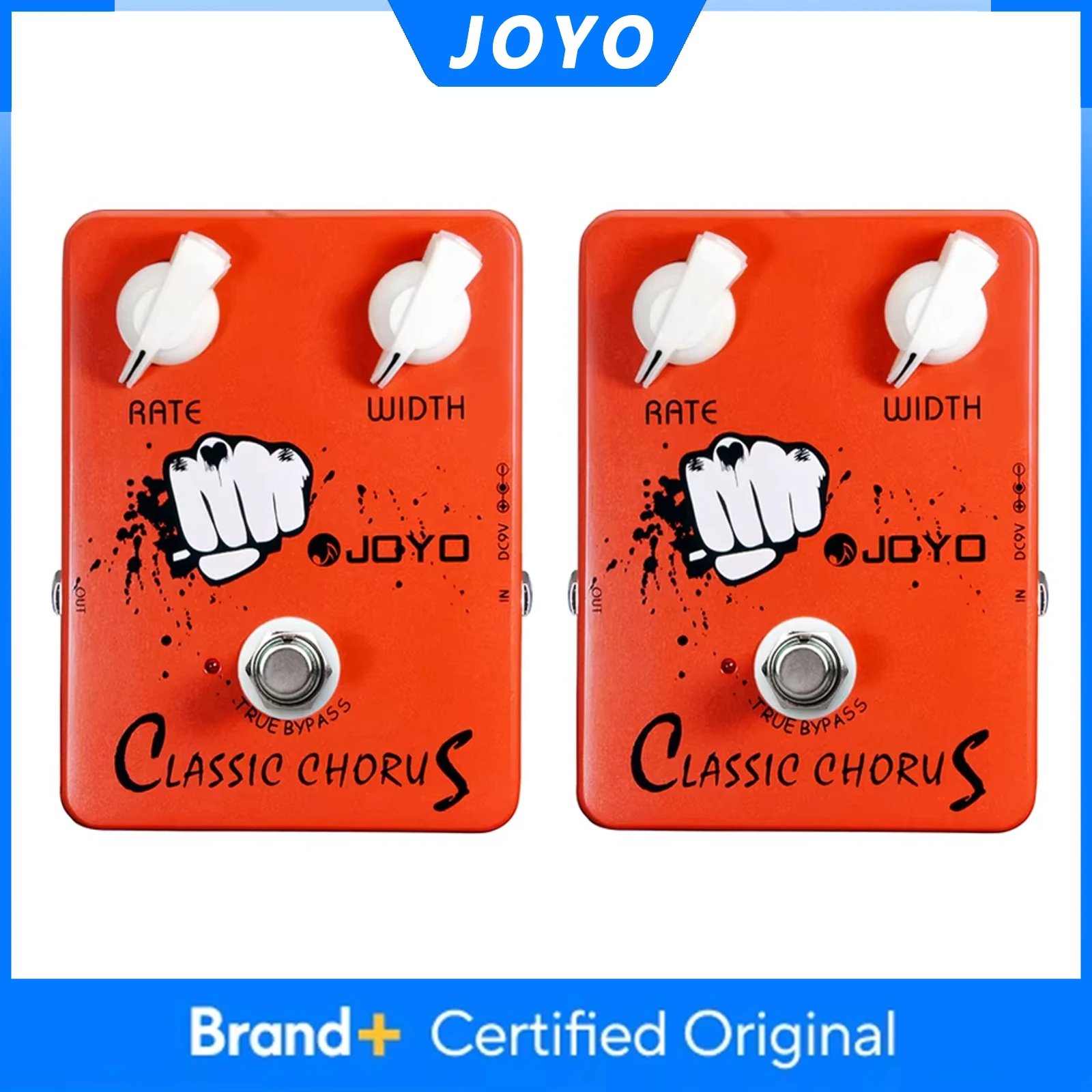 Joyo JF-05 2Pcs Classic Chorus Pedal True Bypass Sweet Digital Piano Sound Modulation
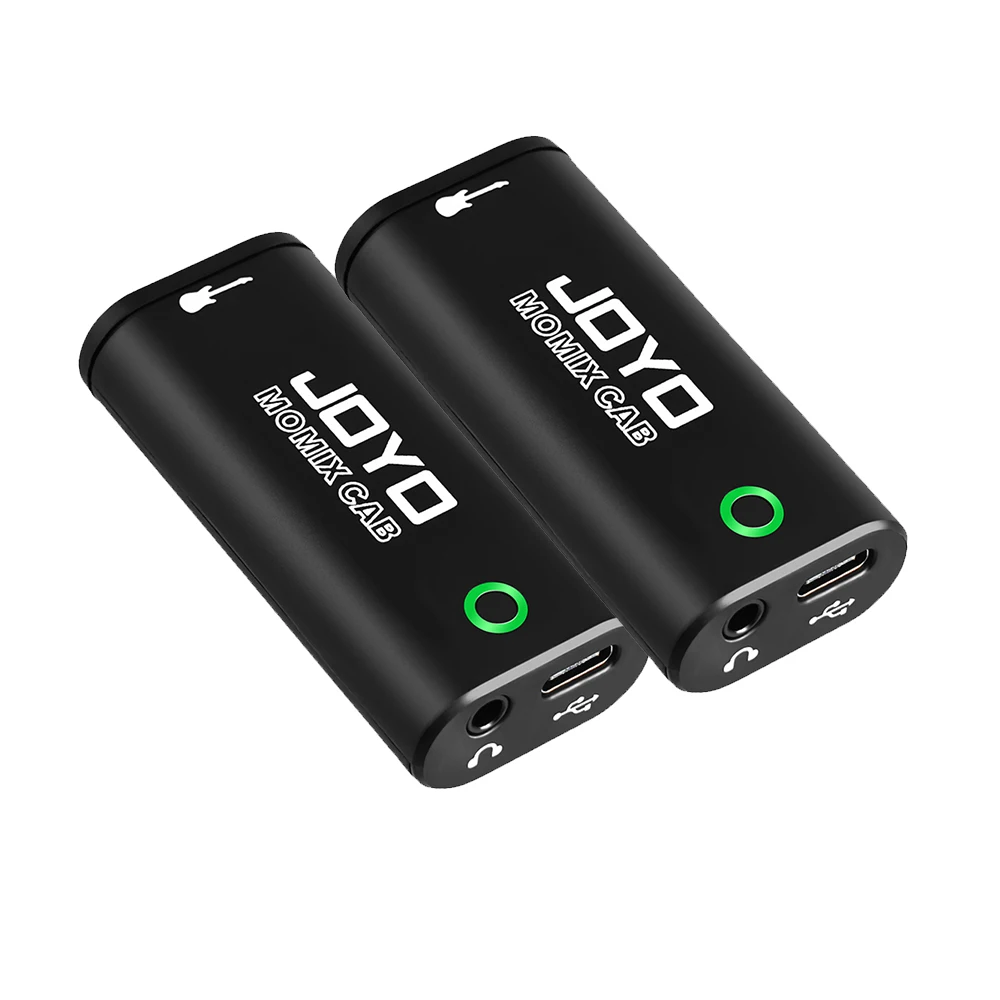 Joyo 2PCS MOMIX CAB Portable Pocket USB Sound Card Recording Live Streaming Parts
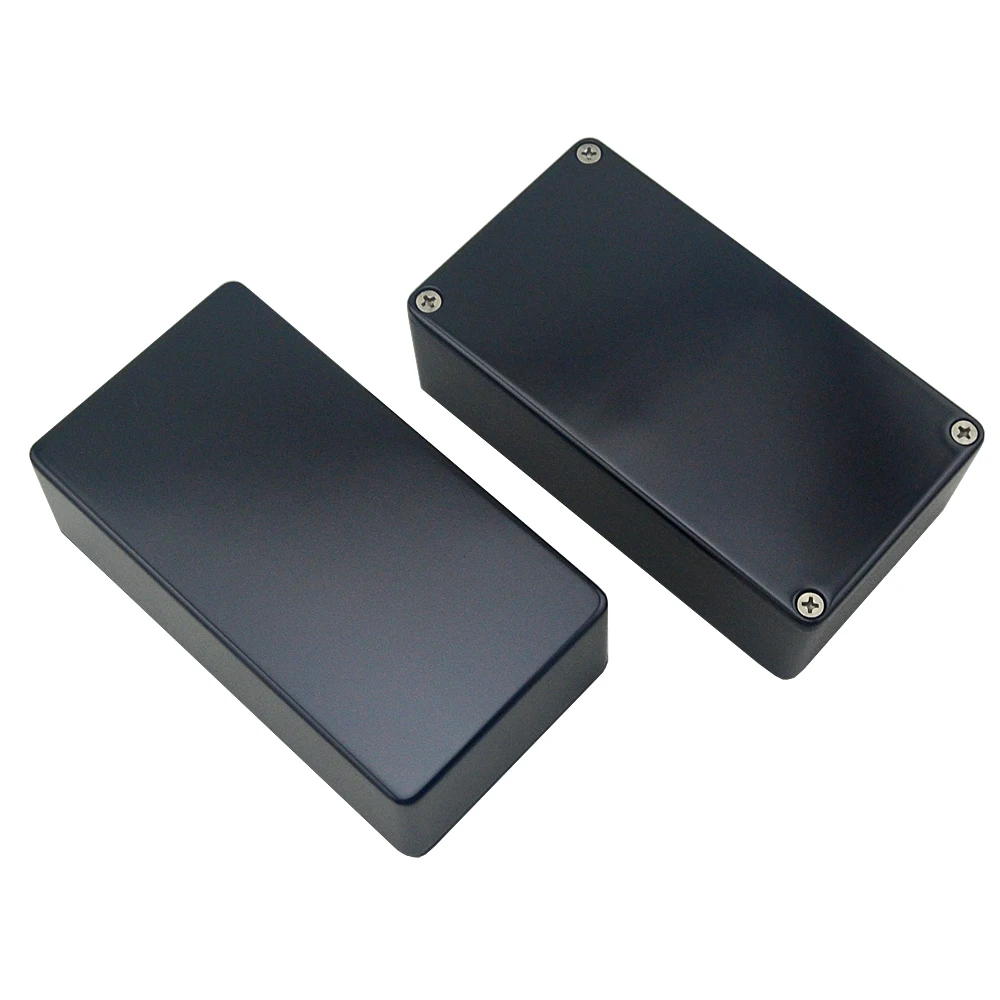 2PCS LANDTONE 1590N1/125B Black Diecast Aluminium Enclosure for DIY Guitar Effect Pedal Kits
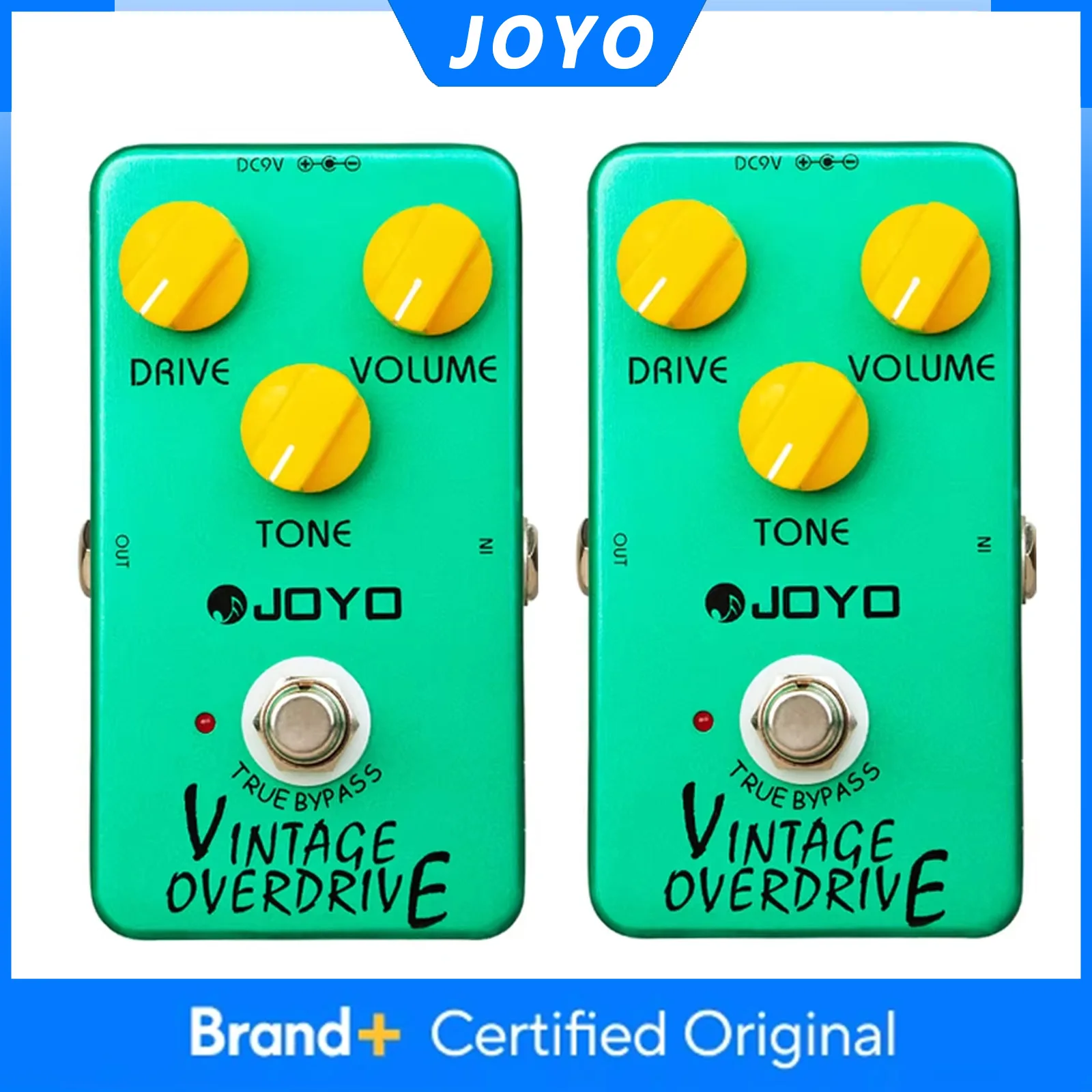 Joyo JF-01 2Pcs Vintage Overdrive Pedal Warm Mild Smooth Overdrive Tone Pedal Sustain
- I Love A Happy Accident… – Animals Pedal

- Animals Pedal Vintage Van Driving is Very Fun Overdrive
- Animals Pedal Sunday Afternoon Is Infinity Bender
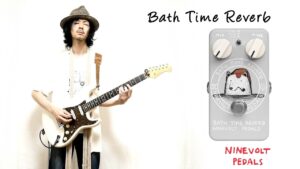
- Ninevolt Pedals | Bath Time Reverb (Animals Pedal)
- This Fuzz Pedal Makes No Sense… But It Sounds Incredible

- ANIME Pedals | Animals Pedal Custom Illustrated Series