
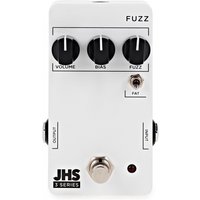
A sound that cuts through the mix with a vengeance. That is exactly what the JHS 3 Series Fuzz pedal provides. Play with a face-crumpling head-banging tone because you know your inner rock star wants to escape. With this pedal there is nothing stopping you. Whether you want a vintage Hendrix-style sound or a more modern fuzz you can achieve it with brilliant power and versatility. And in an incredibly affordable package – you cant go wrong. The simplicity of the design means you are not inundated with various controls resulting in a stress-free performance. But this does not equate to a simplicity in sound. Each control has a huge impact on the tone you project so you can adjust each dial carefully until you have a sound that is well and truly yours. This fuzz pedal along with others in the 3 Series is a demonstration of intricate design attention to detail and high-quality construction whilst also being inexpensive. This makes it ideal for experienced guitar players and those who are just starting out. So whether you are an amateur or professional dont sacrifice excellence for a cheaper option. The 3 Series Fuzz pedal gives you the best fuzz sound at price which belies its quality.
JHS Pedals 3 Series Fuzz
This is a New JHS Pedals 3 Series Fuzz from JHS Pedals its found in our Fuzz Pedals on the Just Pedals menu. Read More below.
As an affiliate partner, we may earn a small commission when you buy through our links — at no extra cost to you.
Related videos

Brand
JHS Pedals
JHS Pedals grew from Josh Scott’s pedal-modification work in 2007 into a Kansas City effects maker. Scott’s first original designs followed in 2008; the Morning Glory began as his reinvention of the Marshall Bluesbreaker. The JustPedals catalogue carries the Morning Glory V4 and Muffuletta, along with practical tools such as the Little Black Buffer, Buffered Splitter and Little Black Amp Box. JHS describes its guitar pedals as made in Kansas City, USA. The range mixes original drive and fuzz designs with utility pedals, so the current listings show more than a single “boutique overdrive” identity.
Category
Fuzz Pedals
Fuzz drives the signal into extreme clipping, often flattening the waveform and generating a thick spectrum of harmonics. Transistor type, bias, input loading and tone filtering create markedly different responses, from loose and velvety to gated, spluttering or octave-rich. Some circuits interact strongly with pickup impedance and guitar volume, while others include buffers or blends for a more consistent response.
Others Just Ordered :
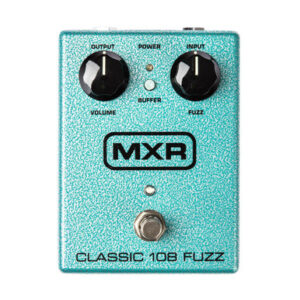
- I Love A Happy Accident… – Animals Pedal

- Animals Pedal Vintage Van Driving is Very Fun Overdrive
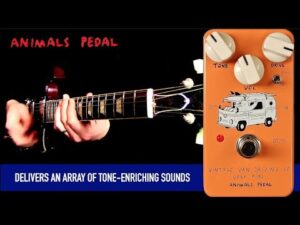
- Animals Pedal Sunday Afternoon Is Infinity Bender
- Ninevolt Pedals | Bath Time Reverb (Animals Pedal)
- This Fuzz Pedal Makes No Sense… But It Sounds Incredible

- ANIME Pedals | Animals Pedal Custom Illustrated Series