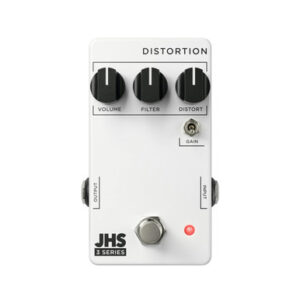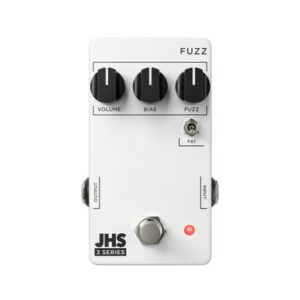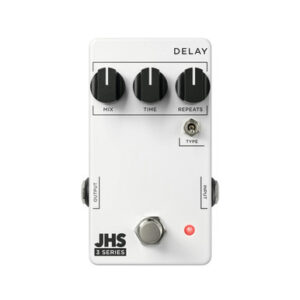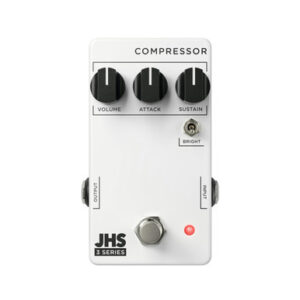
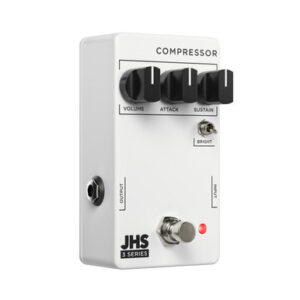
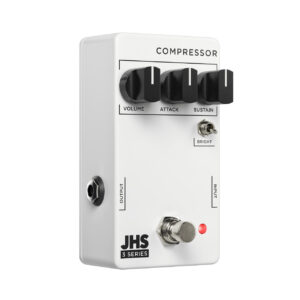
JHS 3 Series Compressor Pedal

£89.99

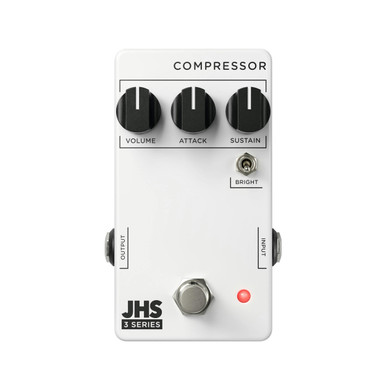
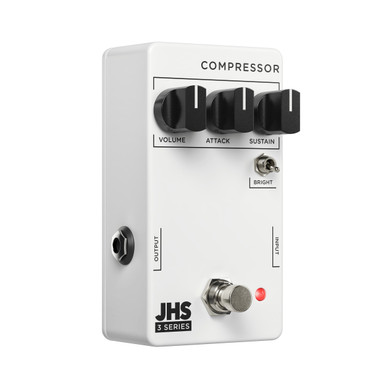
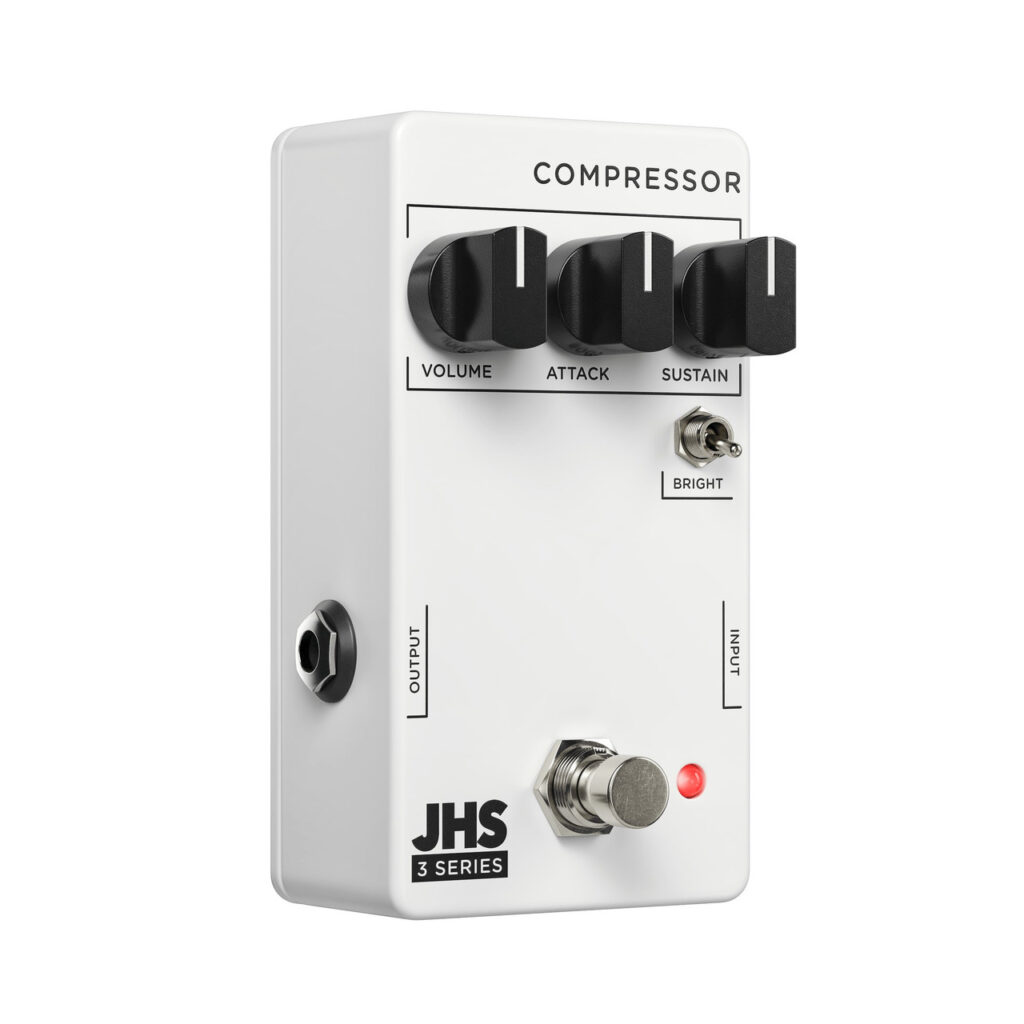
This is a New JHS 3 Series Compressor Pedal from JHS Pedals, listed in Compressor Pedals on Just Pedals. Read More below.

View Just
more

JHS Pedals are renowned for tonal excellence. Their premium stompboxes are packed full of gizmos galore and options aplenty – but they’ve taken a very different approach with the 3 Series Compressor. These affordable effects have been stripped back for pure, unadulterated JHS tone suited to both beginners and pros alike.

Raw JHS Pedals tone

Gone are the array of dials found throughout the standard JHS pedal line-up. What you’re getting here is a refined, quality sound thanks to high-end electronic components and meticulous attention to detail from the Kansas City company. This is the ultimate plug-and-play pedal.

Sound

Compression just makes everything sound better. It squishes guitar frequencies into a more compact width and levels out the volume on your playing, giving you a consistent, balanced tone. Use the attack and sustain dials to set your tone to the perfect dynamic range.

Unique to the 3 Series Compressor is a bright toggle, which engages a livelier EQ and ensures your tone doesn’t lose its magic sparkle..
Related videos

Brand

JHS Pedals

In the current JustPedals catalogue, JHS Pedals is represented by Overdrive Pedals, Distortion Pedals and Delay Pedals. Current listings include Switchback, Mute Switch and Summing Amp. That makes the range relevant to players looking for drive, gain and clipping, plus time-based effects and ambience. Check each model for its exact circuit or processing platform, controls, power requirements and connections, particularly where the catalogue includes both pedals and supporting gear.

Category

Compressor Pedals

Compression reduces the difference between louder and quieter parts of the signal. It can restrain peaks, lift decaying notes and make picking feel more even, but strong settings also change the attack and add audible sustain or pumping. Threshold, ratio, attack, release and blend determine when gain reduction begins, how firmly it acts and how much natural transient detail remains.