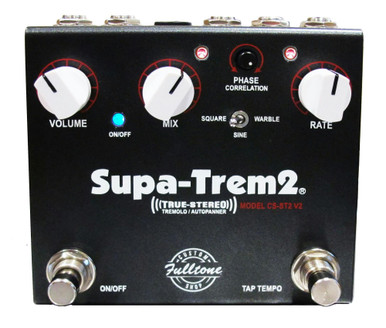
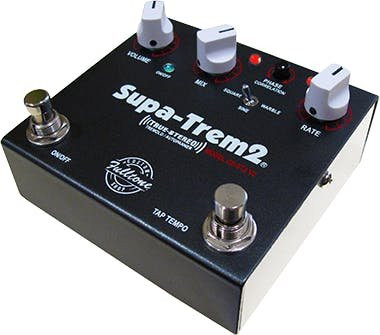
Brand
Fulltone is a boutique guitar effects pedal manufacturer known for its high-quality, hand-built pedals designed to replicate vintage tones while incorporating modern features and reliability. Founded by musician and engineer Michael Fuller in 1991, Fulltone initially gained recognition with its flagship product, the Full-Drive overdrive pedal, which offered players a versatile range of overdriven tones inspired by classic tube amplifiers.
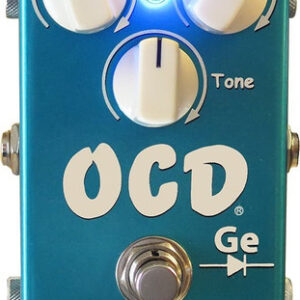
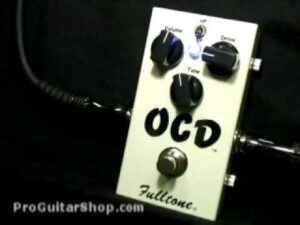
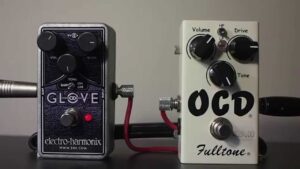
Since then, Fulltone has expanded its product line to include a variety of effects pedals such as fuzz, distortion, delay, modulation, and more. Each Fulltone pedal is meticulously crafted using top-quality components and circuit designs, resulting in pedals that are celebrated for their rich sound, responsiveness, and durability. Notable offerings include the OCD (Obsessive Compulsive Drive) overdrive/distortion pedal, the ’69 fuzz, and the TTE (Tube Tape Echo) tape echo emulator.
Fulltone’s commitment to excellence and its dedication to preserving the sonic legacy of vintage gear have made it a favorite among discerning guitarists and musicians seeking premium effects pedals. With a reputation for delivering exceptional tone and craftsmanship, Fulltone continues to be a prominent player in the boutique pedal market.
Category
Tags
A boost pedal does one simple thing brilliantly — it makes your signal louder, stronger, and more alive. Whether you’re pushing a valve amp into natural breakup, lifting a solo above the band, or adding a touch more presence to your core tone, a clean boost gives you extra headroom without changing your character.
Use it at the front of your chain to drive other pedals harder, or after your gain stages to raise volume without adding distortion. Subtle or powerful, transparent or slightly coloured, a boost is one of the most useful tools on any pedalboard — small box, big difference.
A chorus pedal thickens and widens your tone by subtly duplicating your signal and shifting it slightly out of tune and time. The result is movement — shimmering cleans, liquid arpeggios, and that unmistakable 80s swirl that makes single notes feel fuller and chords sound expansive. From gentle sparkle to deep, watery modulation, chorus adds dimension without overwhelming your core sound.
Use it to bring life to clean passages, soften driven tones, or create spacious textures that sit beautifully in a band mix. Whether you’re after subtle depth or bold, warbling character, a chorus pedal is a simple way to make your guitar sound bigger, richer, and more immersive.
A flanger is a type of guitar effects pedal used to create a swirling, whooshing sound by modulating the phase of an audio signal. It works by combining the original signal with a slightly delayed and modulated version of itself. As the two signals interact, they create peaks and troughs in the frequency spectrum, resulting in the characteristic “jet plane” or “swooshing” sound associated with flanging.
Key features of a flanger pedal include:
1. **Rate**: Controls the speed at which the delayed signal is modulated. Higher rates produce faster modulation, while lower rates create slower, more subtle effects.
2. **Depth**: Adjusts the intensity of the modulation effect. Higher depth settings result in more pronounced sweeps, while lower settings produce a gentler effect.
3. **Manual (or Range)**: Sets the center frequency of the modulation. This control allows you to focus the effect on specific frequency ranges, altering the tonal character of the flanging.
4. **Feedback (or Regeneration)**: Determines the amount of modulated signal that is fed back into the effect. Increasing feedback can create more pronounced peaks and troughs, resulting in a more intense effect.
Flanger pedals are commonly used in various music genres, including rock, metal, and psychedelic music, to add movement, depth, and texture to guitar tones. They can be used subtly to add a touch of modulation and dimension to a guitar sound, or more prominently to create dramatic swirling effects. Overall, flanger pedals offer guitarists a versatile tool for shaping and enhancing their tone, adding a dynamic and expressive element to their playing.
This is brand new, fresh in, and a UK warranty is included. New Gear always comes from trusted UK music retailers.
Rotary pedals recreate the swirling, moving sound of a rotating speaker cabinet, adding rich modulation and a sense of motion to guitar tones. They typically simulate the changing pitch and volume caused by spinning speakers, producing anything from subtle shimmer to deep, pulsating swirl. Rotary effects are often used for clean and lightly driven sounds to add depth, movement, and a classic, organ-inspired character.
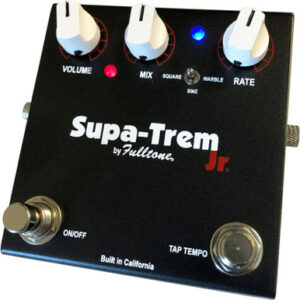
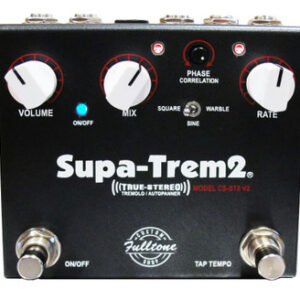
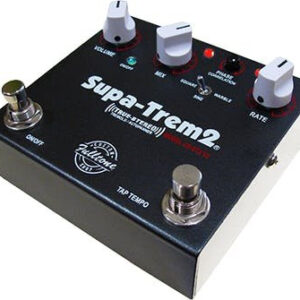
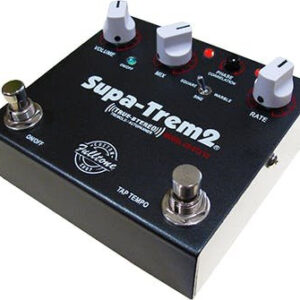
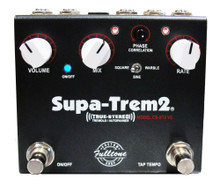
A tremolo pedal modulates the volume of your guitar signal up and down in a rhythmic pattern, creating a pulsing or wavering effect that can sound vintage and hypnotic or sharp and choppy depending on the settings. It’s one of the oldest effects in guitar history, famously used on classic amps from the 1950s and ’60s.
Most tremolo pedals let you control the speed, depth, and wave shape, allowing you to go from smooth, subtle swells to intense stuttering tones. It’s a simple but expressive effect that adds movement and character to your sound.
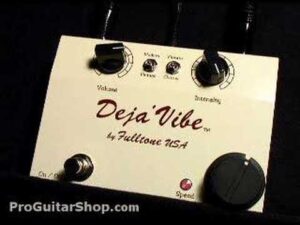
A vibe pedal delivers that unmistakable swirling, pulsing modulation inspired by classic late-60s tones. It blends elements of chorus and phase into a deep, throbby movement that feels organic and three-dimensional under your fingers. From subtle shimmer to full psychedelic swirl, vibe adds motion without losing the core of your sound.
Use it to bring warmth and texture to clean chords, add movement to sustained leads, or capture that rich, expressive wobble heard on countless vintage recordings. Smooth, hypnotic, and full of character, a vibe pedal turns simple phrases into something far more atmospheric and alive.
Volume pedals control the output level of a guitar signal using a foot-operated treadle. They allow smooth volume swells, dynamic control during playing, and easy muting between songs. Volume pedals can be placed at different points in the signal chain to either control overall loudness or adjust gain and drive behaviour when positioned before distortion or overdrive pedals.