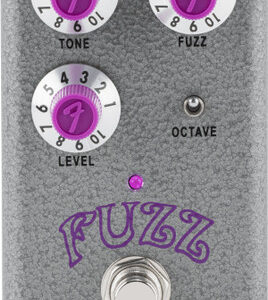
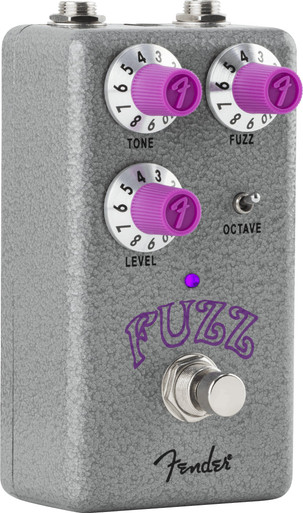
Fender Hammertone Fuzz Pedal

£69.99

This is a New Fender Hammertone Fuzz Pedal from Fender, listed in Fuzz Pedals on Just Pedals. Read More below.

View Just
more

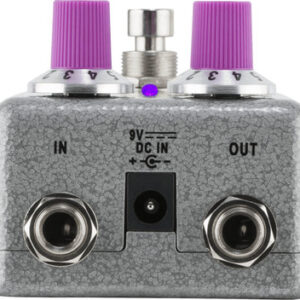
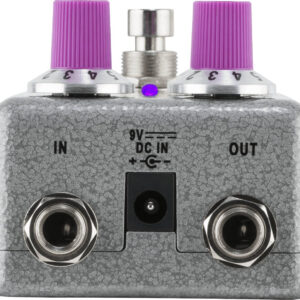
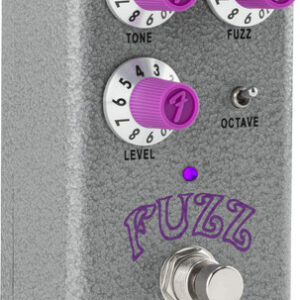
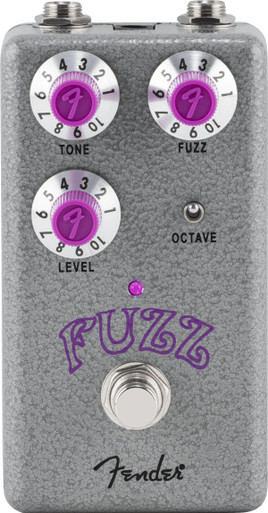
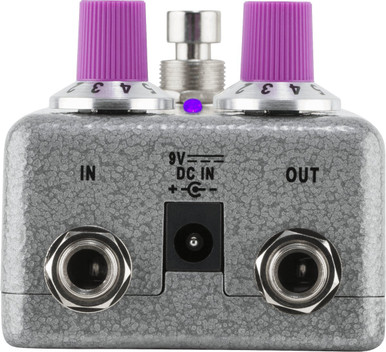
Fender's new Hammertone range of pedals is their latest and most affordable pedal series to date. Spanning a range a classic effects, Hammertone pedals feature true-bypass switching, top-mounted jacks and witch-hat-style chrome-rimmed control knobs for an authentic Fender experience.

The Hammertone Fuzz captures the chewy, horn-like fuzz sounds heard on some of Rock 'n' Roll's most iconic recordings. The Fender-designed circuit features two silicon diodes allowing you to recreate the legendary sounds of the ‘60s & ‘70s. With simple controls for tone, fuzz and level, as well as an octave-fuzz switch, the Hammertone Fuzz is packed full of thick, fuzzy goodness, giving you the tools to forge your own tone!

Key Features

  • Fender®-Designed Fuzz Circuit
  • Optional Octave-Fuzz Switch
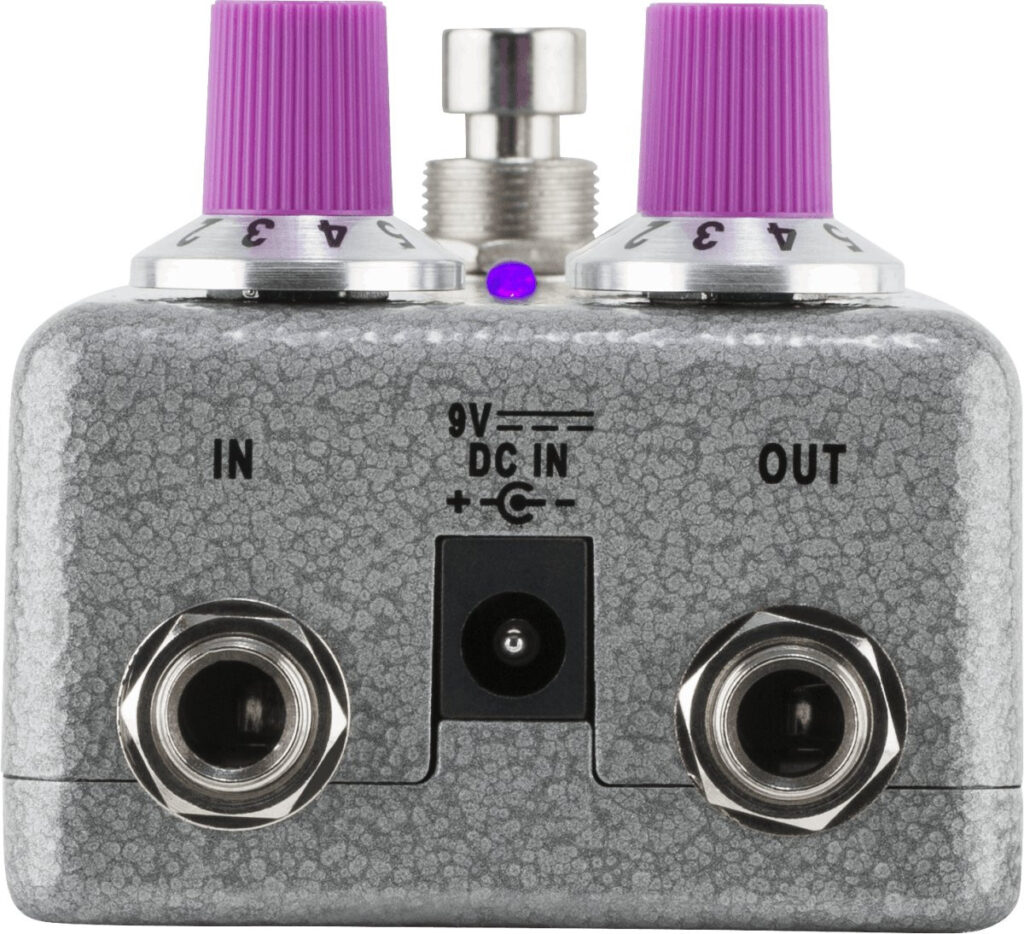
  • Top Mount Input/Output Jacks
  • True-Bypass Switching
  • 9v Power Supply or Battery

Specifications

  • Input Impedance: 500k ohm
  • Output Impedance: 5k ohm (max)
  • Power Consumption: 15mA
  • Power Requirements: 9-Volt Centre Negative AC Adaptor (Not Included)
Related videos

Brand

Fender

Fender’s effects line draws on the company’s Southern California instrument-and-amplifier history. The all-original pedal range Fender introduced in the late 2010s was designed in Southern California with input from gigging and studio musicians. JustPedals listings include The Bends compressor, Marine Layer reverb, Pugilist distortion, Tre-Verb and Smolder Acoustic Overdrive. That range connects familiar Fender amplifier sounds with dedicated stompboxes, while also covering bass and acoustic applications. The brand name does not indicate where every model was manufactured; compare each pedal’s controls, routing and model-specific specifications.

Category

Fuzz Pedals

Fuzz drives the signal into extreme clipping, often flattening the waveform and generating a thick spectrum of harmonics. Transistor type, bias, input loading and tone filtering create markedly different responses, from loose and velvety to gated, spluttering or octave-rich. Some circuits interact strongly with pickup impedance and guitar volume, while others include buffers or blends for a more consistent response.