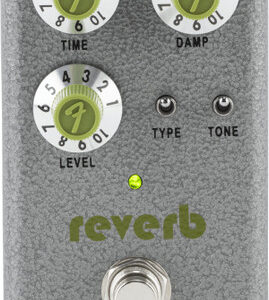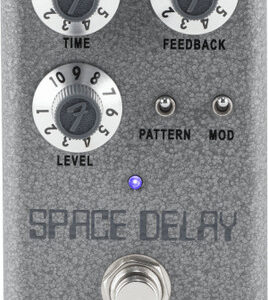
Fender Hammertone Delay Pedal

£84.99

This is a New Fender Hammertone Delay Pedal from Fender, listed in Delay Pedals on Just Pedals. Read More below.

View Just
more
and ,

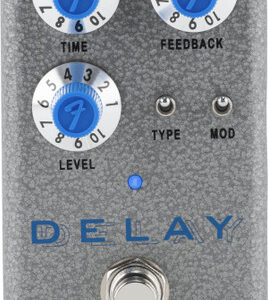
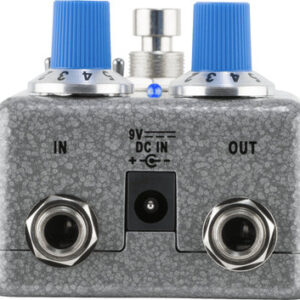
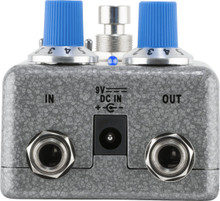
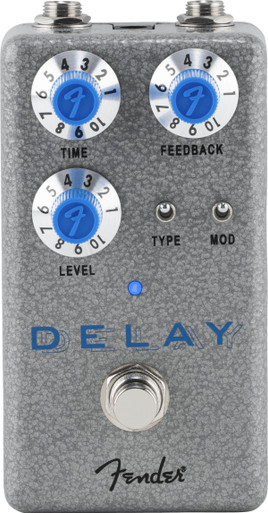
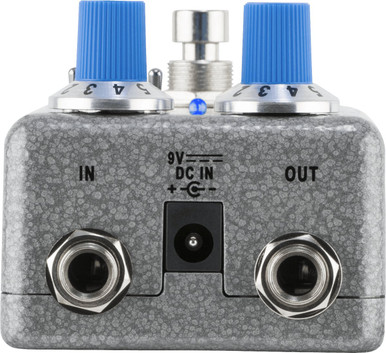
Fender's new Hammertone range of pedals is their latest and most affordable pedal series to date. Spanning a range a classic effects, Hammertone pedals feature true-bypass switching, top-mounted jacks and witch-hat-style chrome-rimmed control knobs for an authentic Fender experience.

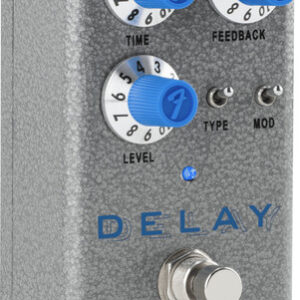
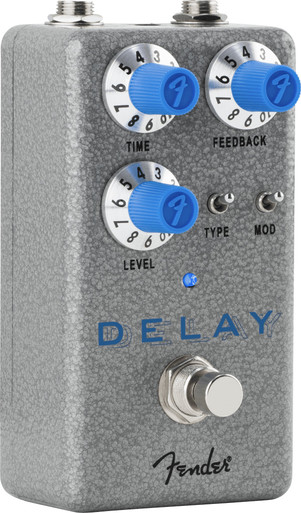
The Hammertone Delay is a versatile delay pedal that delivers everything from clucky country slap backs, surfy swells, rhythmic dotted-eighths and huge ambient washes. Whether you want to create lush walls of sound or simply sweeten up your line lines, the Hammertone Delay does it all! With up to 950ms of delay time on tap, the Hammertone Delay boasts three different delay types. The modulation switch adds some vintage character to your delay trails and an analogue dry-through keeps your tone pure when the effect is engaged. The compact chassis and top-mounted jacks allow for seamless integration into your rig.

Key Features

  • Fender®-designed Digital Delay Circuit
  • Type & Mod Switches
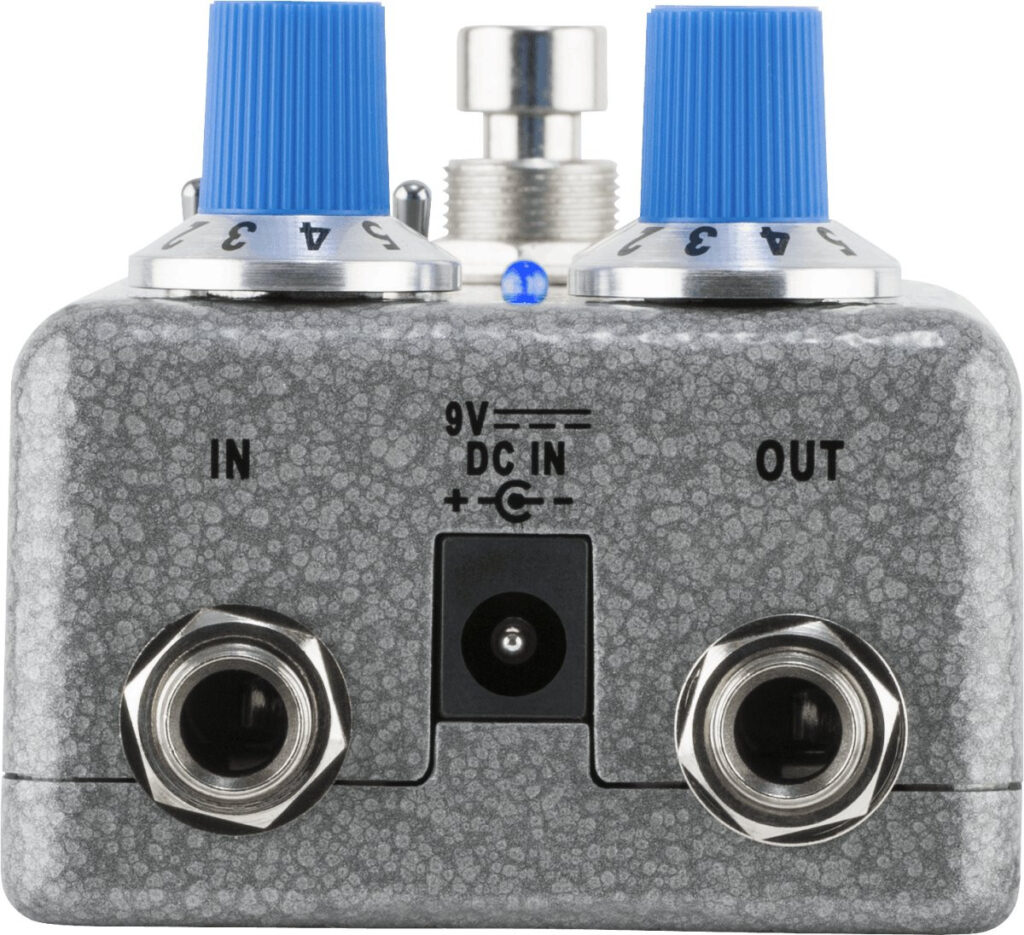
  • Top Mount Input/Output Jacks
  • True-Bypass Switching, Analog Dry-Through

Specifications

  • Input Impedance: 500k ohm
  • Output Impedance: 470 ohm
  • Power Consumption: 80mA
  • Power Requirements: 9-Volt Centre Negative AC Adaptor (Not Included)
Related videos

Brand

Fender

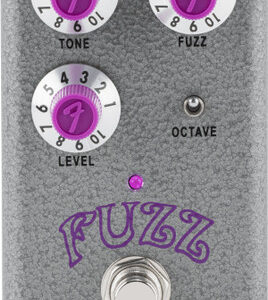
In the current JustPedals catalogue, Fender is represented by Distortion Pedals, Fuzz Pedals and Delay Pedals. Current listings include The Pelt Fuzz, Tone Master Pro and Bassman Fuzz. That makes the range relevant to players looking for drive, gain and clipping, plus time-based effects and ambience. Check each model for its exact circuit or processing platform, controls, power requirements and connections, particularly where the catalogue includes both pedals and supporting gear.

Category

Delay Pedals

Delay pedals repeat the input after a set time, from a short slapback to long ambient trails. Feedback controls how many repeats continue; filtering, modulation, saturation and mix shape their tone and prominence. Tap tempo can keep rhythmic delays aligned with a song, while presets and MIDI help when several timings are needed. Analogue, tape-style and digital designs respond differently to transients and overload. Check maximum delay time, spillover, stereo routing, trails and headroom before choosing a model for the rest of the board.

Tags

Analogue

Analogue products use continuous audio circuitry for some or all of the signal path, so clipping, filtering or modulation arises from physical components rather than sampled algorithms. The label does not guarantee a particular tone; component choice, headroom, bias, noise and the surrounding gain stages still matter. Check whether the switching, presets, control section or cabinet stage is digital when the exact signal path is important.

Digital

Digital products use conversion and processing to create, store or control the effect. This can provide presets, complex routing, repeatable algorithms, USB, MIDI and firmware features, but conversion, latency, power requirements and clocking depend on the design. Check the input and output levels, sample or impulse-response support, bypass behaviour and current draw when combining a digital unit with analogue pedals or a direct recording setup.