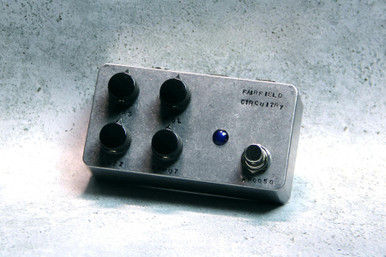
Fairfield Circuitry 900 About Nine Hundred Fuzz Pedal

£219.00

Just pedals are excited to share the latest New Fuzz Pedals by Fairfield Circuitry, the Fairfield Circuitry 900 About Nine Hundred Fuzz Pedal Fuzz Pedals is a great Fuzz choice for new and experienced guitarists alike.. Read More below for more images, videos and latest UK prices from the Fairfield Circuitry brand, delivered by a UK retailer, with warranty & more.


Description

Just pedals are excited to share the latest New Fuzz Pedals by Fairfield Circuitry, the Fairfield Circuitry 900 About Nine Hundred Fuzz Pedal Fuzz Pedals is a great Fuzz choice for new and experienced guitarists alike.. Read More below for more images, videos and latest UK prices from the Fairfield Circuitry brand, delivered by a UK retailer, with warranty & more.

Here's what Fairfield Circuitry have to say:

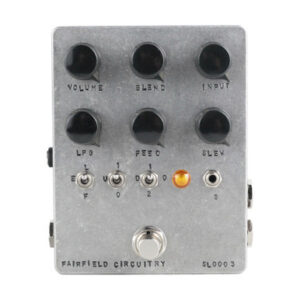
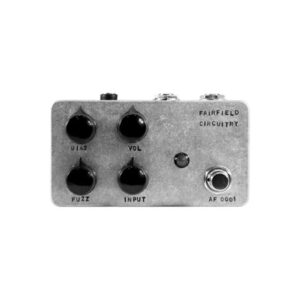
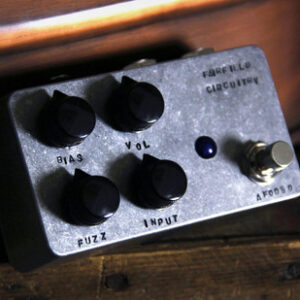
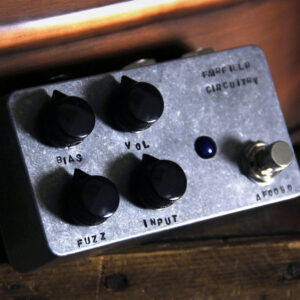
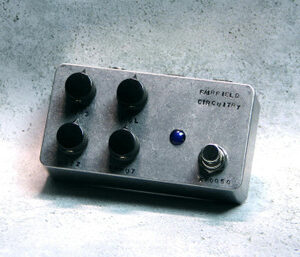
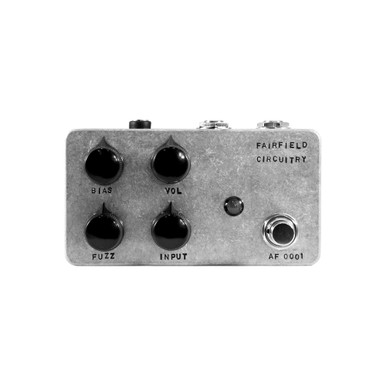
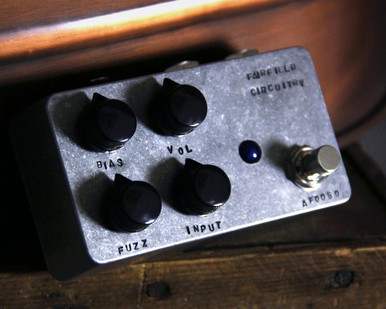
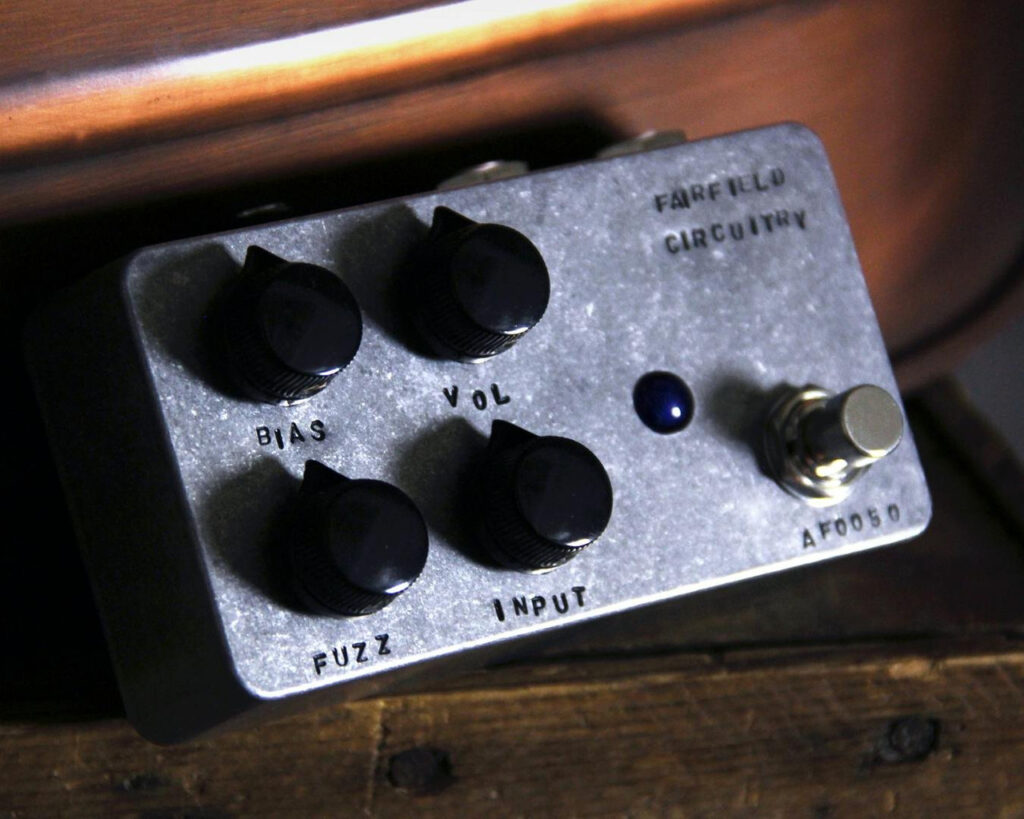
The ~900 is a ferocious fuzz pedal featuring two cascading JFET gain stages. The ~900 is a spiritual successor to our discontinued Four Eyes Fuzz, having a similar fuzz circuit. This pedal has a very wide range of gain, brought to you by four interactive controls: INPUT, FUZZ, BIAS, VOLUME.

The INPUT section is a 'mu-amp' design. The INPUT knob controls the level going into this first gain stage – you can go from clean with lots of headroom, to
completely slammed and distorted – and everything in between. The FUZZ knob controls the level going into the second JFET gain stage. This section is very dependent on the level of the INPUT.

The BIAS knob adjusts the bias of the second gain stage. This gives control over the saturation symmetry, and can also allow gating when turned up high enough. The BIAS knob is especially interactive with the FUZZ knob. The VOLUME controls the master volume output. This pedal has a lot of gain to offer and can get quite loud.

The ~900 is an overall very versatile fuzz pedal. It stacks well with other pedals and is friendly to all sorts of instruments and signal levels. The INPUT especially will dictate how the pedal responds. At lower INPUT levels, the FUZZ will have a wide range of tones and interact heavily with the BIAS knob. When the INPUT is raised high, the FUZZ and BIAS will be a bit less responsive – but at that point you will be experiencing a thick wall of distortion/fuzz

Specifications:

  • INPUT – preamp input level
  • FUZZ – interstage level
  • BIAS – second stage bias and gain
  • VOLUME – output level

Brand

Fairfield Circuitry

Fairfield Circuitry is a boutique pedal company based in Hull, Quebec, Canada, known for its unique and innovative effects pedals designed for guitarists and bassists. Founded by Guillaume Fairfield, the company has gained recognition for its commitment to craftsmanship, creativity, and sonic excellence.

Fairfield Circuitry pedals are revered for their distinctive designs, offering musicians a wide range of effects to explore and incorporate into their music. Each pedal is meticulously handcrafted using high-quality components and features intuitive controls, allowing musicians to easily dial in their desired tones.

One of Fairfield Circuitry’s most acclaimed pedals is the Shallow Water, a dynamic tremolo pedal that simulates the unpredictable behaviour of vintage magnetic tape machines and tube amplifiers. The Shallow Water offers a unique and organic tremolo effect with a touch of modulation, creating lush, swirling textures reminiscent of ocean waves.

Category

Fuzz Pedals

Fuzz pedals produce a thick, saturated and often unruly form of distortion with a character all of its own. From smooth vintage sustain to gated, spluttering and synth-like textures, fuzz is one of the most expressive and distinctive effects in guitar history.

Players use fuzz for psychedelic rock, garage, stoner rock, doom, indie, shoegaze and experimental sounds. It can feel more like an instrument than a normal drive pedal, responding strongly to guitar volume, pickup choice and playing dynamics.

Tags

Fuzz

Fuzz pedals create thick saturated distortion with a raw and highly expressive character that differs significantly from standard overdrive or distortion pedals. Vintage-inspired fuzz circuits remain hugely influential in psychedelic rock, doom, garage, shoegaze and experimental music.

Different fuzz designs respond very differently to pickups, guitar volume and playing dynamics, allowing players to move between smooth sustain, gated textures and aggressive spluttering tones.