Catalinbread Fuzzrite Germanium Fuzz Pedal

£149.99

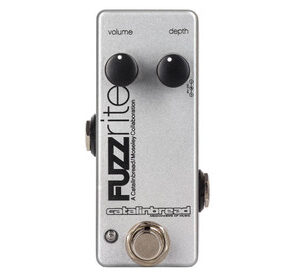
Just pedals are excited to share the latest New Fuzz Pedals by Catalinbread, the Catalinbread Fuzzrite Germanium Fuzz Pedal Fuzz Pedals is a great Fuzz choice for new and experienced guitarists alike.. Read More below for more images, videos and latest UK prices from the Catalinbread brand, delivered by a UK retailer, with warranty & more.


Description

Just pedals are excited to share the latest New Fuzz Pedals by Catalinbread, the Catalinbread Fuzzrite Germanium Fuzz Pedal Fuzz Pedals is a great Fuzz choice for new and experienced guitarists alike.. Read More below for more images, videos and latest UK prices from the Catalinbread brand, delivered by a UK retailer, with warranty & more.

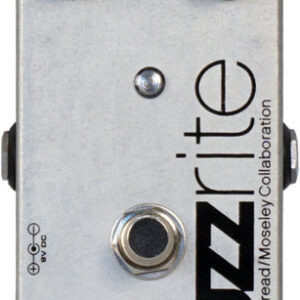
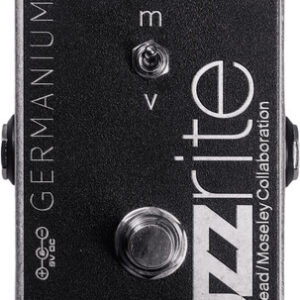
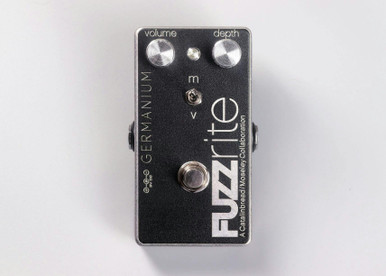
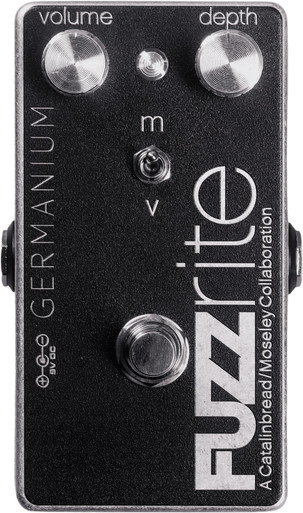
Catalinbread have recently been working closely with the Moseley (Mosrite) family to bring back the Fuzzrite as an officially sanctioned Moseley-backed pedal. The Fuzzrite is now an exact sonic replica of the original vintage germanium Fuzzrite from the 1960’s.

So you can plug in the Fuzzrite to get any of those 60s style fuzz effects. It only uses 2 transistors to get its sound and can go from wild screeching fuzz tones to warm, rich fuzz. It has a fantastic rasp in the mid-range and will cut through the mix unlike a lot of other fuzz pedals that get drowned out by their own wooly fuzz tones.

Mosrite Fuzz

From the years of 1966 to 1968, Mosrite produced two distinct fuzz circuits—one outfitted with silicon transistors, the other with germanium parts. Of the two, the germanium version is by far the most rare, with original designer and Mosrite employee Ed Sanner estimating that around 250 ever made it out the door. In that final year of production, Mosrite shifted exclusively to silicon parts, making germanium components a thing of the past.

Germanium

Catalinbread happen to have a germanium version at their disposal, and have used it as a benchmark to create an extremely faithful version with a modern twist. Just like the original, the Catalinbread Fuzzrite Germanium includes two NOS PNP germanium semiconductors with a polarity inverter IC so it plays nice with all forms of power. Unlike the original, they’ve added a toggle switch to shift into modern mode, significantly beefing up the low-end content to suit more contemporary rigs.

Specifications

  • Input: Mono
  • Output: Mono
  • Power: 9V DC, Centre Negative
  • Weight: 0.4lbs
  • Dimensions: 1.96″ x 2.36″ x 4.33″
Related videos

Brand

Catalinbread

Catalinbread is a renowned boutique pedal company based in Portland, Oregon, USA. Founded in 2003 by Nicholas Harris and Howard Gee, Catalinbread has established itself as a leading manufacturer of high-quality and innovative guitar effects pedals.

Catalinbread pedals are crafted with a deep respect for vintage tone and a flair for innovation. Hand-built in Portland, Oregon, they capture the spirit of classic amps, echoes, and fuzz circuits while adding modern versatility and character. Each pedal feels like a piece of sonic art, from their shimmering reverbs to their amp-inspired drives and dynamic boosts. Catalinbread’s approach is all about musical feel and responsiveness, giving players inspiring tools that make every note come alive.

Category

Fuzz Pedals

Fuzz pedals produce a thick, saturated and often unruly form of distortion with a character all of its own. From smooth vintage sustain to gated, spluttering and synth-like textures, fuzz is one of the most expressive and distinctive effects in guitar history.

Players use fuzz for psychedelic rock, garage, stoner rock, doom, indie, shoegaze and experimental sounds. It can feel more like an instrument than a normal drive pedal, responding strongly to guitar volume, pickup choice and playing dynamics.

Tags

Fuzz

Fuzz pedals create thick saturated distortion with a raw and highly expressive character that differs significantly from standard overdrive or distortion pedals. Vintage-inspired fuzz circuits remain hugely influential in psychedelic rock, doom, garage, shoegaze and experimental music.

Different fuzz designs respond very differently to pickups, guitar volume and playing dynamics, allowing players to move between smooth sustain, gated textures and aggressive spluttering tones.