Brand
JOYO Technology is a Shenzhen music-gear company whose range goes well beyond stompboxes. Its official catalogue covers guitar and bass amplifiers, acoustic and busking amps, effects, power supplies, interfaces, wireless systems and accessories. JOYO also says it develops acoustic-core technology and has applied for utility patents. JustPedals listings include the JF-21 Splinter distortion and JF-319 Green Legend overdrive, alongside mini amps and power adapters. That breadth matters when comparing products under the JOYO name: some are effects, while others support the rest of a guitar or bass rig.
Category
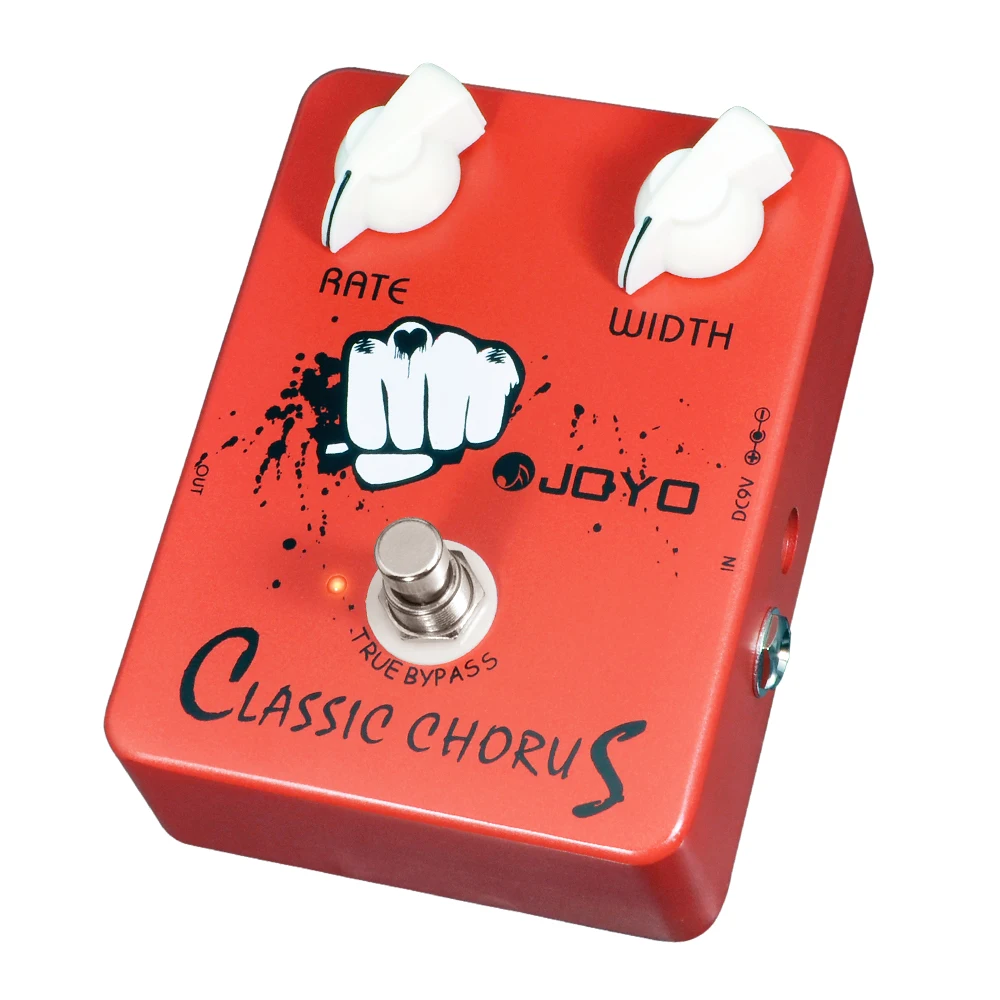
Chorus mixes the dry signal with one or more short, continuously modulated delays. The small pitch and timing movement between the paths creates width, shimmer and the impression of several instruments playing together. Rate controls the modulation speed, depth controls its excursion, and delay or mix settings determine whether the result is subtle thickening, a liquid wobble or a broad stereo image.
Tags
The signal is shaped by continuously varying electronic circuitry rather than being converted into a digital effect algorithm. Component choice, operating voltage and circuit tolerances influence headroom, noise, clipping texture and the small variations in response between designs.

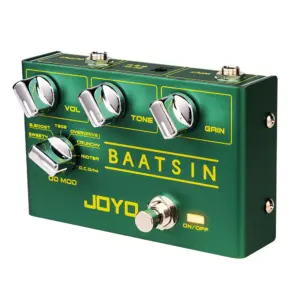 JOYO R-11 BAATSIN 8 in 1 Overdrive & Distortion Pedal Classic Overdrive/Distortion Sounds Pure Analogue Electric Guitar Pedal
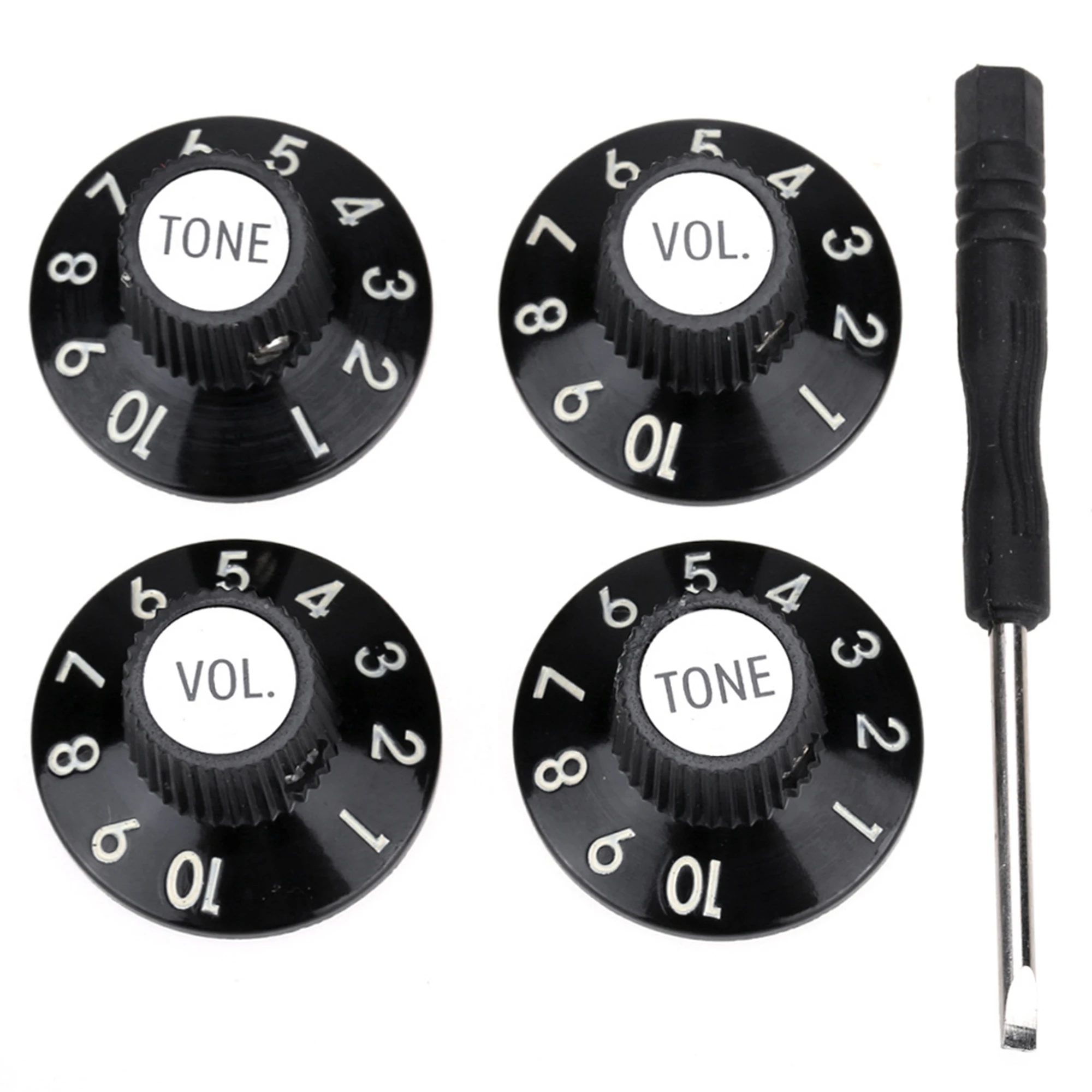 Musiclily Pro 1/4 Inch Universal Fitting Solid Knobs Guitar 2 Tone 2 Volume Amplifier Effect Pedal Witch Hat Skirted Knobs Set
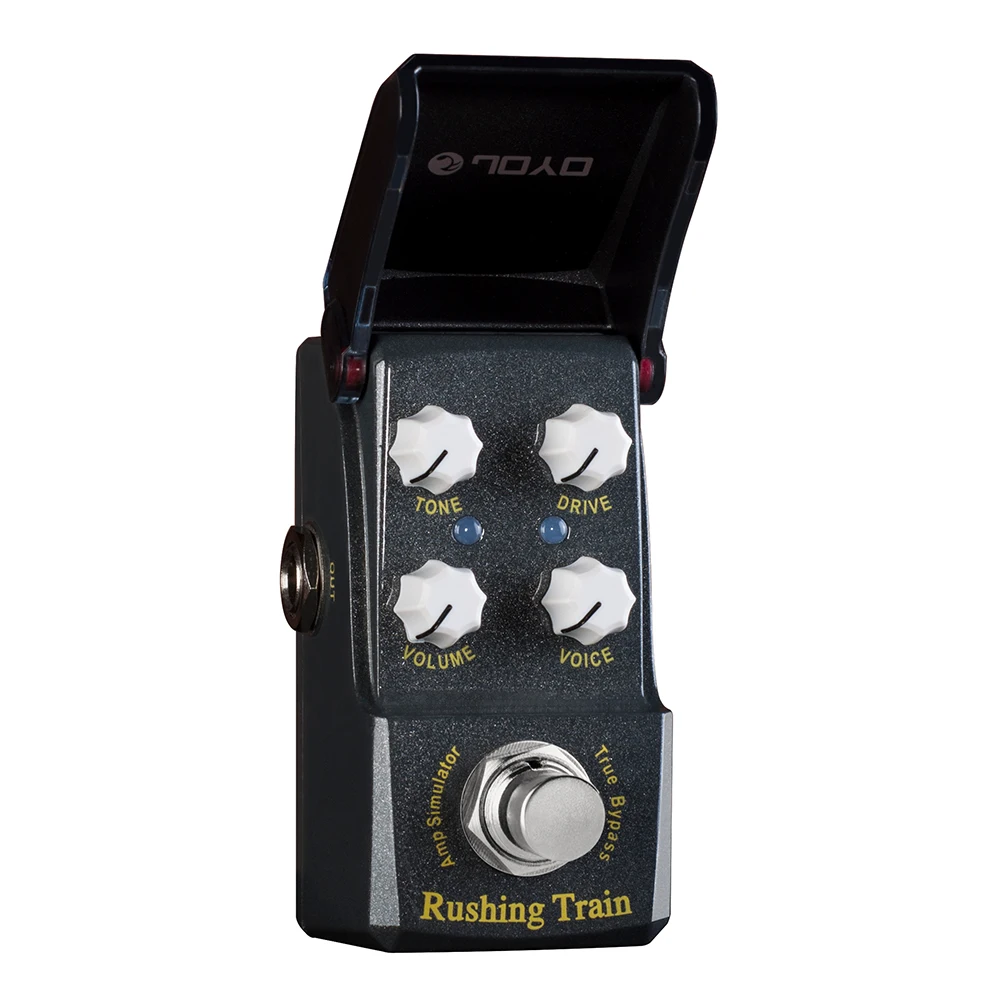 Joyo JF-306 RUSHING TRAIN Amp Simulator Pedal Classic Speaker Clean Sounds Crisp Rhythms