
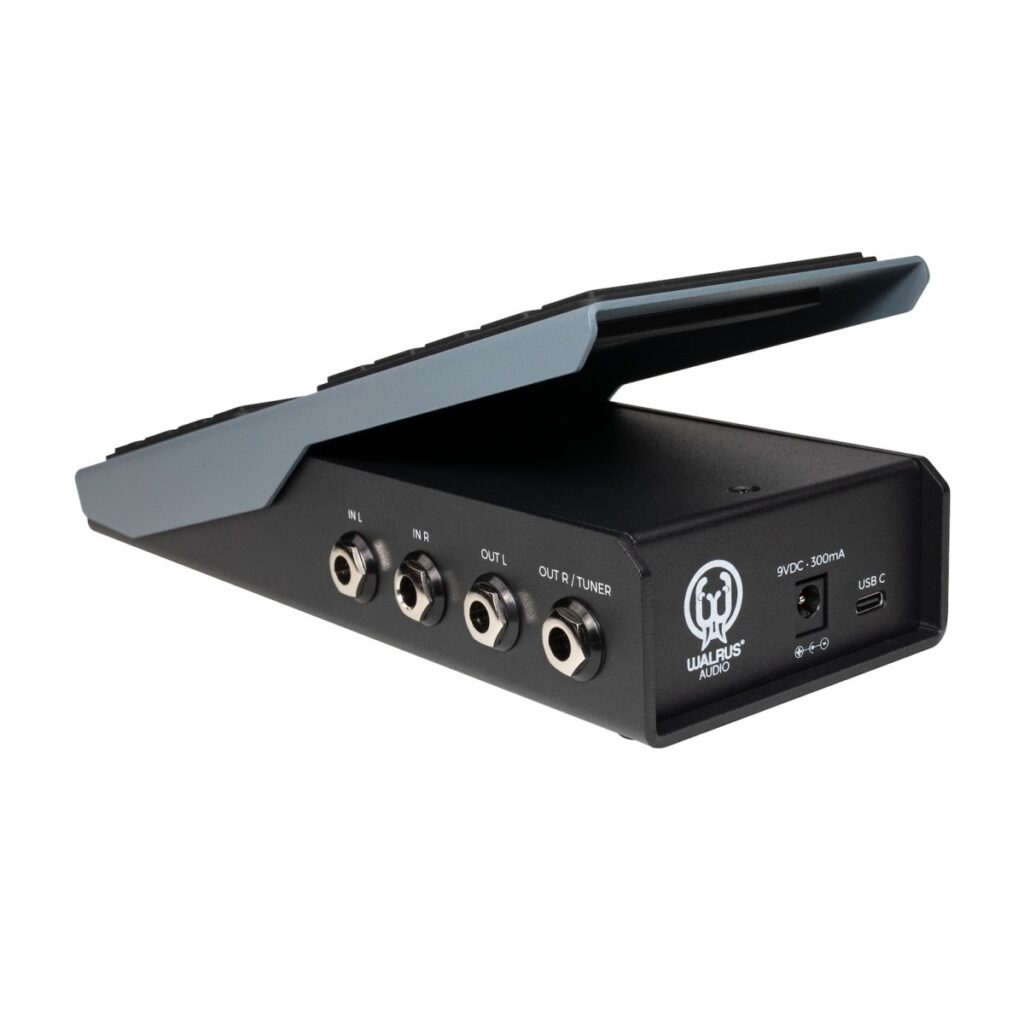
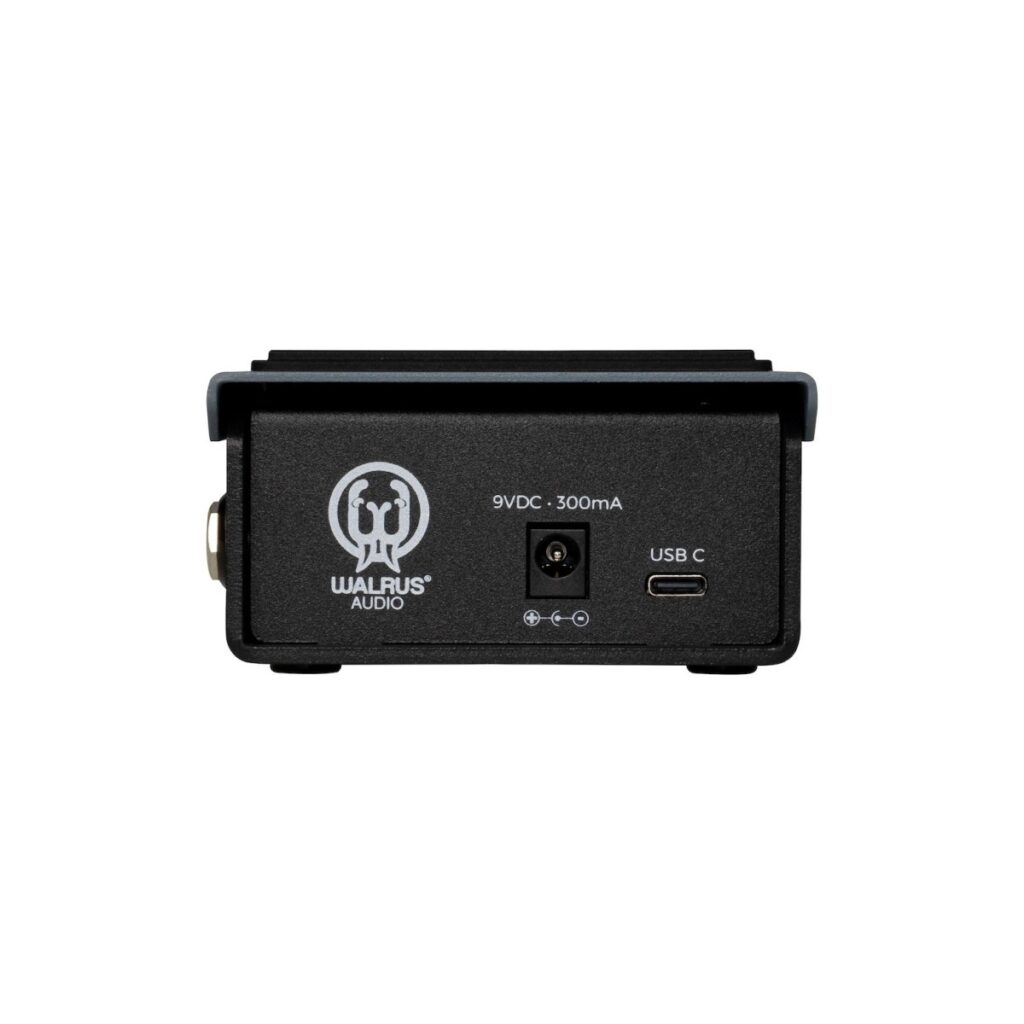
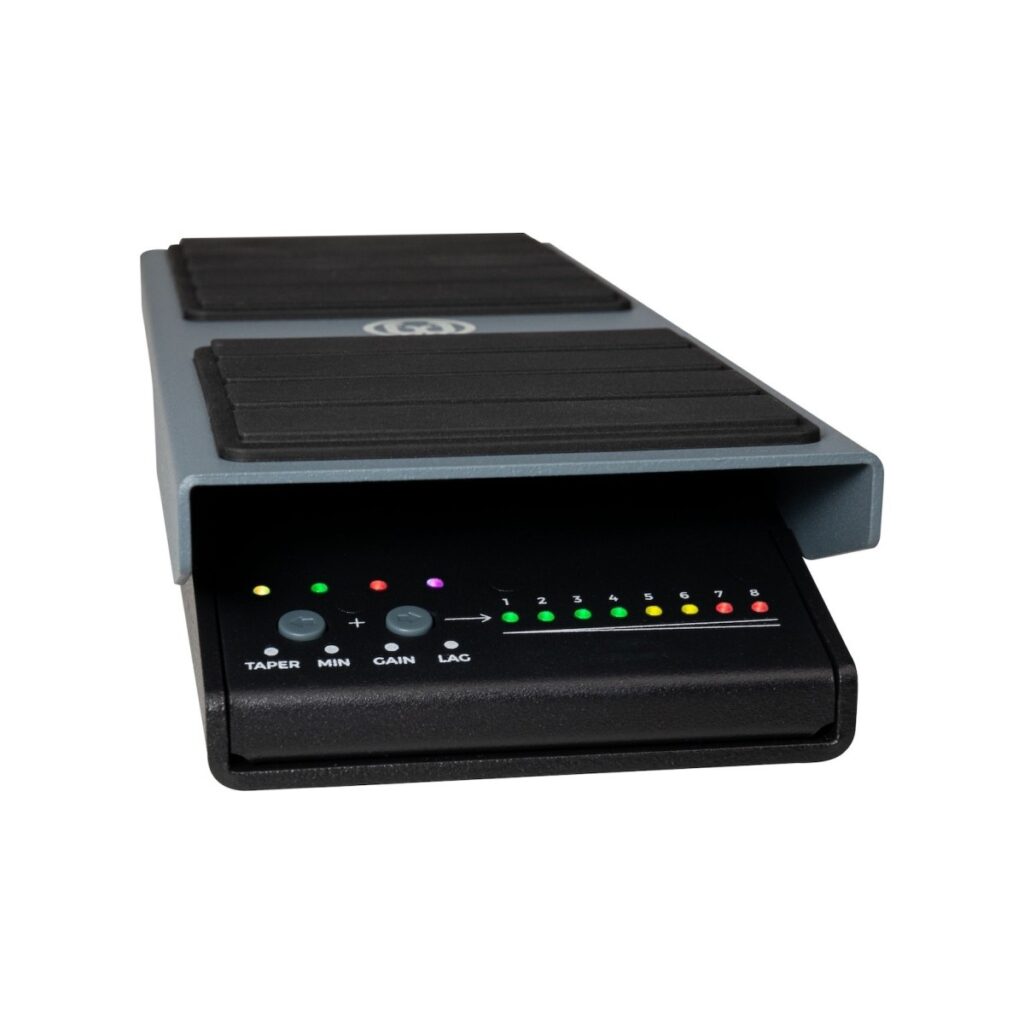
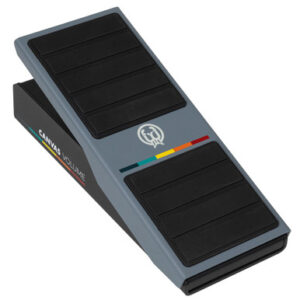
The Walrus Audio Canvas Stereo Volume Pedal is a modern all-analogue solution designed to deliver smooth consistent volume control with far greater flexibility than traditional designs. Built around a precision contactless position sensor and high-quality VCAs it provides a premium signal path without strings pots or gears that can wear out or become unreliable over time. The result is dependable performance and clean tone night after night. Designed to integrate easily into almost any rig the Canvas Volume supports mono dual mono and true stereo operation making it equally suitable for simple pedalboards or complex stereo setups. With customisable taper minimum volume gain and lag settings discreetly tucked under the heel it offers precise control while keeping adjustments protected during performance.
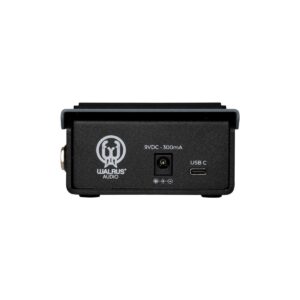
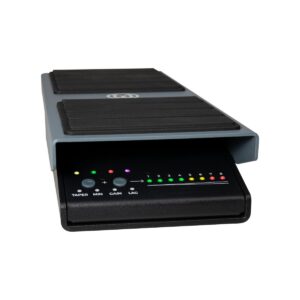
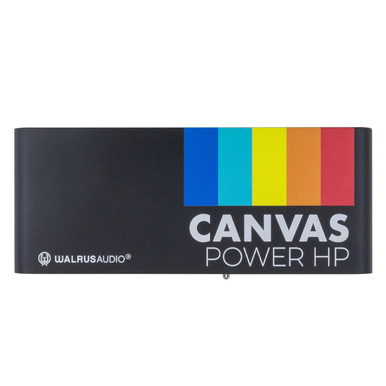
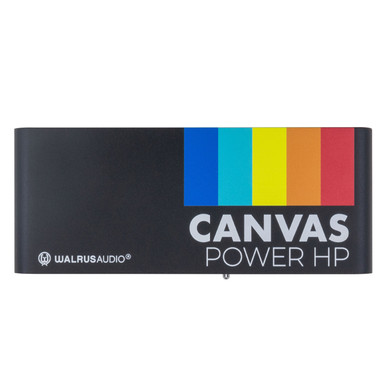
Walrus Audio Canvas Power HP
This is a New Walrus Audio Canvas Power HP from Walrus Audio, listed in Specialist Effects Pedals on Just Pedals. Read More below.
As an affiliate partner, we may earn a small commission when you buy through our links — at no extra cost to you.
Related videos

Brand
Walrus Audio
In the current JustPedals catalogue, Walrus Audio is represented by Reverb Pedals, Distortion Pedals and Chorus Pedals. Current listings include Canvas Power HP, Canvas Power USB and Polychrome Flanger. That makes the range relevant to players looking for drive, gain and clipping, plus time-based effects and ambience. Check each model for its exact circuit or processing platform, controls, power requirements and connections, particularly where the catalogue includes both pedals and supporting gear.
Category
Specialist Effects Pedals
Specialist effects alter the signal in ways that do not sit cleanly inside one established family. They may use granular processing, frequency shifting, resonators, freeze or sustain, bit reduction, ring modulation, feedback networks or combinations of several techniques. The relevant distinction is the underlying process, its tracking or latency, and how completely the dry signal can be blended or replaced.
Tags
Analogue
Analogue products use continuous audio circuitry for some or all of the signal path, so clipping, filtering or modulation arises from physical components rather than sampled algorithms. The label does not guarantee a particular tone; component choice, headroom, bias, noise and the surrounding gain stages still matter. Check whether the switching, presets, control section or cabinet stage is digital when the exact signal path is important.
Bass
Bass products are designed or voiced to retain low-frequency information and usable headroom with bass guitar or other low-register sources. Controls may centre on clean blend, low-end EQ, compression, crossover points or drive character. A guitar pedal can sometimes work well on bass, but it may remove the fundamental or compress the transient. Check the frequency response, input impedance, output level and dry-signal path with the intended tuning and amplifier.
Stereo
Stereo products provide separate left and right audio paths, which may widen modulation, preserve independent delays or route a pedalboard into two amplifiers or a mixer. Input and output behaviour is not always symmetrical: some units sum a stereo input, while others create stereo from a mono source. Check whether the effect collapses safely to mono, how the dry signal is routed, the socket format and the destination’s panning and phase requirements.
Others Just Ordered :
- Mooer Meta FX – Review
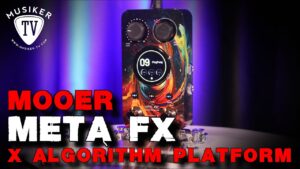
- MOOER META FX Review: 3 Effects in 1—but Here’s the Problem

- I Wasn’t Expecting To Be Impressed – But What Is The Mooer Meta FX?

- Mooer // META FX Stereo Multi-Effect Platform (Demo)

- A NEW GENERATION OF PEDALS IS HERE – Mooer Meta FX Reverb Review

- Mooer META FX | All the REVERBS from subtle to WILD!