Brand
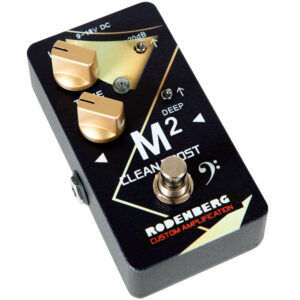
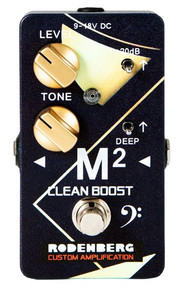
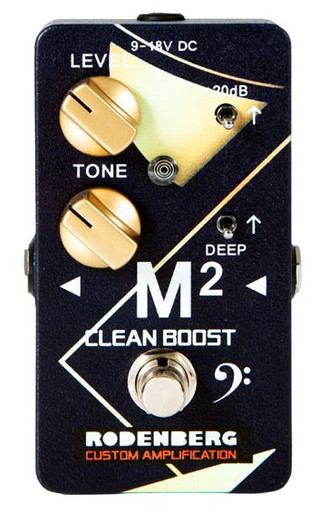
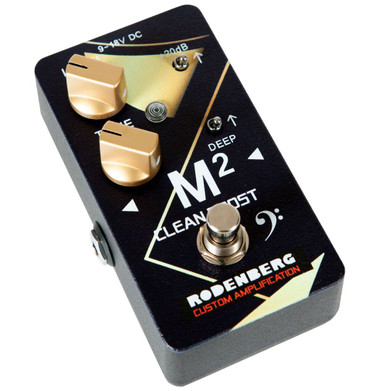
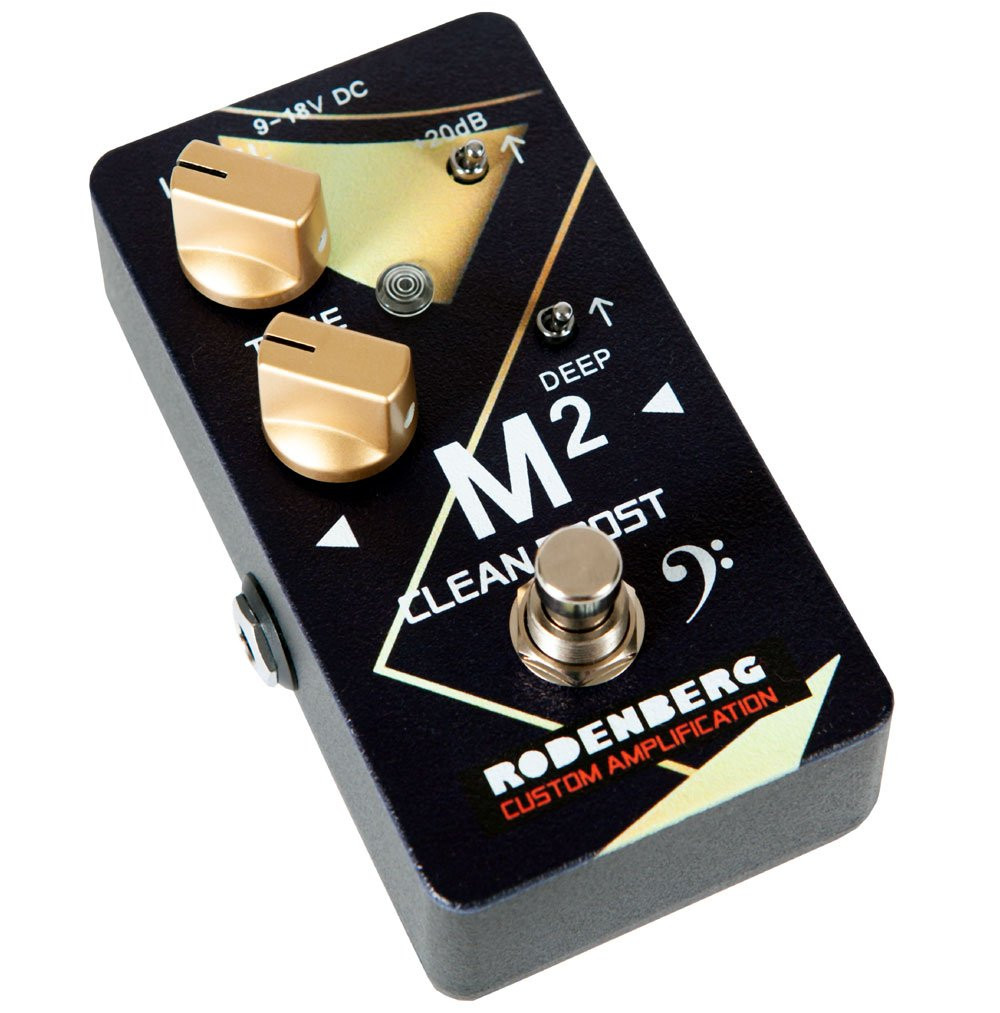
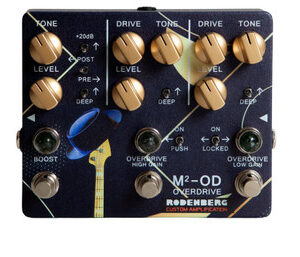
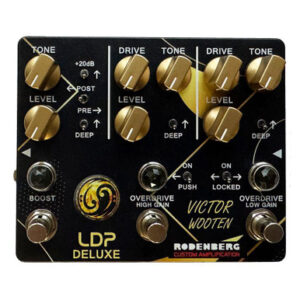
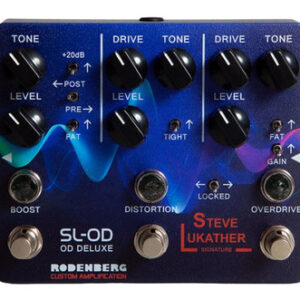
In the current JustPedals catalogue, Rodenberg is represented by Overdrive Pedals and Boost Pedals. Current listings include Killmister Killswitch, GAS Overdrive Clean Boost and LDP Overdrive Clean Boost. That makes the range relevant to players looking for drive, gain and clipping. Check each model for its exact circuit or processing platform, controls, power requirements and connections, particularly where the catalogue includes both pedals and supporting gear.
Category
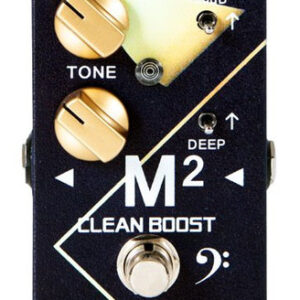
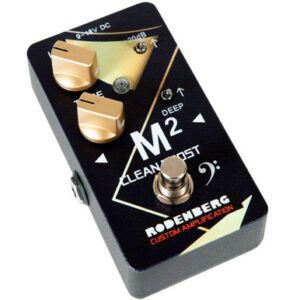
A boost raises signal level without deliberately creating a new effect waveform. Clean boosts emphasise level and headroom, while coloured boosts reshape bass, midrange or treble and may add mild clipping at higher settings. Placed before a gain stage, the extra level changes how that stage distorts; placed later, it can provide a volume lift if sufficient headroom remains.
Tags
Voiced or equipped to retain low-frequency fundamentals and the higher headroom of a bass signal. Clean blends, crossovers and bass-specific filter ranges can preserve weight and articulation while the effected portion adds harmonics, movement or ambience.
Connects input directly to output through mechanical or relay switching when the effect is off, removing the active circuit from the audio path. It avoids buffer colour but leaves cable capacitance and switching design to influence high-frequency loss and possible switching noise.