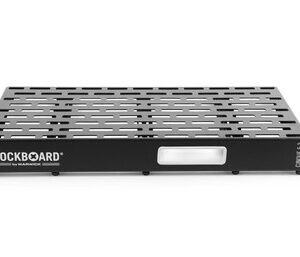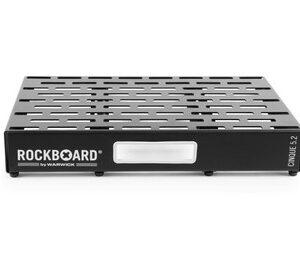
Rockboard The Tray – Universal Power Supply Mounting Solution

£17.99

This is a New Rockboard The Tray – Universal Power Supply Mounting Solution from RockBoard is in our Specialist Effects Pedals category on Just Pedals. Read More below.

View Just
more

Please Note: Pedalboard not included.

Here's What RockBoard Say About The Tray:

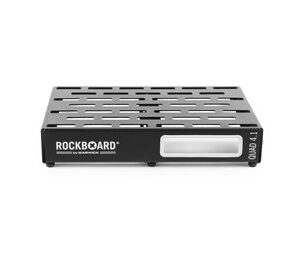
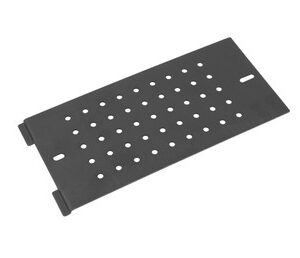
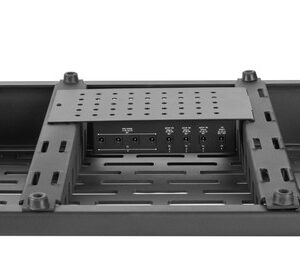
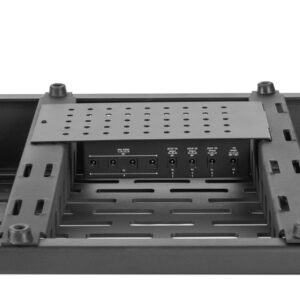
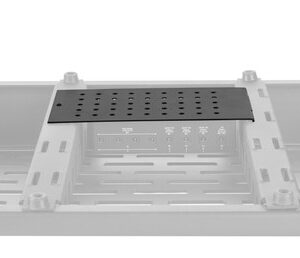
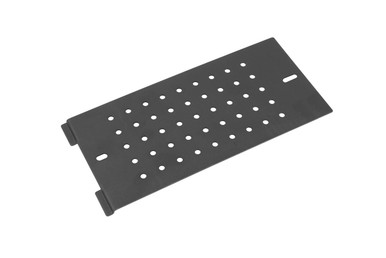
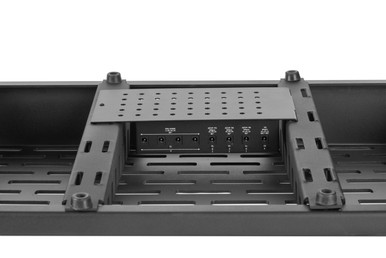
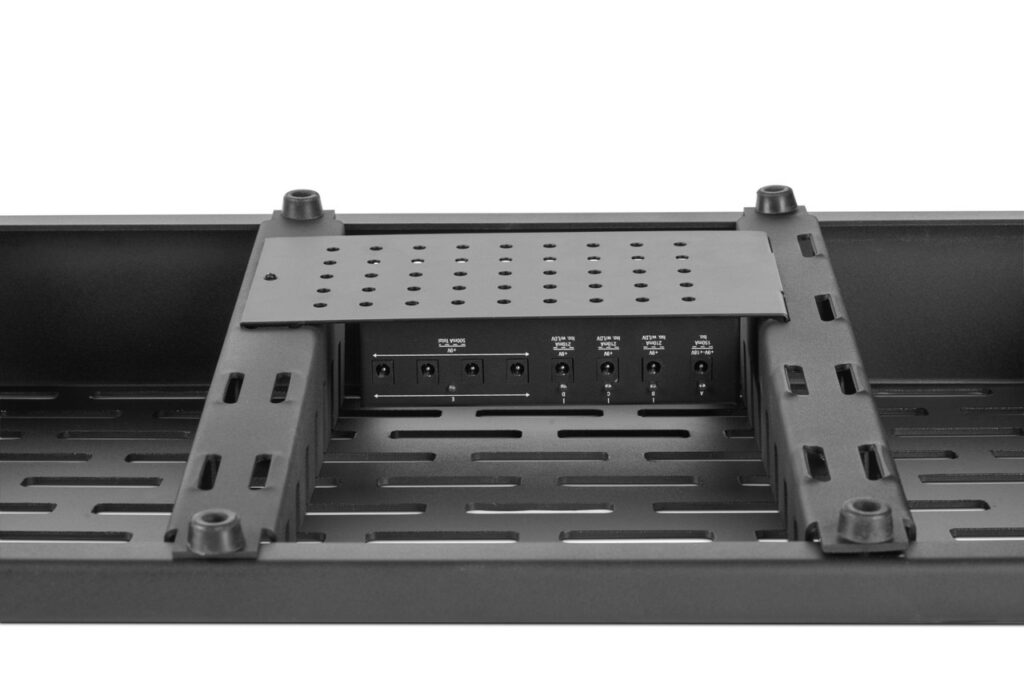
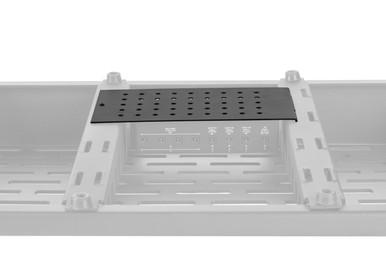
The new RockBoard® The Tray is a universal power supply mounting solution for almost any multi power supply unit you can imagine. Its one-size-fits-all design can be mounted underneath any new RockBoard® pedalboard (except Duo 2.0). Due to the construction of the RockBoard's vertical support braces no holes have to be drilled into your pedalboard and it can easily be fixed with only one screw. Using the holes in the Tray's surface, you can either mount power supply units to it using screws or cable ties. Also because of its flat surface hook and loop tape or other adhesive tape can be used to fix your power supply to it.

Features

  • Universal power supply mounting solution
  • Fits all new RockBoard® except Duo 2.1
  • No drill holes necessary
  • Dimensions (L x W) 241 x 122 mm / 9 1/2 x 4 13/16
  • Weight 210 g / 0.46 lb.

Related videos

Brand

Rockboard

RockBoard is Warwick’s pedalboard and rig-accessory system, not an effects-pedal maker. Its boards use a single sheet of cold-rolled aluminium with a slotted surface for mounting flexibility and cable routing beneath the board. The QuickMount system secures compatible pedals without hook-and-loop tape and can be removed without leaving residue. JustPedals carries QUAD and TRES boards with gig-bag or flight-case options, plus QuickMount plates and other accessories. Compare board dimensions and row capacity, then check QuickMount compatibility for each pedal enclosure before planning a layout.

Category

Specialist Effects Pedals

Specialist effects alter the signal in ways that do not sit cleanly inside one established family. They may use granular processing, frequency shifting, resonators, freeze or sustain, bit reduction, ring modulation, feedback networks or combinations of several techniques. The relevant distinction is the underlying process, its tracking or latency, and how completely the dry signal can be blended or replaced.