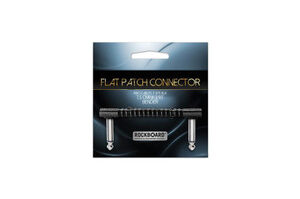
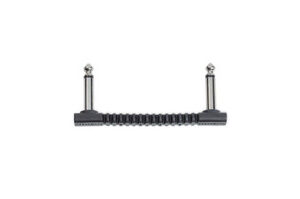
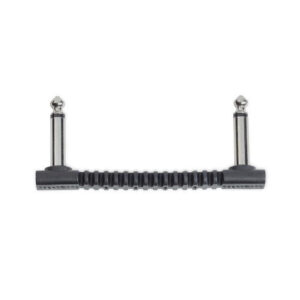
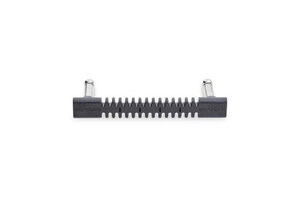
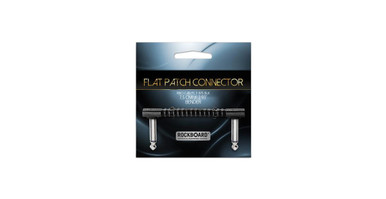
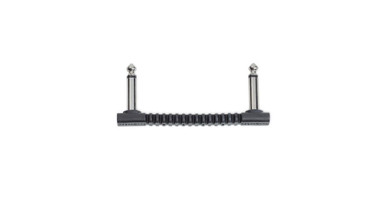
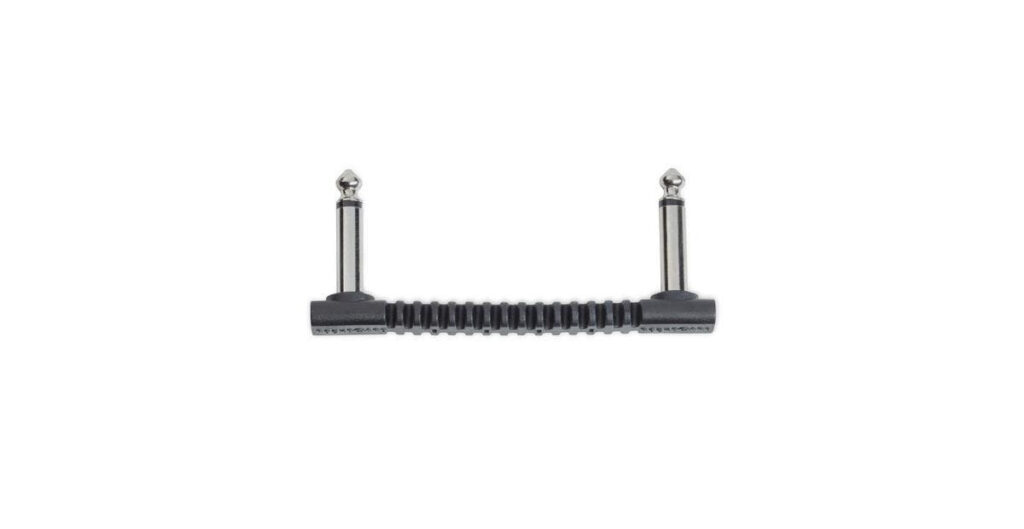
Rockboard Bender75 – Flat Pedal Connector – 2 15/16”

£2.99

This is a New Rockboard Bender75 – Flat Pedal Connector – 2 15/16” from RockBoard, listed in Specialist Effects Pedals on Just Pedals. Read More below.

View Just
more

Here’s What RockBoard Say About the Bender75 – Flat Pedal connector

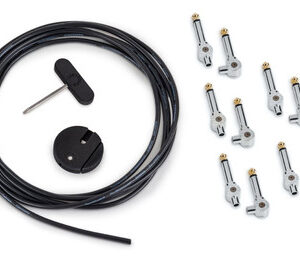
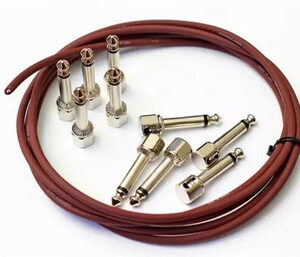
The RockBoard Flat Patch Connector – or as we like to call it, the Rockboard Bender – is a super-flexible, 75 mm long pedal connector, with extra-flat profile. It features extremely compact, angled plugs, just like the Rockboard Flat Patch Cables, for optimizing your pedalboard real estate. It perfectly connects pedals with side or top mounted jacks and helps keep your setup tidy and neat looking.

Features:

  • Flexible pedal connector
  • Easily connects top- as well as side-mounted jacks
  • Bends in every direction
  • Flexible copper conductor (20 x 0.12 mm / 36 AWG)
  • Twisted copper shielding (34 x 0.12 mm / 36 AWG)
  • PE (polyethylene) signal insulation
  • PVC cable mantle
  • Capacitance less than 10 pF/decimeter
  • Conductor resistance less than 10 mOhm/decimeter
  • Angled 6.3 mm mono audio plugs
  • Operating temperature -15° C to +70° C / 5° F to 158° F
  • Dimensions (L x W x H) 98 x 12.5 x 7.5 mm
  • Black
  • Length (plug to plug) 75 mm / 2 15/16″
Related videos

Brand

Rockboard

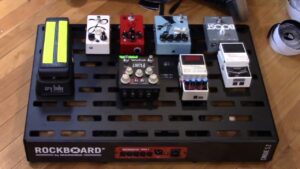
RockBoard is Warwick’s pedalboard and rig-accessory system, not an effects-pedal maker. Its boards use a single sheet of cold-rolled aluminium with a slotted surface for mounting flexibility and cable routing beneath the board. The QuickMount system secures compatible pedals without hook-and-loop tape and can be removed without leaving residue. JustPedals carries QUAD and TRES boards with gig-bag or flight-case options, plus QuickMount plates and other accessories. Compare board dimensions and row capacity, then check QuickMount compatibility for each pedal enclosure before planning a layout.

Category

Specialist Effects Pedals

Specialist effects alter the signal in ways that do not sit cleanly inside one established family. They may use granular processing, frequency shifting, resonators, freeze or sustain, bit reduction, ring modulation, feedback networks or combinations of several techniques. The relevant distinction is the underlying process, its tracking or latency, and how completely the dry signal can be blended or replaced.