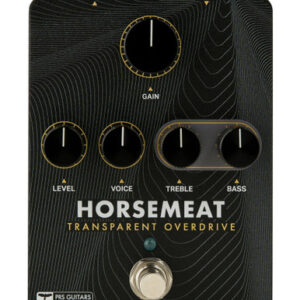
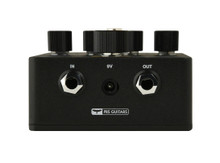

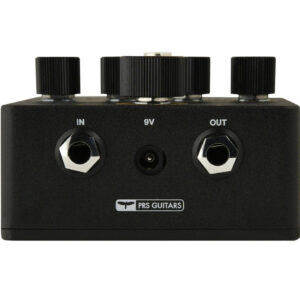
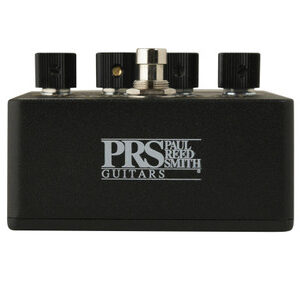
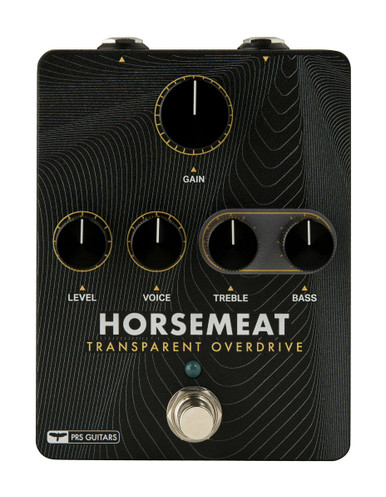
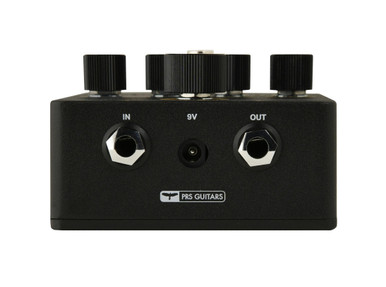
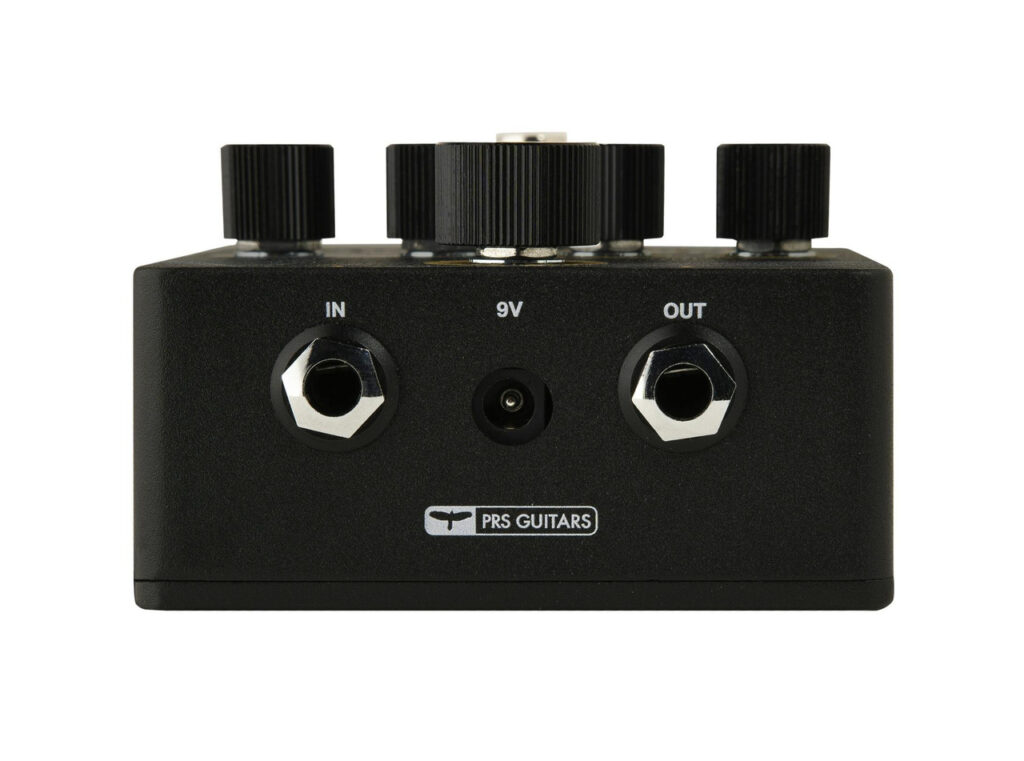
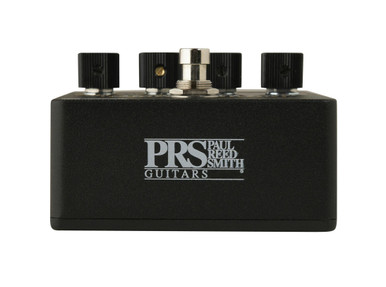
Designed from the ground up by PRS Guitars in Stevensville, MD, the Horsemeat Transparent Overdrive takes its inspiration from the legendary gold “mythical” overdrive pedal. Using Germanium diodes, the Horsemeat is designed to enhance your guitar tone without colouring it, producing a satisfying throatiness that is rich in harmonics. By boosting both low and high-end frequencies, the Horsemeat provides more headroom than other overdrive pedals. It can be used as a clean boost for giving your solos a much needed lift, a straight overdrive for crunchy rhythm tones, or to push your already overdriven amp further into saturation.
Accolades
“Horsemeat sounds a lot like a good amp.” – Paul Reed Smith
“I’ve tried just about everyone’s take on the mythical gold pedal that costs more than my first car did, but the Horsemeat is the first to really live up
to the hype. Silky smooth overdrive with a very tweakable EQ section. It’s magical!” – Ben Eller
“Horsemeat is a game changer. It adds exactly the right textures I want from an overdrive pedal without taking away the tone and clarity I want to get out of my instrument and my fingers.” – Eric Krasno
Specifications
- Pedal Type: Overdrive
- Analogue/Digital: Analogue
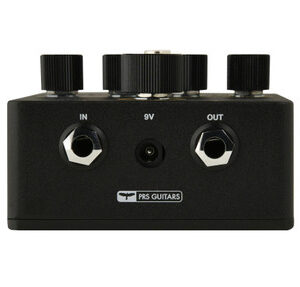
- Inputs: (1) ¼” instrument
- Outputs: (1) ¼” instrument
- Bypass Switching: True Bypass
- Amperage: 16mA
- Power Sources: 9V DC Power Supply, regulated and/or isolated (not included)
- Batteries: (1) 9V DC (not included)
- Length: 4.7”
- Width: 3.7”
- Height: 1.37”
- Weight 1.1 lbs