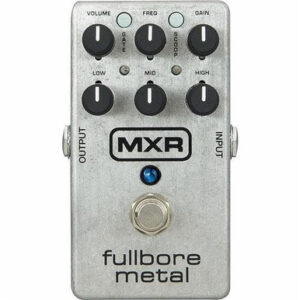
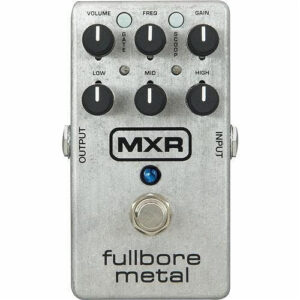
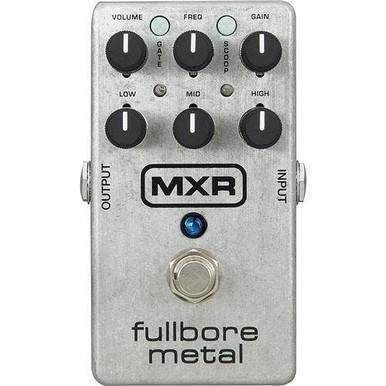

MXR M116 Fullbore Metal Pedal

£124.99

This is the MXR M116 Fullbore Metal Pedal from MXR, listed in Specialist Effects Pedals on Just Pedals. Read More below.

View Just
more

This Pedal is designed to turn any guitar or any amp into a full on Hi Gain Metal Machine.

Here’s what MXR say about the Fullbore Metal Pedal.

Ultimate riff power is yours with the Fullbore Metal Distortion pedal from MXR. This compact but powerful device is all you need to unleash the most devastating contemporary metal guitar tones ever heard. 
The Fullbore Metal turbo-charges your guitar signal with lethal amounts of ultra high gain. This is combined with a built-in Noise Gate to knock out the noise associated with extreme gain levels while also adding definition and tightness to syncopated metal riffs.
Related videos

Brand

MXR

MXR is a renowned manufacturer of guitar effects pedals and audio electronics, recognized for their classic designs and high-quality sound. Established in the 1970s, MXR has played a significant role in shaping the landscape of effects pedals, producing iconic units that have become staples in countless musicians’ rigs. The company’s pedals are celebrated for their rugged construction, intuitive controls, and versatile tones, making them popular among guitarists and bassists across genres.

MXR’s product lineup encompasses a wide range of effects categories, including distortion, delay, modulation, and more. Some of their most notable pedals include the Phase 90 phaser, the Dyna Comp compressor, and the Carbon Copy analog delay, all of which have earned legendary status among players for their distinctive sound and reliability. With a legacy of innovation and a commitment to quality, MXR continues to be a respected name in the world of guitar effects, inspiring musicians to explore new sonic possibilities and express themselves creatively.

Category

Specialist Effects Pedals

Specialist effects alter the signal in ways that do not sit cleanly inside one established family. They may use granular processing, frequency shifting, resonators, freeze or sustain, bit reduction, ring modulation, feedback networks or combinations of several techniques. The relevant distinction is the underlying process, its tracking or latency, and how completely the dry signal can be blended or replaced.