
Here at JustPedals we think you can rely on Mosky to make great Guitar Pedals. Check out the Mosky CE2 CHORUS Pedal Based Chorus True Bypass Accessories True Bypass Guitars on JustPedals now. MOSKY CE2 CHORUS Guitar Effects Pedal Based Chorus True Bypass Guitar Accessories True Bypass Guitars Acoustic Electric
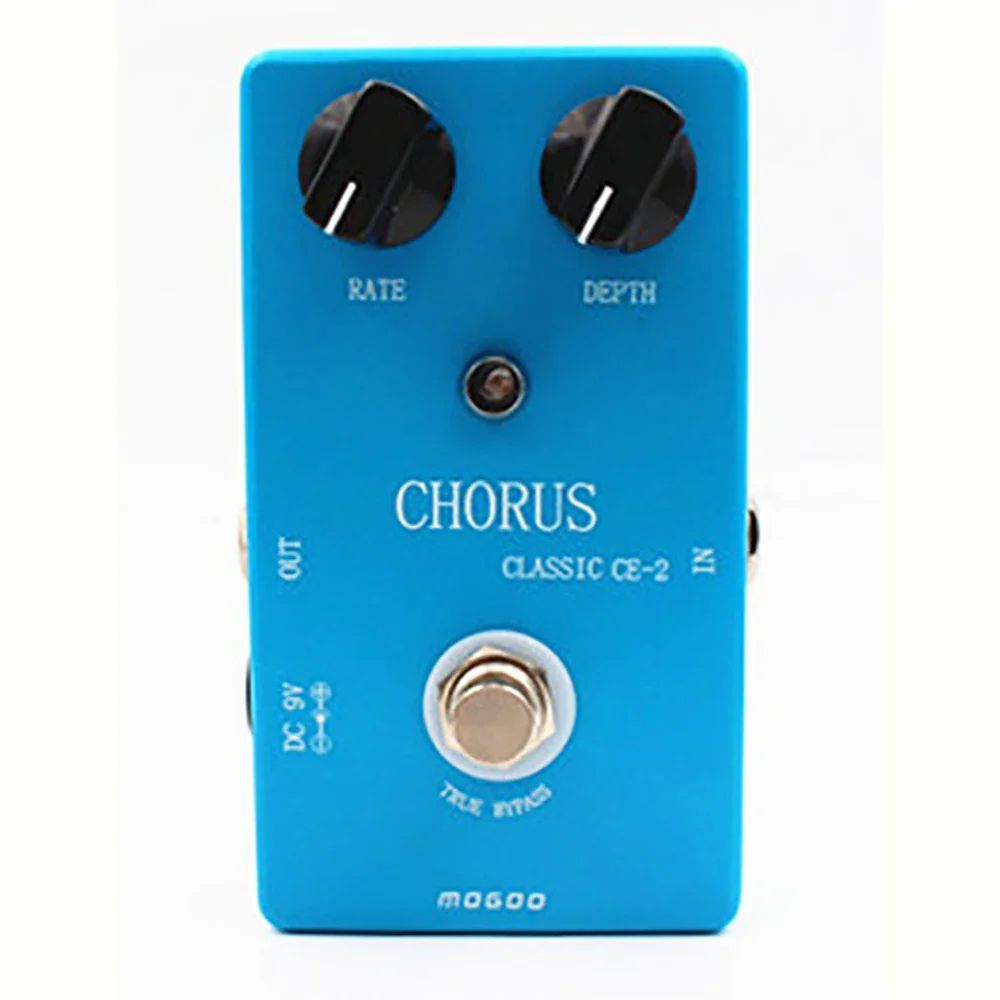

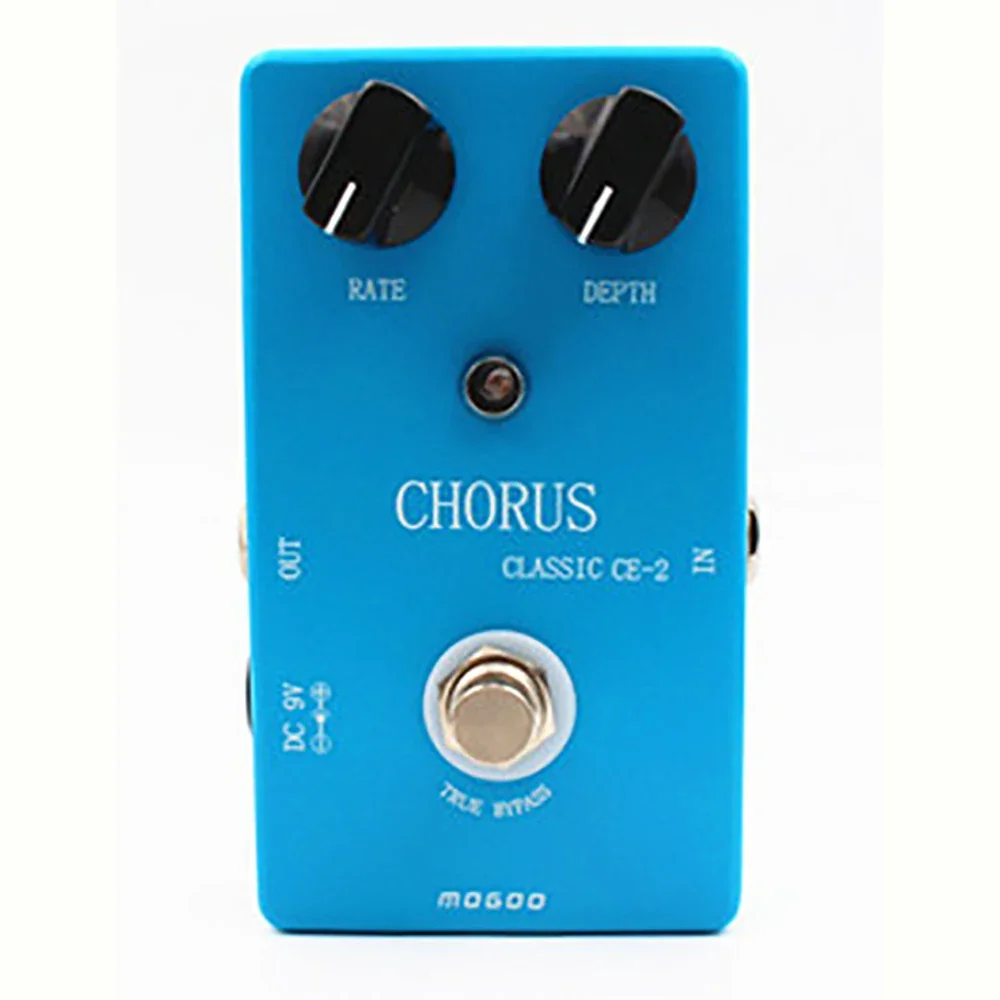
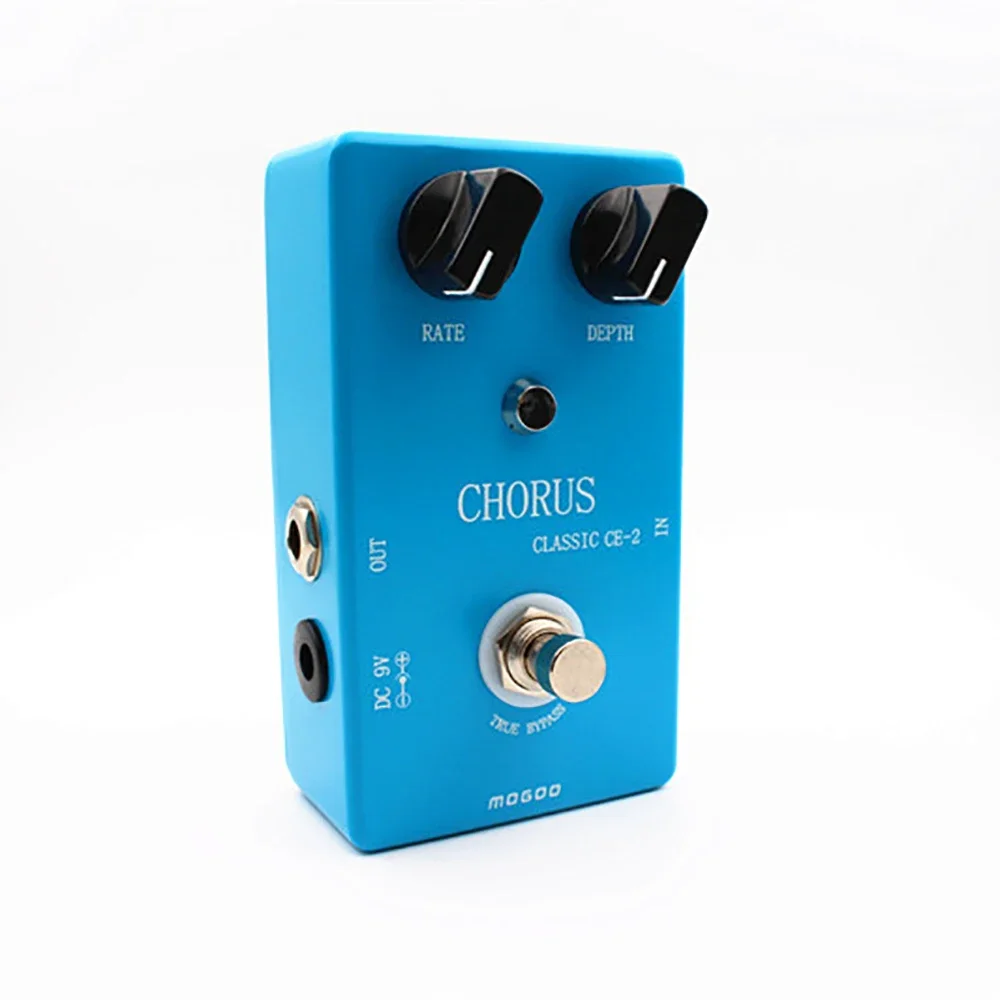
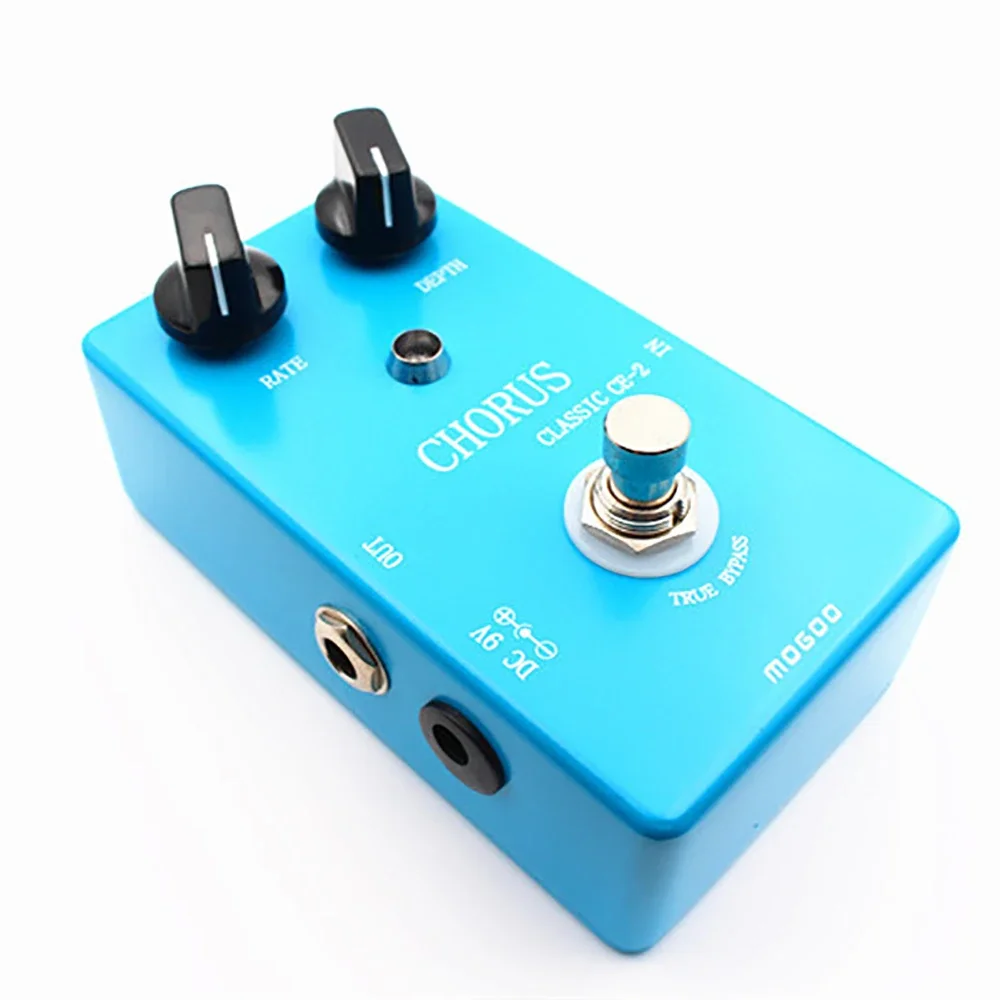
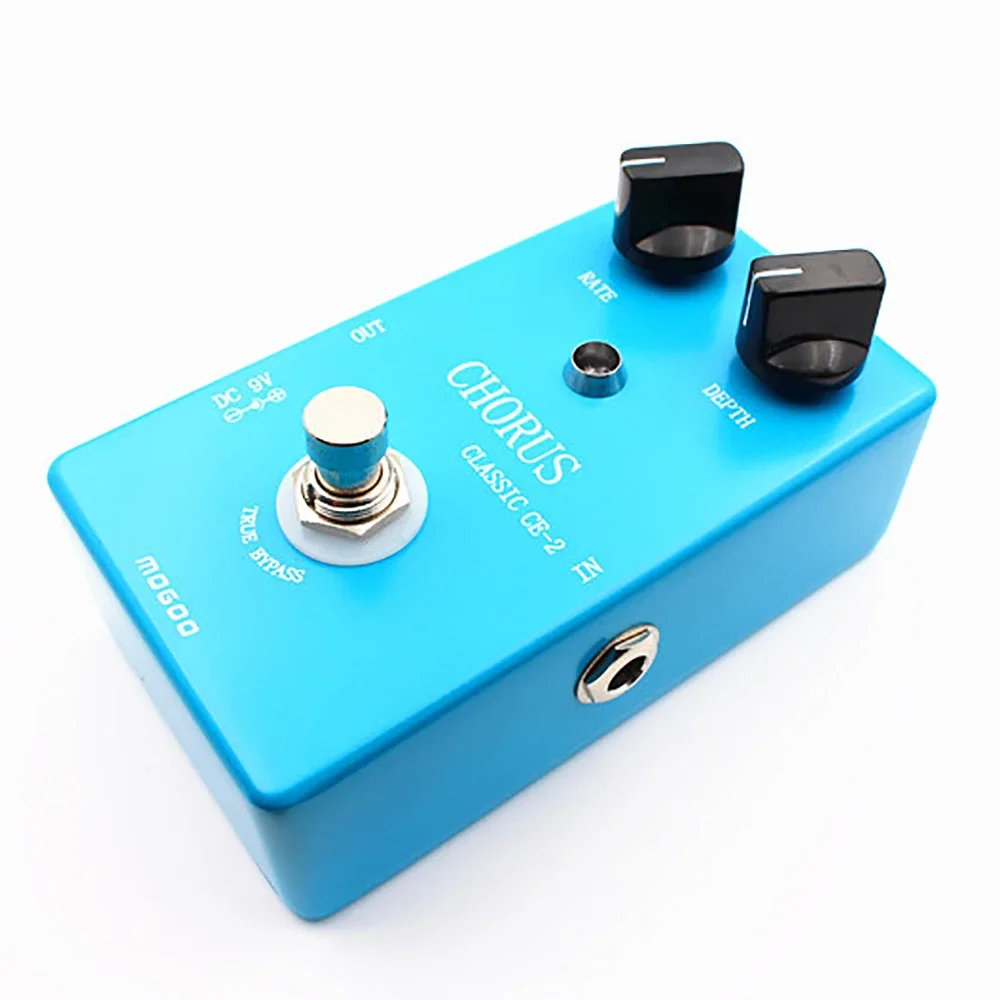
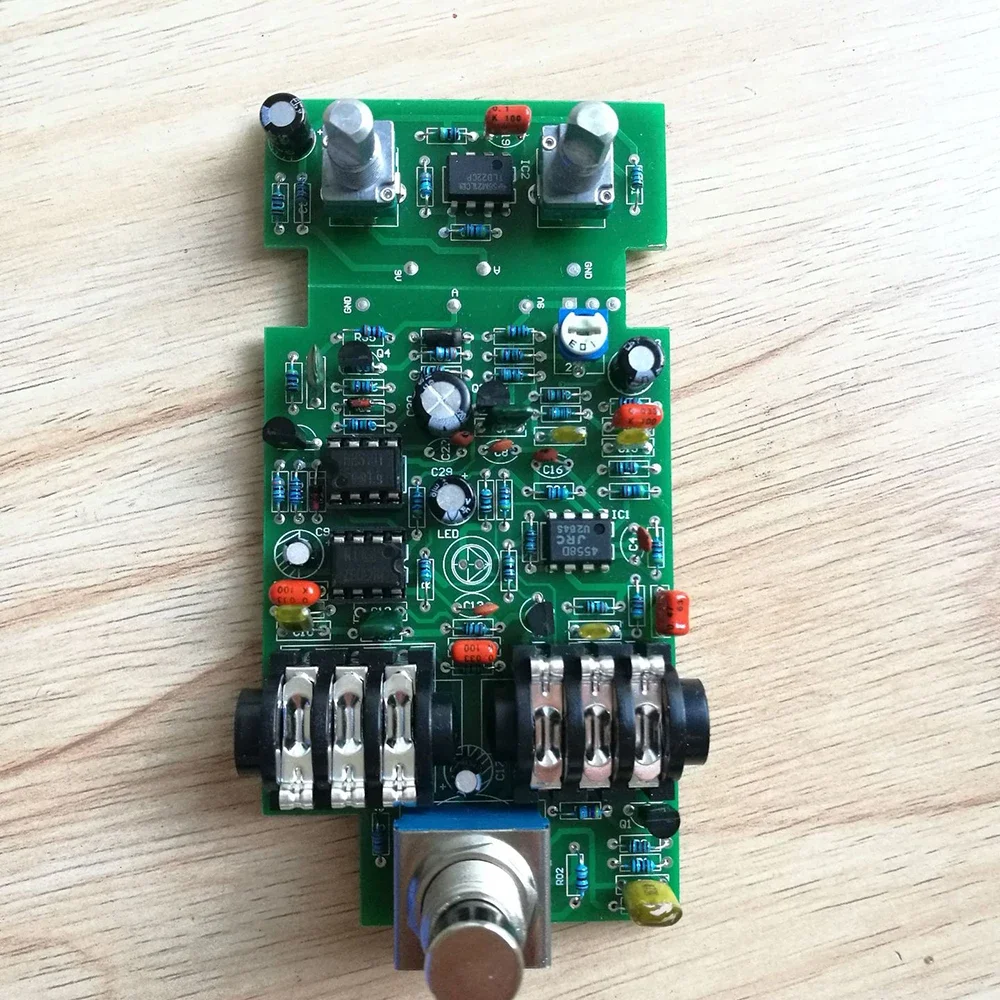
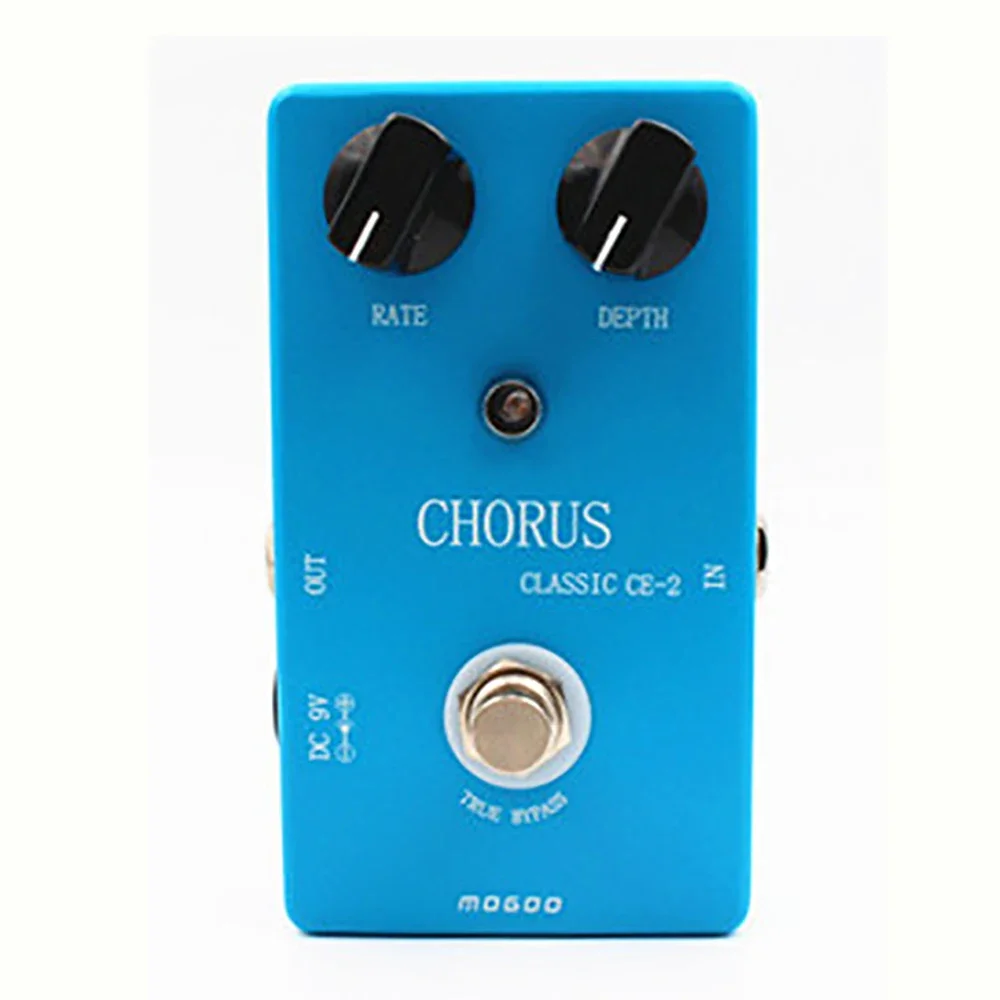



Mosky CE2 CHORUS Pedal Based Chorus True Bypass Accessories True Bypass Guitars
£30.89
The Mosky CE2 CHORUS Pedal Based Chorus True Bypass Accessories True Bypass Guitars is new on JustPedals, and instock direct. MOSKY CE2 CHORUS Guitar Effects Pedal Based Chorus True Bypass Guitar Accessories True Bypass Guitars Acoustic Electric
View Just Mosky
As an affiliate partner, we may earn a small commission when you buy through our links — at no extra cost to you.
Brand
Mosky
In the current JustPedals catalogue, Mosky is represented by Pedal Power Supplies, Power Supplies and Preamps. Current listings include ISO-10, Super Delay and SUPER AMP 4 AMP IN ONE Amplifier Box Amp Simulation. That makes the range relevant to players looking for drive, gain and clipping, plus time-based effects and ambience. Check each model for its exact circuit or processing platform, controls, power requirements and connections, particularly where the catalogue includes both pedals and supporting gear.
Category
Chorus Pedals
Chorus mixes the dry signal with one or more short, continuously modulated delays. The small pitch and timing movement between the paths creates width, shimmer and the impression of several instruments playing together. Rate controls the modulation speed, depth controls its excursion, and delay or mix settings determine whether the result is subtle thickening, a liquid wobble or a broad stereo image.
Guitar Pedals
Guitar pedals are compact devices placed in the signal path to change level, tone, dynamics, pitch, time, modulation or routing. This broad category includes simple analogue effects, digital processors, switching and utility products, so the most important differences are the circuit function and connection method. Check whether a model expects instrument or line level, how it is powered, whether it preserves bass or stereo information, and how its bypass behaves with the rest of the board.
Tags
Acoustic
Voiced for the wider dynamics, strong transient detail and pickup characteristics of acoustic instruments. High input impedance, phase reversal, notch filtering and restrained processing help preserve body resonance while controlling piezo harshness and feedback. Balanced outputs may also carry the corrected signal directly to a mixer or interface.
Chorus
Adds one or more slightly delayed voices whose delay time is continuously modulated. Their small pitch and timing differences thicken the source and create shimmer or stereo width; modulation rate, depth, base delay and mix determine how subtle or liquid the movement becomes.
True Bypass
Connects input directly to output through mechanical or relay switching when the effect is off, removing the active circuit from the audio path. It avoids buffer colour but leaves cable capacitance and switching design to influence high-frequency loss and possible switching noise.
Others Just Ordered :
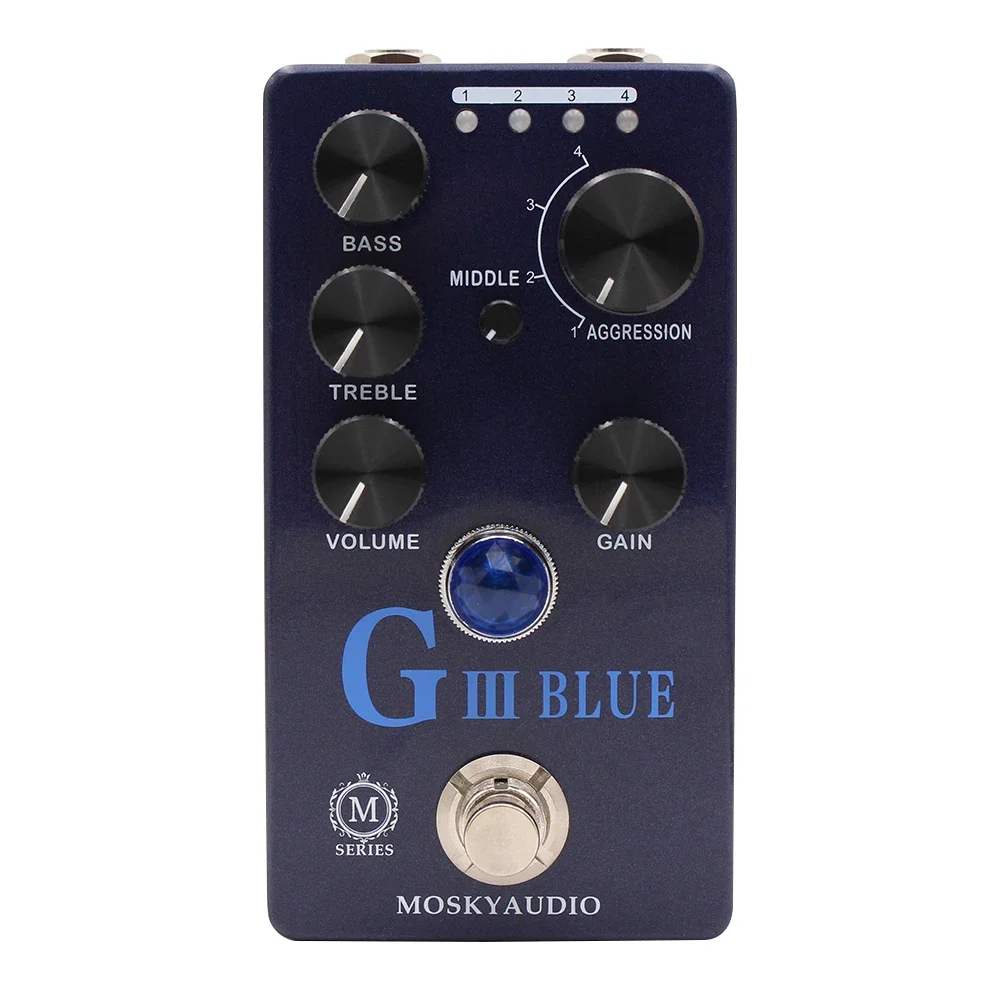 Mosky G III BLUE Overdrive Distortion Preamp Effect Pedal True Bypass for Electric Guitar,Drive Effect Pedal
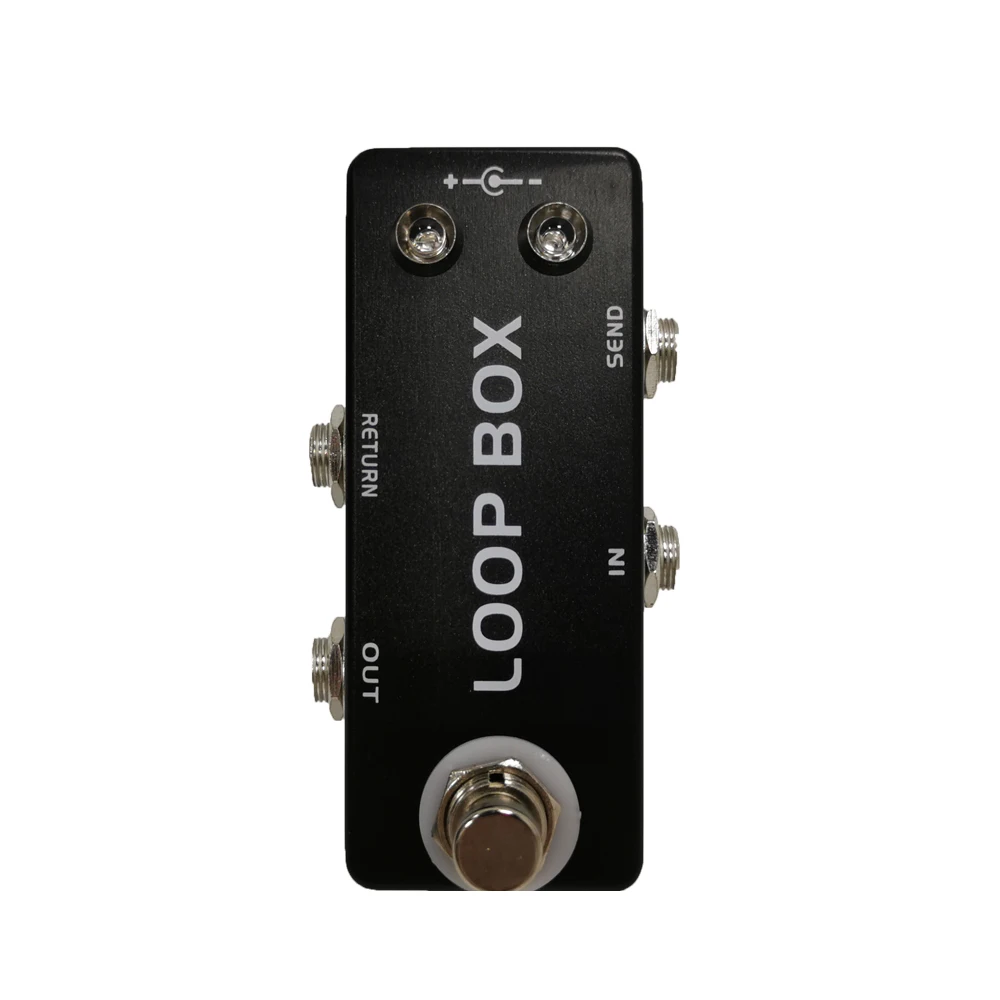 Mosky Loop Box Pedal Switcher Channel Selection True Bypass Parts
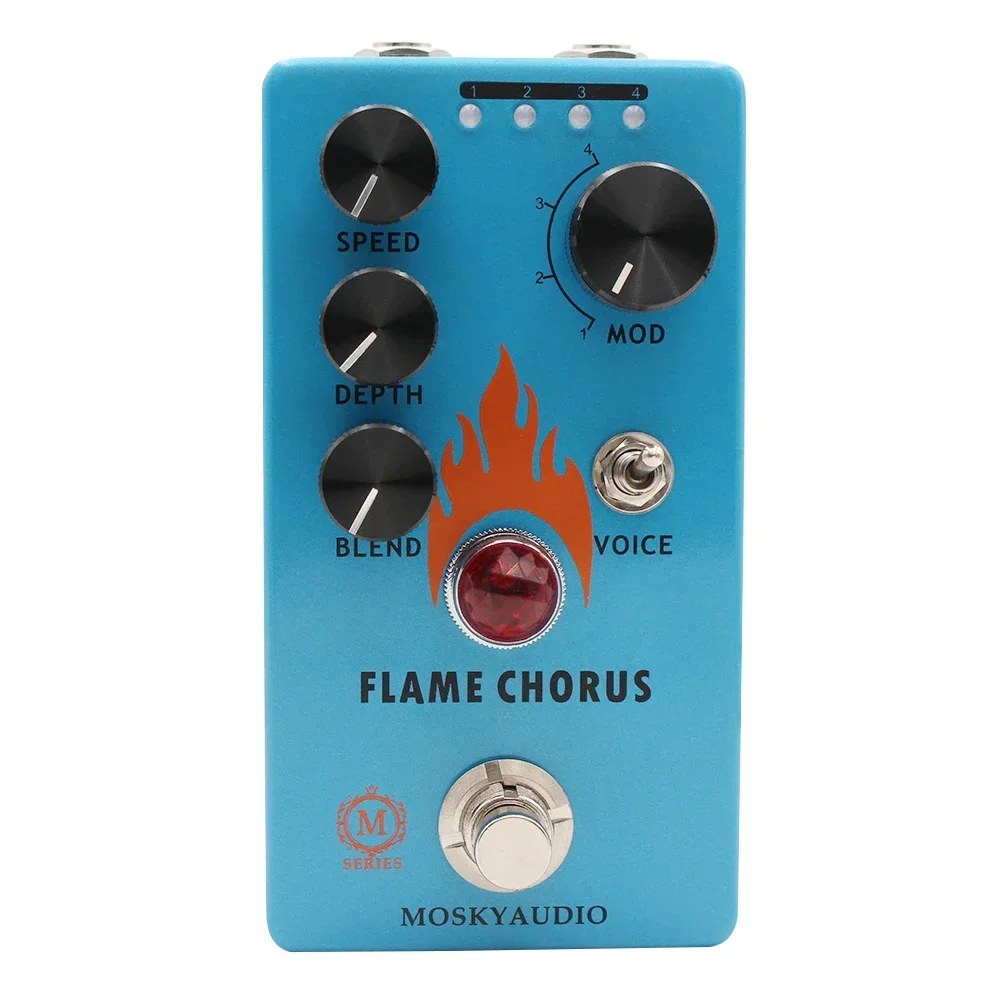 Mosky Flame Chorus Guitar Pedal with Speed/Depth/Blend/Voice Button,4 Modes Chorus Effect Pedal for Electric Guitar
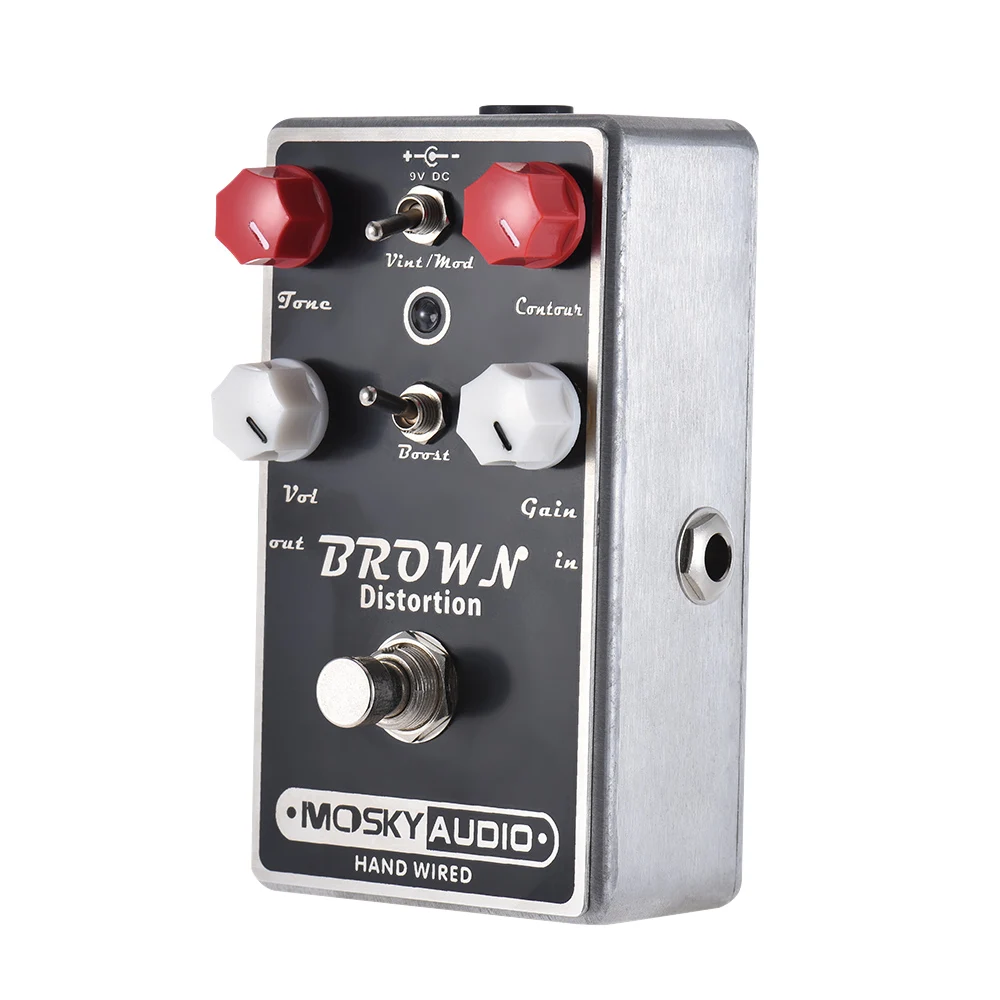 MOSKY Pedal Pedal BROWN DISTORTION Reverb Pedal Power Supply Pedals Clone WAMPLER
- I Love A Happy Accident… – Animals Pedal
- Animals Pedal Vintage Van Driving is Very Fun Overdrive
- Animals Pedal Sunday Afternoon Is Infinity Bender
- Ninevolt Pedals | Bath Time Reverb (Animals Pedal)
- This Fuzz Pedal Makes No Sense… But It Sounds Incredible
- ANIME Pedals | Animals Pedal Custom Illustrated Series