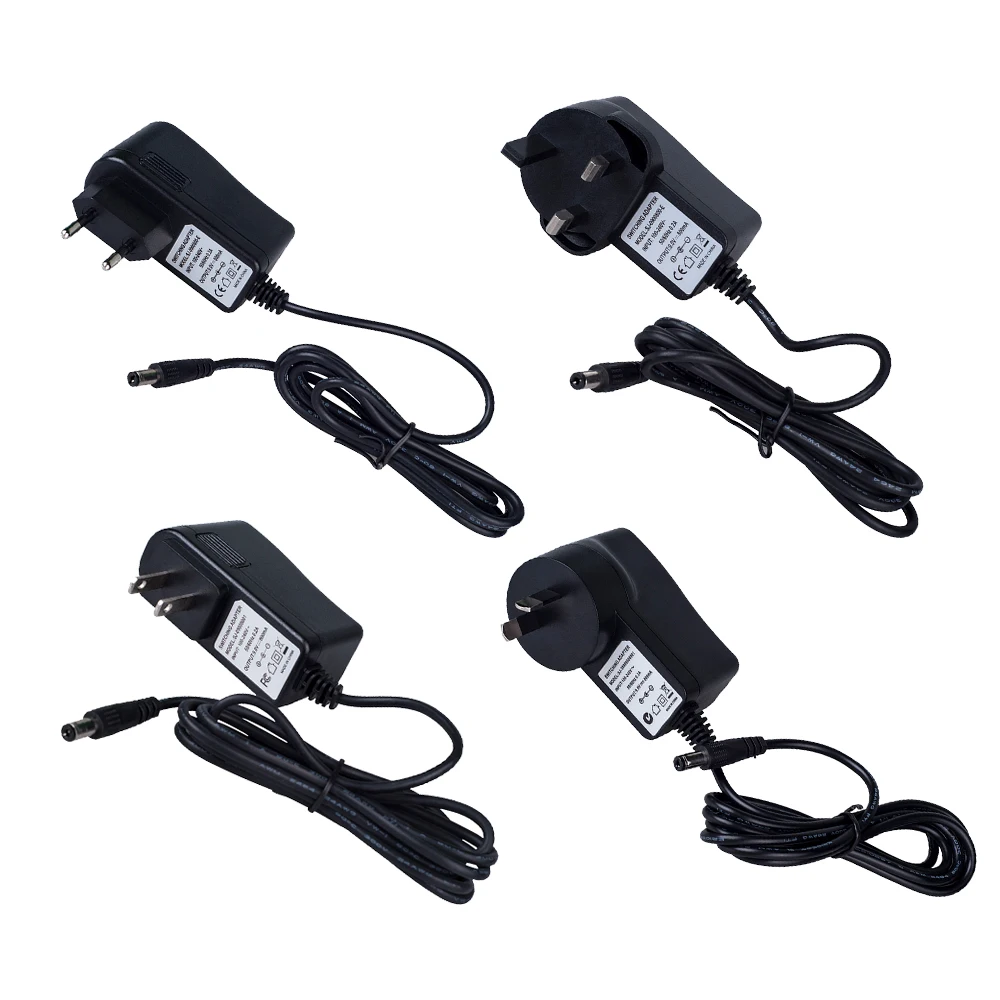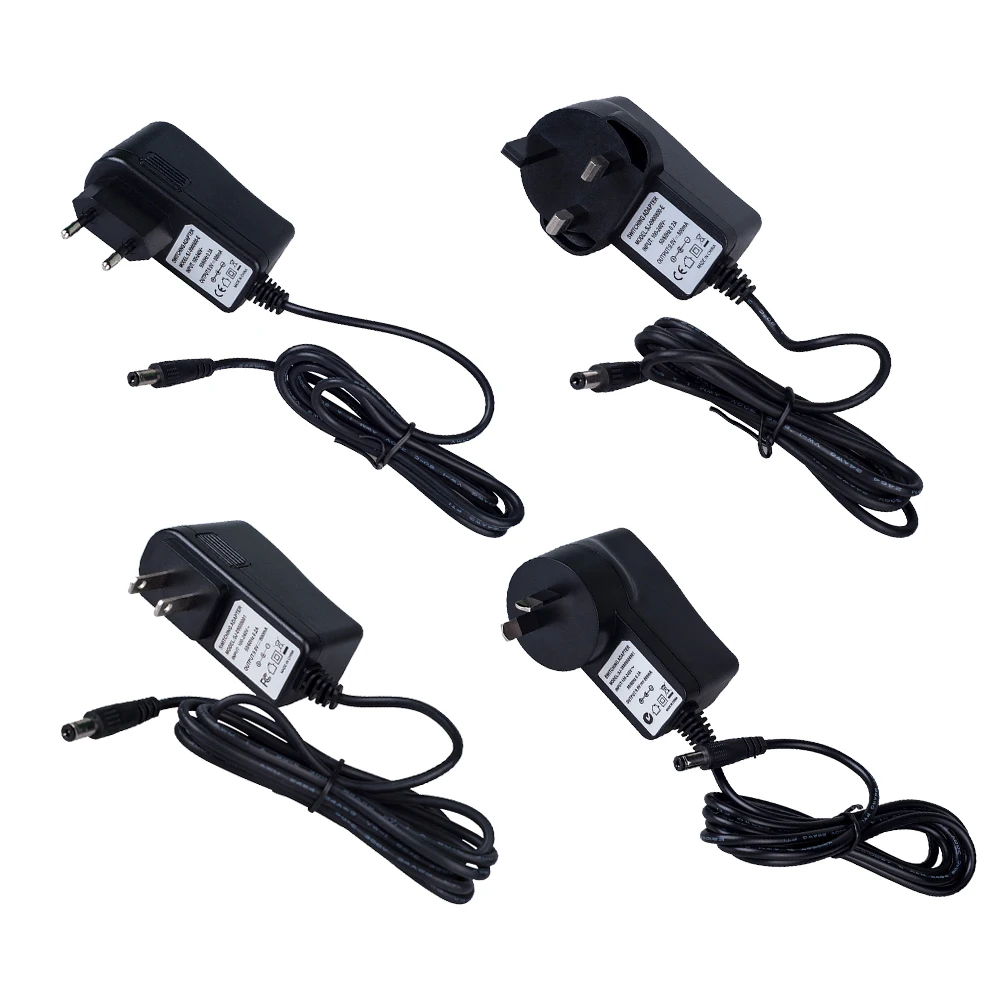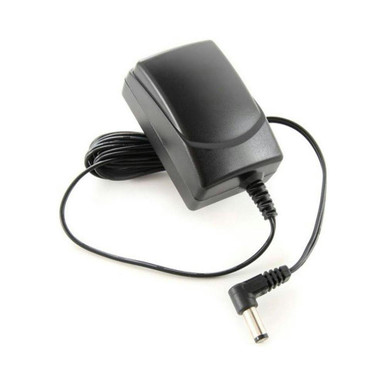
Jim Dunlop ECB003 9v Centre Negative Power Supply (with UK Adapter)

£16.99

This is the Jim Dunlop ECB003 9v Centre Negative Power Supply (with UK Adapter) from Jim Dunlop, listed in Specialist Effects Pedals on Just Pedals. Read More below.

View Just
more
and

This guitar FX pedal power supply is compatible with 90% of guitar pedals however it’s best to double check before buying/using or you could damage your effects unit.

Check on the pedal for a sticker or marker indicating it uses a 9V DC center-negative power supply.

You can also find this information on the manufacturer’s website.

Provides 200mA and is compatible with daisy chains provided there is enough current to cover all of pedals in the chain (and all the pedals in the chain are also 9V DV Center-Negative). Certain pedals will draw more power than others with digital delays usually drawing large amounts while drive pedals draw a relatively small amount.

Related videos

Brand

Jim Dunlop

Jim Dunlop is a prominent American brand known for its production of musical accessories, particularly guitar pedals, tuners, strings, and picks. Established in 1965, Dunlop has built a strong reputation in the music industry, becoming one of the leading manufacturers of gear for guitarists, bassists, and other musicians. The company is especially famous for its iconic Wah pedals, such as the *Cry Baby*, which has been a staple in the rock and metal genres for decades.

In addition to their legendary Wah pedals, Jim Dunlop produces a wide range of other effects pedals, including distortion, overdrive, delay, reverb, and compression pedals, all known for their durability and high-quality performance. Dunlop’s products are used by musicians across various genres and are prized for their consistency, innovative features, and ease of use. Beyond pedals, Jim Dunlop is also well-regarded for its guitar strings, picks, and other accessories, making it a trusted name in the world of musical gear.

Category

Specialist Effects Pedals

Specialist effects alter the signal in ways that do not sit cleanly inside one established family. They may use granular processing, frequency shifting, resonators, freeze or sustain, bit reduction, ring modulation, feedback networks or combinations of several techniques. The relevant distinction is the underlying process, its tracking or latency, and how completely the dry signal can be blended or replaced.

Tags

Digital

Converts the signal or control process into numerical data for algorithmic processing. Digital designs can provide precise timing, long memory, complex routing and repeatable presets; sample rate, conversion, internal resolution and latency influence fidelity and response.