Brand
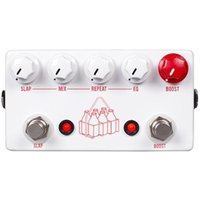
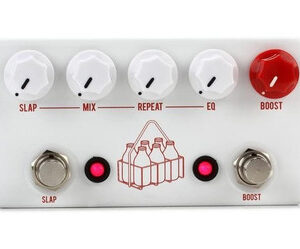
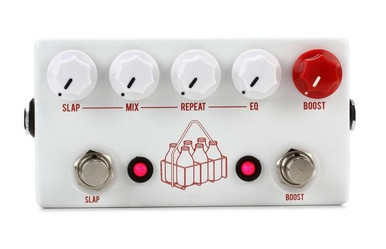
JHS Pedals is a prominent manufacturer of guitar effects pedals, known for their high-quality craftsmanship, innovative designs, and commitment to tone. Founded in 2007 by Josh Scott in Kansas City, Missouri, JHS Pedals has quickly gained a reputation for producing boutique-quality pedals that cater to a wide range of musical styles and preferences.
JHS offers a diverse lineup of effects pedals, including overdrive, distortion, fuzz, modulation, delay, reverb, and more. The company is known for its meticulous attention to detail and dedication to producing pedals that deliver exceptional tone and versatility. Many of their pedals are designed to capture the tones of classic vintage effects while incorporating modern features and improvements.
In addition to their standard pedal lineup, JHS Pedals also offers a range of signature pedals in collaboration with renowned artists and musicians. These pedals are designed to meet the specific needs and preferences of the artists, providing them with unique tones and features for their playing style.
With a commitment to innovation and a passion for tone, JHS Pedals continues to be a trusted name in the guitar effects industry, providing musicians with inspiring tools to shape their sound and creativity.
Category
A boost raises signal level without deliberately creating a new effect waveform. Clean boosts emphasise level and headroom, while coloured boosts reshape bass, midrange or treble and may add mild clipping at higher settings. Placed before a gain stage, the extra level changes how that stage distorts; placed later, it can provide a volume lift if sufficient headroom remains.
Tags
The signal is shaped by continuously varying electronic circuitry rather than being converted into a digital effect algorithm. Component choice, operating voltage and circuit tolerances influence headroom, noise, clipping texture and the small variations in response between designs.
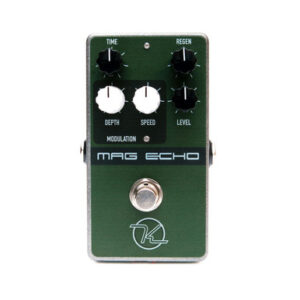
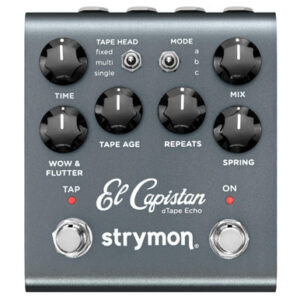
Creates one or more time-separated copies of the signal. Delay time sets their spacing, feedback determines how many repeats continue, and filtering, modulation or saturation decides whether successive echoes remain clean, darken, wobble or break apart.