
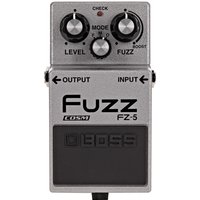
The Boss FZ-5 Fuzz Effects Pedal is a modern fuzz designed for the guitarists of today but delivers the purely retro fuzz soundscapes of yesteryear. Inspired by three famous fuzz pedals from the 60s the FZ-5 recreates each classic effect with its state-of-the-art COSM technology providing the vintage warmth that made up so much of their character. The three selectable modes correlate to each legendary fuzz: F for a certain face-shaped fuzz M for the FZ-1 Maestro and O for Hendrixs favourite the Octavia. If that wasnt enough the Boss Fuzz Pedal also includes a boost control allowing you to dial up the aggression for fuzzed out madness. With its roadworthy metal construction making it ideal for touring musicians the Boss FZ-5 Fuzz Effects Pedal is the perfect weapon to give your sound extra helpings of retro fuzz.
Boss FZ-5 Fuzz Effects Pedal
This is a New Boss FZ-5 Fuzz Effects Pedal from Boss its found in our Fuzz Pedals on the Just Pedals menu. Read More below.
As an affiliate partner, we may earn a small commission when you buy through our links — at no extra cost to you.
Related videos

Brand
Boss
BOSS began in Osaka in 1973 as MEG Electronics, a company dedicated to effects. Its first BOSS-branded effect was the CE-1 Chorus Ensemble in 1976; the OD-1, SP-1 and PH-1 launched the compact-effects series in 1977. The JustPedals catalogue includes familiar overdrives and distortions such as the OD-3, SD-1, BD-2, DS-1 and MT-2 Metal Zone, as well as utility items such as the PCS-20A cable. BOSS now spans compact pedals, multi-effects, loopers, tuners and controllers. Manufacturing origin should be checked by model rather than inferred from the brand’s Japanese history.
Category
Fuzz Pedals
Fuzz drives the signal into extreme clipping, often flattening the waveform and generating a thick spectrum of harmonics. Transistor type, bias, input loading and tone filtering create markedly different responses, from loose and velvety to gated, spluttering or octave-rich. Some circuits interact strongly with pickup impedance and guitar volume, while others include buffers or blends for a more consistent response.
Others Just Ordered :
- I Love A Happy Accident… – Animals Pedal
- Animals Pedal Vintage Van Driving is Very Fun Overdrive
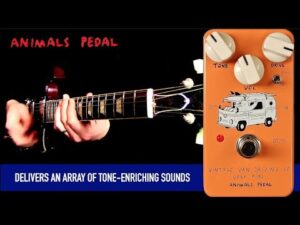
- Animals Pedal Sunday Afternoon Is Infinity Bender
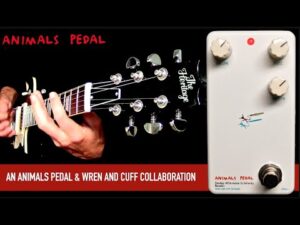
- Ninevolt Pedals | Bath Time Reverb (Animals Pedal)
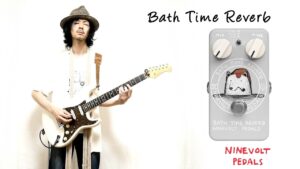
- This Fuzz Pedal Makes No Sense… But It Sounds Incredible

- ANIME Pedals | Animals Pedal Custom Illustrated Series