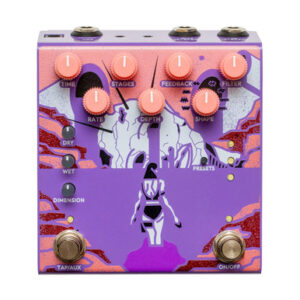
Old Blood Noise Endeavors Bathing liminal Delay Pedal in Ink

£349.00

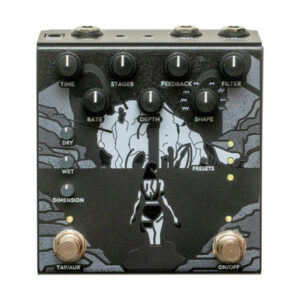
This is the Old Blood Noise Endeavors Bathing liminal Delay Pedal in Ink from Old Blood Noise Endeavors, listed in Delay Pedals on Just Pedals. Read More below.

View Just
more
and , , , ,

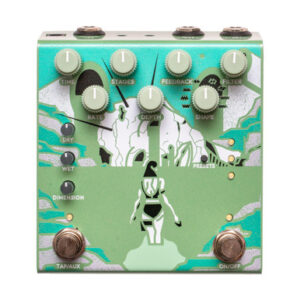
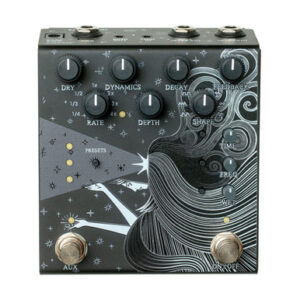
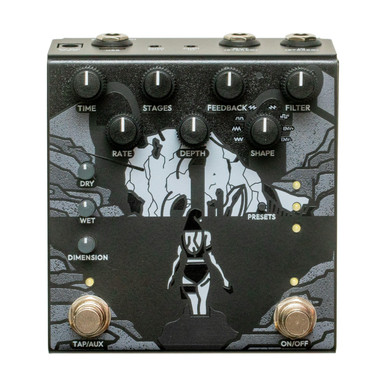
Taking inspiration from OBNE’s “phase repetition” in their Dweller pedal, Bathing takes this difficult-to-describe effect and highlights all its magical features through a wide control set, low noise floor and an expansive stereo field.

With features like MIDI, expression control and presets, to store and recall your favourite Liminal Delay sounds, Bathing allows you embark on a sonic adventure, only to then find it to be your new home.

Key Features

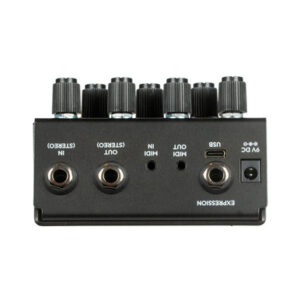
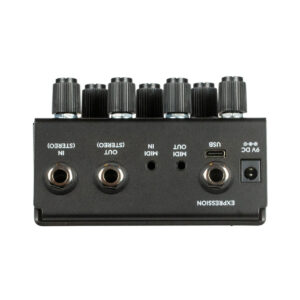
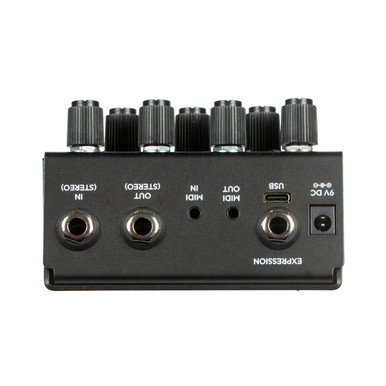
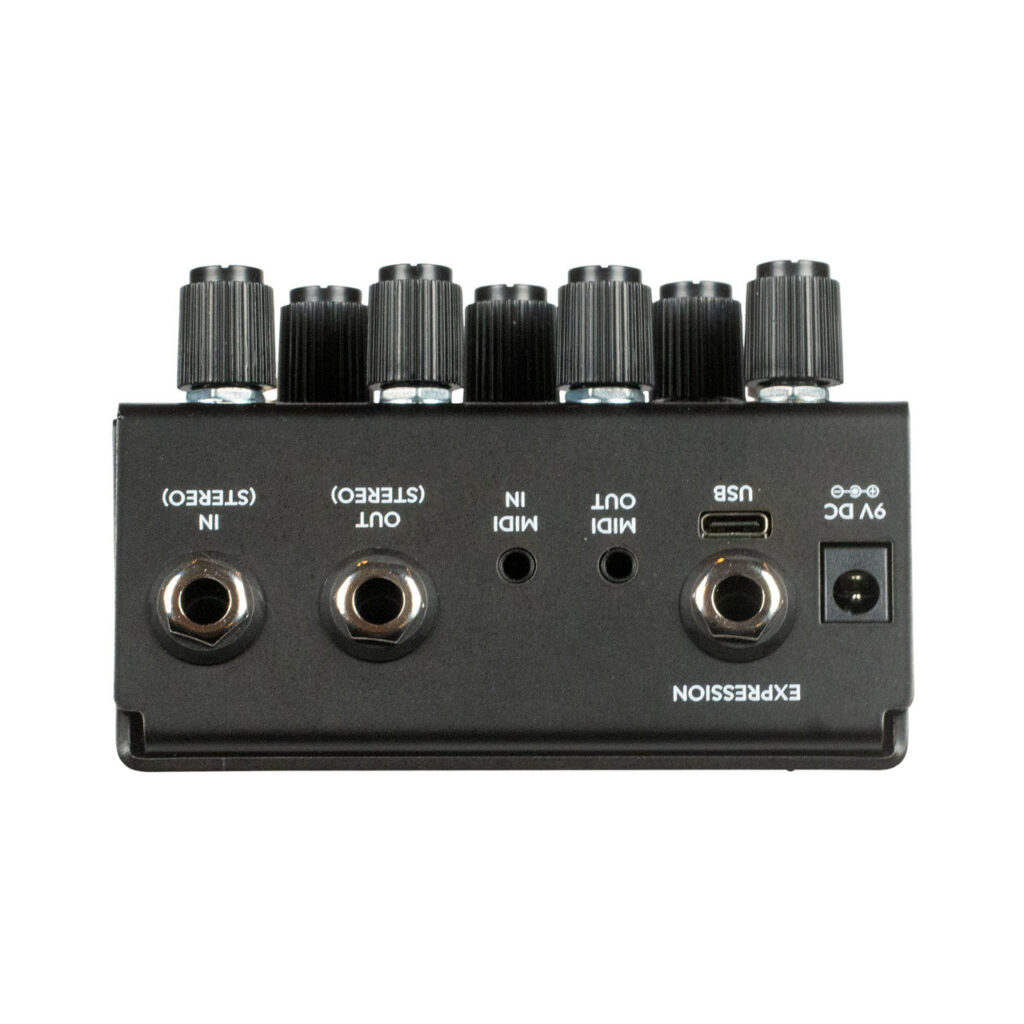
  • Stereo Input and Output, with the option for Mono or Mono-in-Stereo-out routing
  • Dedicated knobs to control Central Delay Time, Tone and Feedback
  • Additional controls for the number of Stages the delay passes through, including the Rate, Depth and Shape of the modulating character of those stages
  • Independent controls for dry and wet volume
  • Separate subtle Stereo Chorus control
  • Analog Dry-Through
  • Expression and MIDI control over all parameters
  • MIDI clock I/O for external temp syncing
  • Onboard Presets, plus control via MIDI
  • Selectable Buffered Trails or True Bypass modes
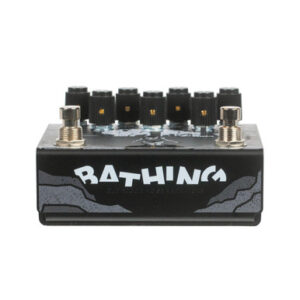
  • Top-mounted Jacks and Soft-Touch Switching
  • Hand-made in Oklahoma, USA
  • Available in 3 Colourways – Algae (standard), Orchid and Ink
  • Powered by (opt.) 9 V DC PSU (centre -, 2.1 mm, ~ 350 mA current draw, not included)

The Bathing Sound

The core sound of Bathing is determined by a central delay line, divided into many stages called “all-pass filters”. The Time control sets the central delay time.   Use the Stages control to set the number of all-pass stages that the delay runs through, from anything between two to twelve stages. At shorter time settings, this increases the intensity of the phase/flange effect.

At medium or longer time settings, more repeats are created both before and after the central delay time.

Adaptive Trails & Increased Resonance

Feedback sets the feedback of the delay, taking the output and feeding it back into the input. This can create longer trails and increased resonance. The Filter applies a combination of low pass and high pass filtering to the output of the delay, as well as the delay feedback loop, with the darkest sound to the left and the brightest sound to the right.

Creative LFO Settings

The LFO affects the character of the delay repeats. When Time is very short, it acts like a modulation effect (think phaser or flanger). When Time is set longer, it moves anywhere from a single repeat at the central delay time out to a scattering of many diffused repeats around that time. In Mono-in, Stereo-out or full Stereo modes, the LFO is offset on the left and right to create a variety of stereo effects. 
Brand

Old Blood Noise Endeavors

Old Blood Noise Endeavors is a pedal manufacturer known for its creative and unconventional effects. Their pedals are designed to push the boundaries of traditional sound, often combining distortion, delay, and modulation effects in innovative ways. One example is their *Beam Splitter* pedal, which takes a single input signal and splits it into three different versions with varying delay times and overdrive tones. This results in a larger, more textured sound, ideal for those looking to create unique sonic landscapes. Their pedals also feature expressive controls such as Deviate, which introduces natural variations to delay times for a more organic feel.

Old Blood Noise Endeavors is also recognized for its distinctive pedal designs and collaboration with various artists, showcasing their commitment to producing high-quality, experimental tools for musicians. Their pedals are popular for both live performances and studio work, offering a range of effects from fuzz to reverb, each with a creative twist. This brand stands out for its bold approach to sound manipulation, making it a favourite among experimental musicians and those seeking to expand their sonic palette.

Category

Delay Pedals

Delay records the incoming signal for a chosen interval and repeats it after the original note. Feedback returns repeats to the delay line, while tone, filtering, modulation and saturation determine whether echoes remain clear, darken progressively, wobble like tape or degrade like analogue bucket-brigade circuits. Delay time and rhythmic subdivisions govern the spacing and musical pattern of the repeats.

Tags

Analogue

The signal is shaped by continuously varying electronic circuitry rather than being converted into a digital effect algorithm. Component choice, operating voltage and circuit tolerances influence headroom, noise, clipping texture and the small variations in response between designs.

MIDI

Sends, receives or responds to Musical Instrument Digital Interface messages rather than carrying the instrument audio itself. Program changes recall presets, continuous controllers move parameters, and MIDI clock or transport messages synchronise timing between devices.

Presets

Stores complete groups of parameter values for later recall. The number of locations, switching time, spillover behaviour and whether presets include routing, expression and MIDI assignments determine how completely one sound can change into another.

Stereo

Processes, creates or passes two audio channels. True stereo preserves separate left and right inputs, while mono-to-stereo effects generate spatial differences internally; routing, phase behaviour and whether trails remain stereo determine the resulting image. Some outputs sum to mono when only one socket is connected, which can change level or modulation depth.

True Bypass

Connects input directly to output through mechanical or relay switching when the effect is off, removing the active circuit from the audio path. It avoids buffer colour but leaves cable capacitance and switching design to influence high-frequency loss and possible switching noise.