
Here's What Hotone Say About the Binary Eko
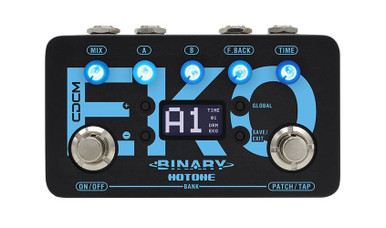
Grown out of next-generation XTOMP technology, the Hotone Binary Series lets loose versatile pro-level effects in compact cases. Based on the same modeling/original effect library that amazed XTOMP users worldwide, Binary Series are dedicated to gather a bunch of high quality effects in a box with more affordable, competitive price. They feature compact casing, dual-footswitch design, versatile inputs/outputs and bright, clear OLED display, which blur the line between “classic pedals” and multi-effects.
At the core of all Binary Series pedals, a powerful dual-DSP platform and CDCM (Comprehensive Dynamic Circuit Modeling) modeling system ensure a realistic playing experience. The CDCM system is built on an extremely complex dynamic variation matrix, able to realistically express every detailed change that occurs during the operational process of actual circuitry: Everything is ALIVE and performs like its original.
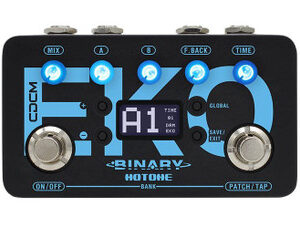
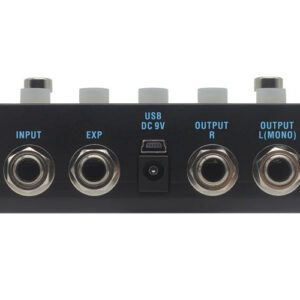
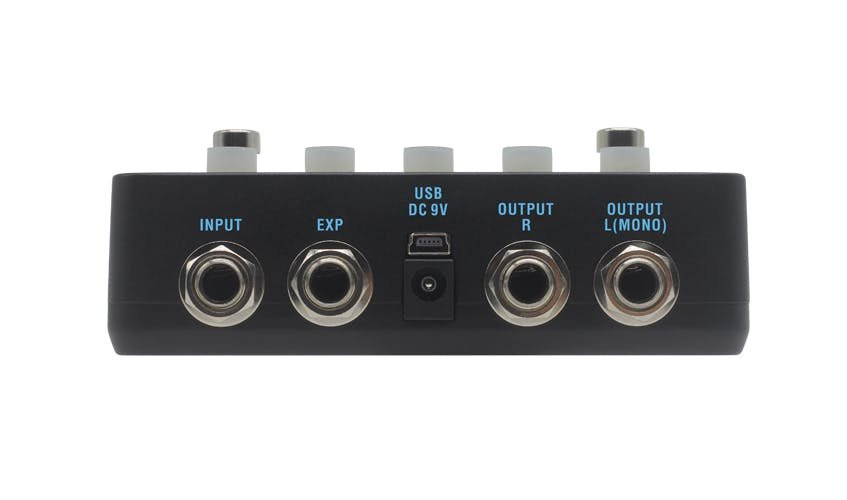
The Binary Eko is a delay effects pedal with stereo I/O and expression pedal support for delivering authentic classic, as well as a new and inspiring Hotone original delay sounds. 17 high-quality delay effects types include analog, digital, tape, dual, ping pong, filtered, modulated, slap back and more.
Features:
- Compact, easy-to-use dual-footswitch delay effects pedal
- Advanced CDCM modeling system ensures realistic playing experience
- Dual DSP-powered platform ensures high sound quality
- 24-bit A/D/A conversion, up to 110dB S/N ratio
- 17 high-quality delay effects, including CDCM-based classics and Hotone originals
- Variable maximum delay time ranging from 1000–4000ms
- Tap Tempo function
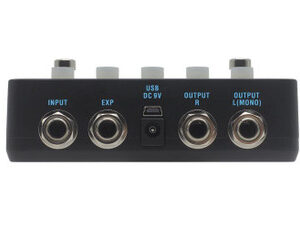
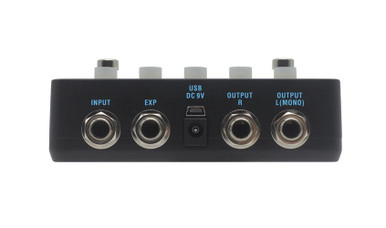
- Stereo I/Os
- EXP jack for expression pedal control
- USB jack for firmware upgrading and loading/managing effects via free Mac/PC software
- 10 presets (5 presets x 2 banks)
- OLED screen with clear display
- Pure Analog Buffered Bypass switching with flat frequency response
- Five translucent knobs with LEDs
Specifications
- Numbers of Effects: 17 (For full list see here)
- Numbers of Patches: 10 (2 banks x 5 patches)
- Max. Delay Time: 4000ms
- Digital Processing: 24-bit A/D/A conversion, 44.1 kHz sample rate
- Frequency Response: 20 Hz-20 kHz
- S/N Ratio: Up to 110dB
- Input Impedance: 1M Ohms
- Output Impedance: 100 Ohms
- Power Requirement: DC 9V, center negative
- Current Consumption: 200mA minimum
- Dimensions: 121mm (D) x 72mm (W) x 47mm (H)
- Weight: 340g