
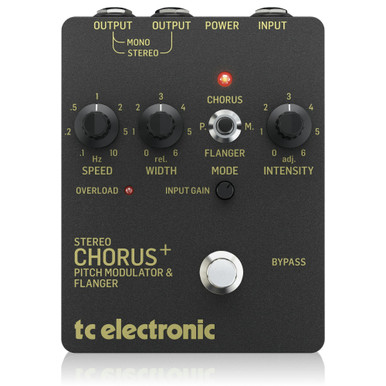
Just pedals are excited to share the latest New Chorus Pedals by TC Electronic, the TC Electronic SCF GOLD Stereo Chorus Flanger Pedal Limited Edition Chorus Pedals is a great Chorus choice for new and experienced guitarists alike.. Read More below for more images, videos and latest UK prices from the TC Electronic brand, delivered by a UK retailer, with warranty & more. The TC Electronic SCF GOLD Limited Edition is a reissued and remade version of their very first effects pedal. In 1976 TC Electronics founders were frustrated with the noise floor of effects pedals on the market struggling to fit them into their music so they decided to make their own design. This is how the original SCF pedal was born and its beautiful dreamy sound quickly became a mainstay in studios and on the pedalboards of world-famous artists. Praised for its noise-free transparent character the SCF is a classic analog modulation effect. Now with the SCF Gold Limited Edition you can get this legendary effect in your setup new and improved in a small and rare batch that comes with a 9V DC power supply and unique gold chrome design. An exhaustively accurate reissue of the original circuitry the SCF Gold gives you the same wide swirling character that made the first SCF so sought after. With incredible headroom for high dynamic range a redesigned analog preamp for an improved low-frequency response and a staggeringly low noise floor the SCF Gold takes the original unit and builds on top of it for a more greatly improved experience. Get broad subtly sweeping sound for a rich stereo sound field or fast-paced wobbly character for your sounds out of this versatile modulator.
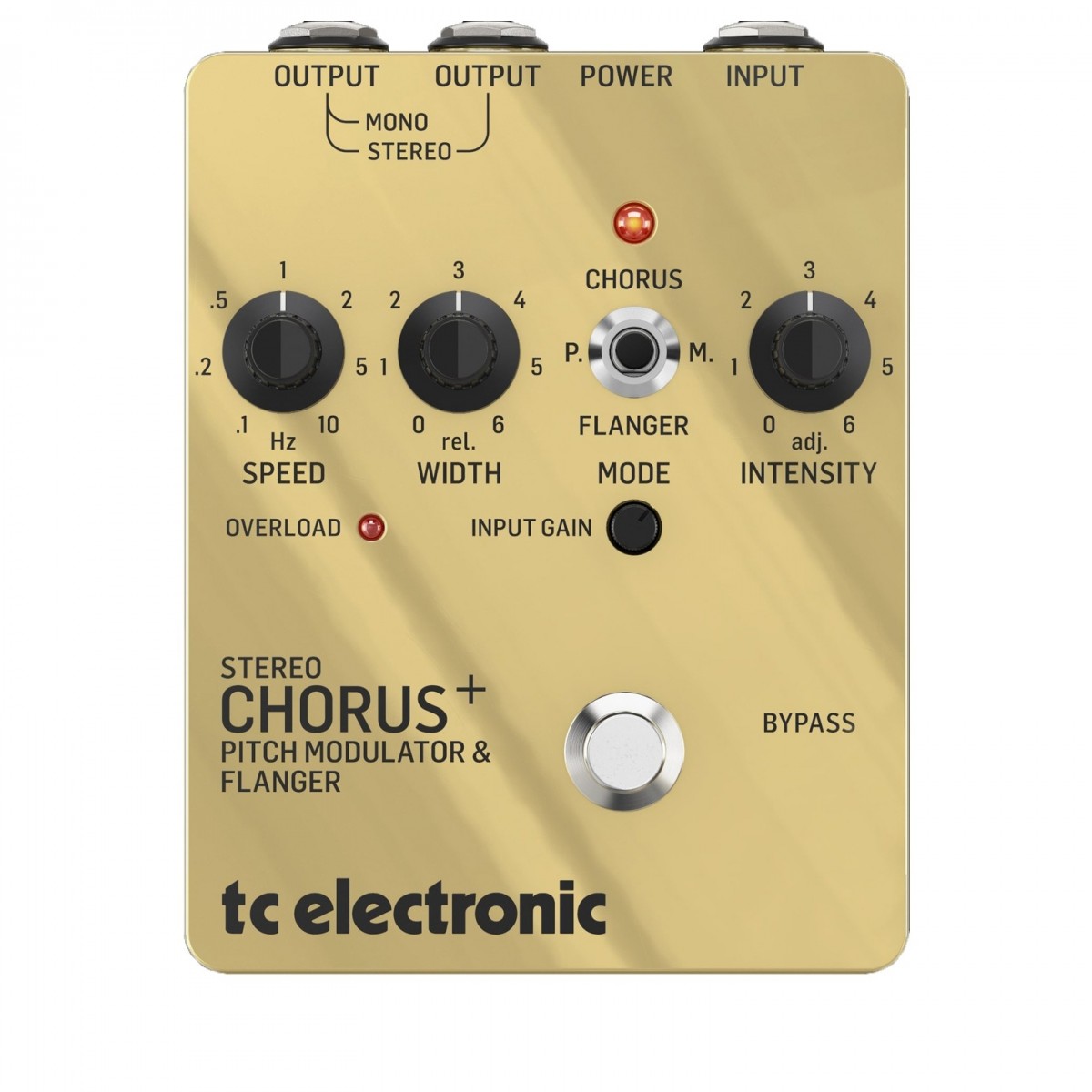
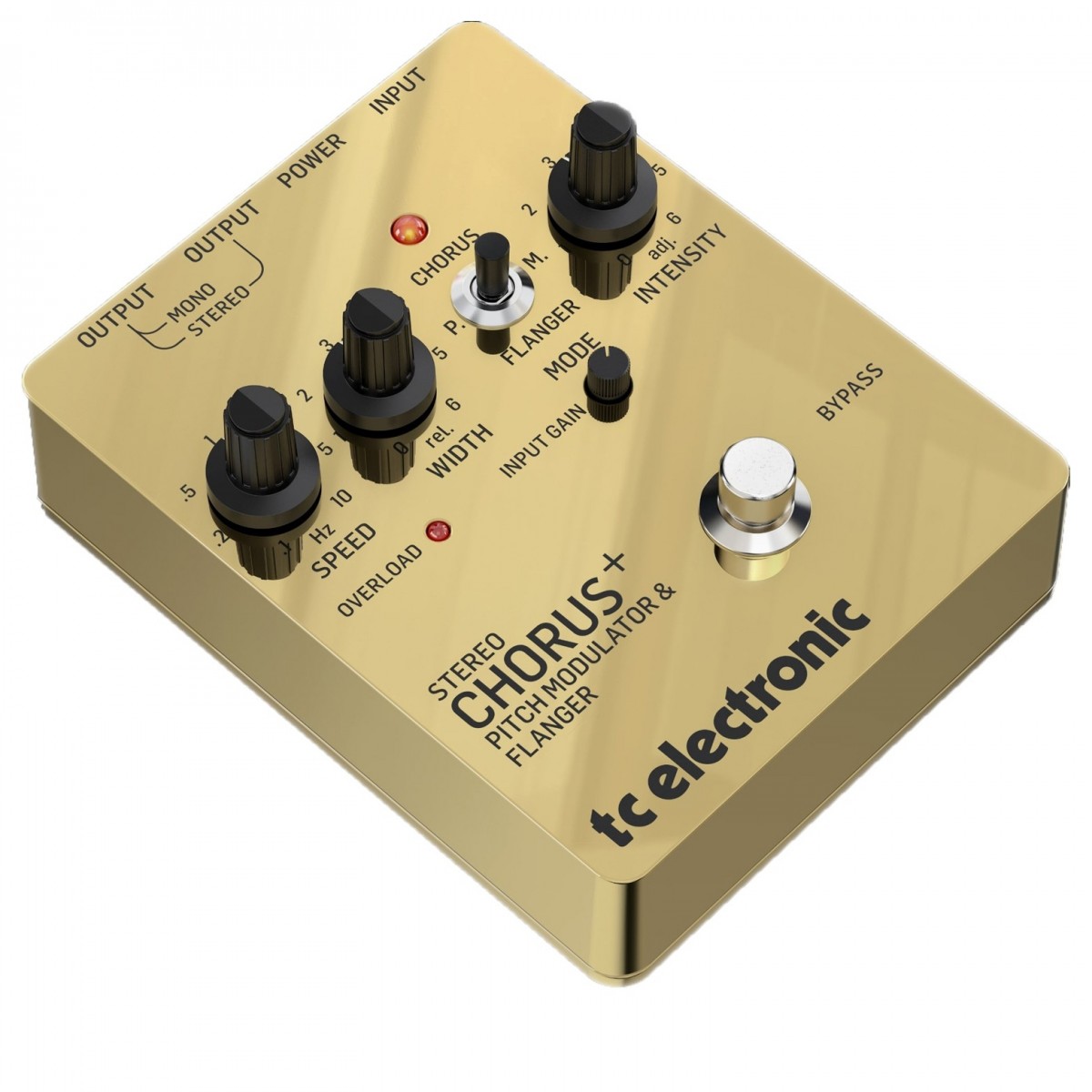
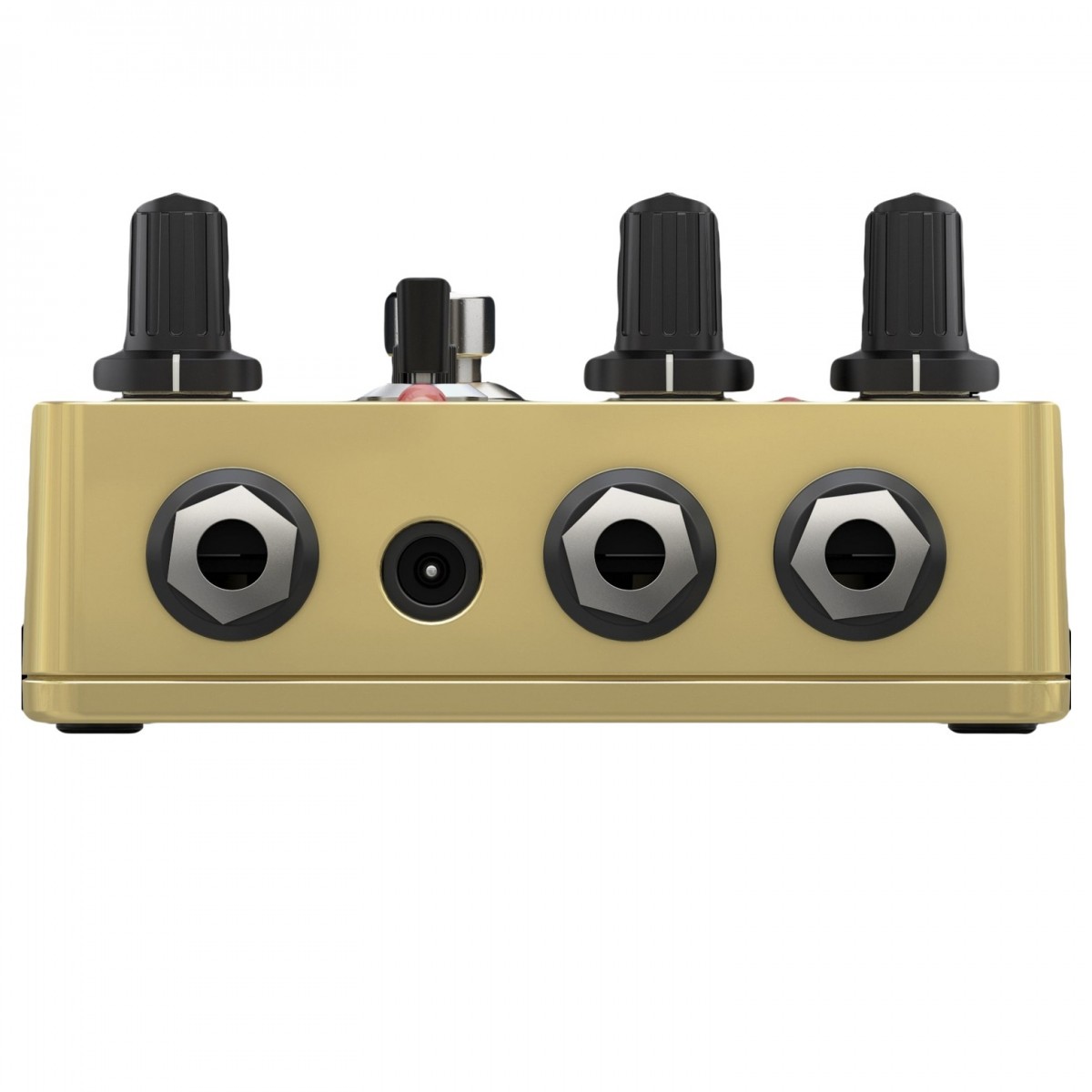
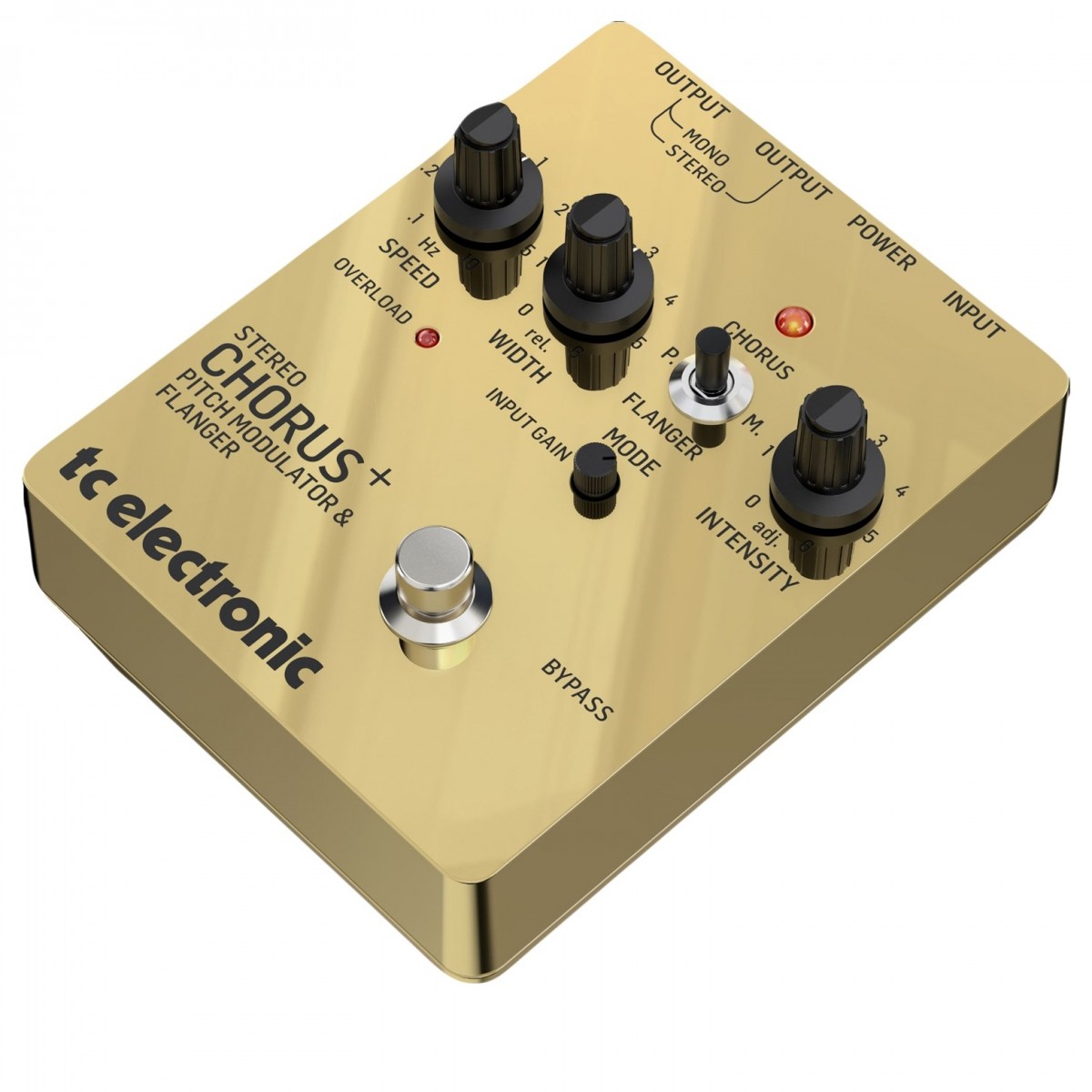
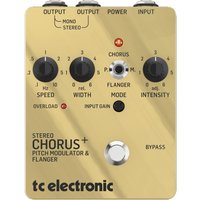
TC Electronic SCF GOLD Stereo Chorus Flanger Pedal Limited Edition
Just pedals are excited to share the latest New Chorus Pedals by TC Electronic, the TC Electronic SCF GOLD Stereo Chorus Flanger Pedal Limited Edition Chorus Pedals is a great Chorus choice for new and experienced guitarists alike.. Read More below for more images, videos and latest UK prices from the TC Electronic brand, delivered by a UK retailer, with warranty & more.
As an affiliate partner, we may earn a small commission when you buy through our links — at no extra cost to you.
Related videos
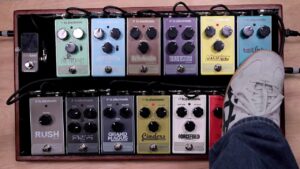
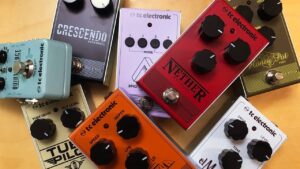
Brand
TC Electronic
TC Electronic are known for innovative, studio-quality effects that combine great tone with modern technology. Founded in Denmark, they’ve shaped the sound of countless players with classics like the Hall of Fame Reverb, Flashback Delay, and Ditto Looper. Their gear is built for reliability and ease of use, offering a range of features that include lush ambient effects and precise tone shaping. Whether on stage or in the studio, TC Electronic deliver professional sound and creative flexibility trusted by musicians worldwide.
TC Electronic’s product lineup includes a wide range of guitar effects pedals known for their pristine sound quality, versatility, and cutting-edge features. From classic effects like delays, reverbs, and choruses to more experimental and unique pedals, TC Electronic offers a comprehensive selection to suit a wide range of playing styles and preferences.
Category
Chorus Pedals
Chorus pedals thicken your guitar sound by blending the dry signal with a slightly delayed and modulated copy. The result can range from a gentle shimmer to a wide, lush, 1980s-style modulation effect that makes clean tones feel bigger and more spacious.
They are often used on clean arpeggios, jangly rhythm parts, fretless-style bass tones and dreamy ambient passages. A chorus pedal is a great choice if you want movement, width and a more polished sound without completely changing the character of your playing.
Flanger Pedals
Flanger pedals create a sweeping, jet-like modulation effect by mixing your dry guitar signal with a short delayed signal that moves over time. The sound can be subtle and metallic, or dramatic and whooshing depending on the speed, depth and feedback settings.
Flangers are useful for classic rock, post-punk, new wave, metal and experimental textures. They can add motion to clean chords, intensity to distorted riffs and a distinctive swirling character that stands apart from chorus and phaser effects.
Tags
Chorus
Chorus pedals create the illusion of multiple guitars playing together by blending the dry signal with a subtly modulated duplicate. The result ranges from gentle shimmer and width through to lush swirling modulation associated with classic 1980s guitar tones.
Chorus remains popular for clean arpeggios, ambient textures, fretless-style bass sounds and atmospheric rhythm playing. Stereo chorus pedals can create especially wide and immersive sounds.
Flanger
Flanger pedals and related effects are commonly used by guitarists looking to shape their tone in a more focused and creative way. Different designs offer their own response, feel and tonal character depending on the style of music and the type of amplifier or guitar being used.
Many players build pedalboards gradually over time, combining different effects and utilities to create a setup that suits their own sound and workflow. Flanger related gear can play an important role in both live performance and studio recording.
Stereo
Stereo guitar pedals process left and right audio channels separately, creating a wider and more spacious sound than a standard mono setup. Stereo delay, reverb and modulation effects are especially popular for ambient, cinematic and modern live rigs where depth and movement are an important part of the tone.
Running a stereo setup can dramatically change the feel of a guitar rig, particularly through two amplifiers, studio monitors or headphones. Ping-pong delays, wide choruses and immersive reverbs all benefit from stereo operation and can create a much larger soundstage.
Others Just Ordered :
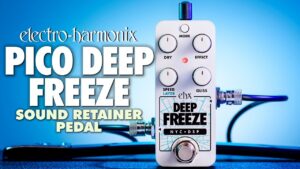
- Electro-Harmonix PICO DEEP FREEZE Sound Retainer / Sustainer (EHX Demo by JON SKIBIC)
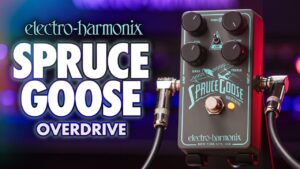
- Electro-Harmonix SPRUCE GOOSE Overdrive (EHX Demo by TOM BURDA)
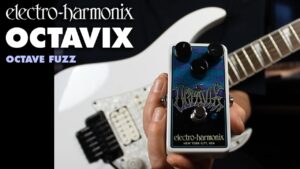
- Electro-Harmonix Octavix Octave Fuzz Pedal (Demo by Bill Ruppert)
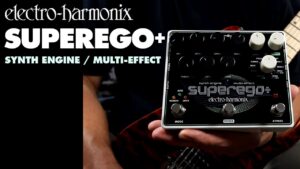
- Electro-Harmonix Superego+ Synth Engine / Multi-Effect Pedal (Demo by Bill Ruppert)
- EHX Pico Series! Classic Pedals In a Micro Format!
- Electro Harmonix Pedals You Have Never Heard Of