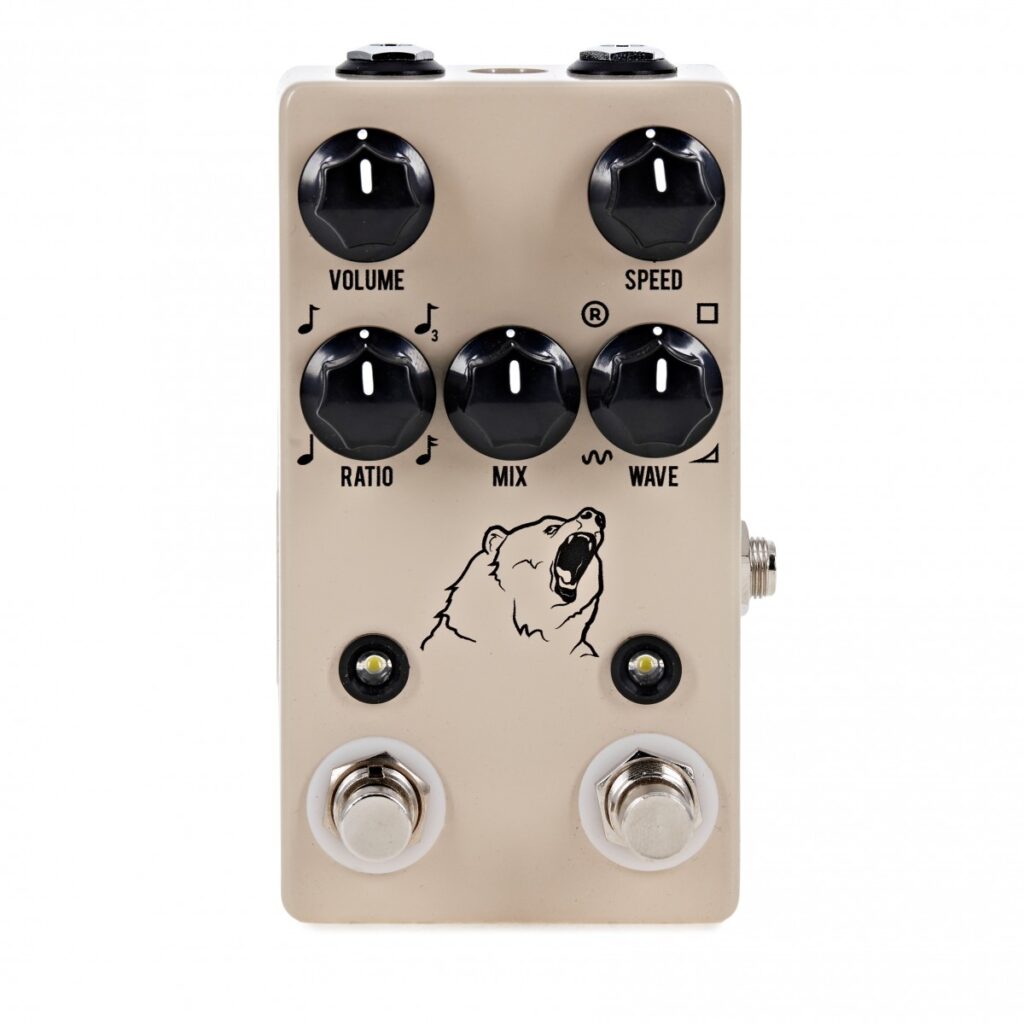
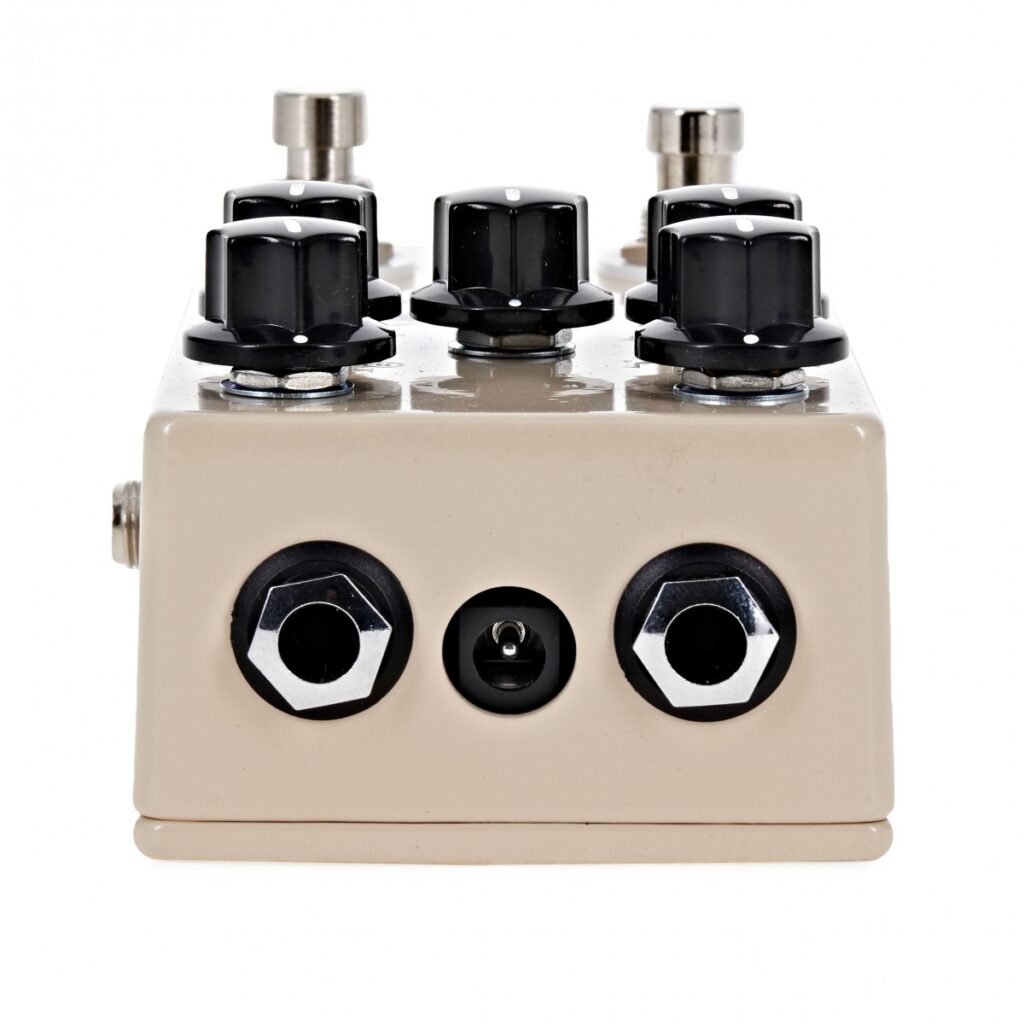
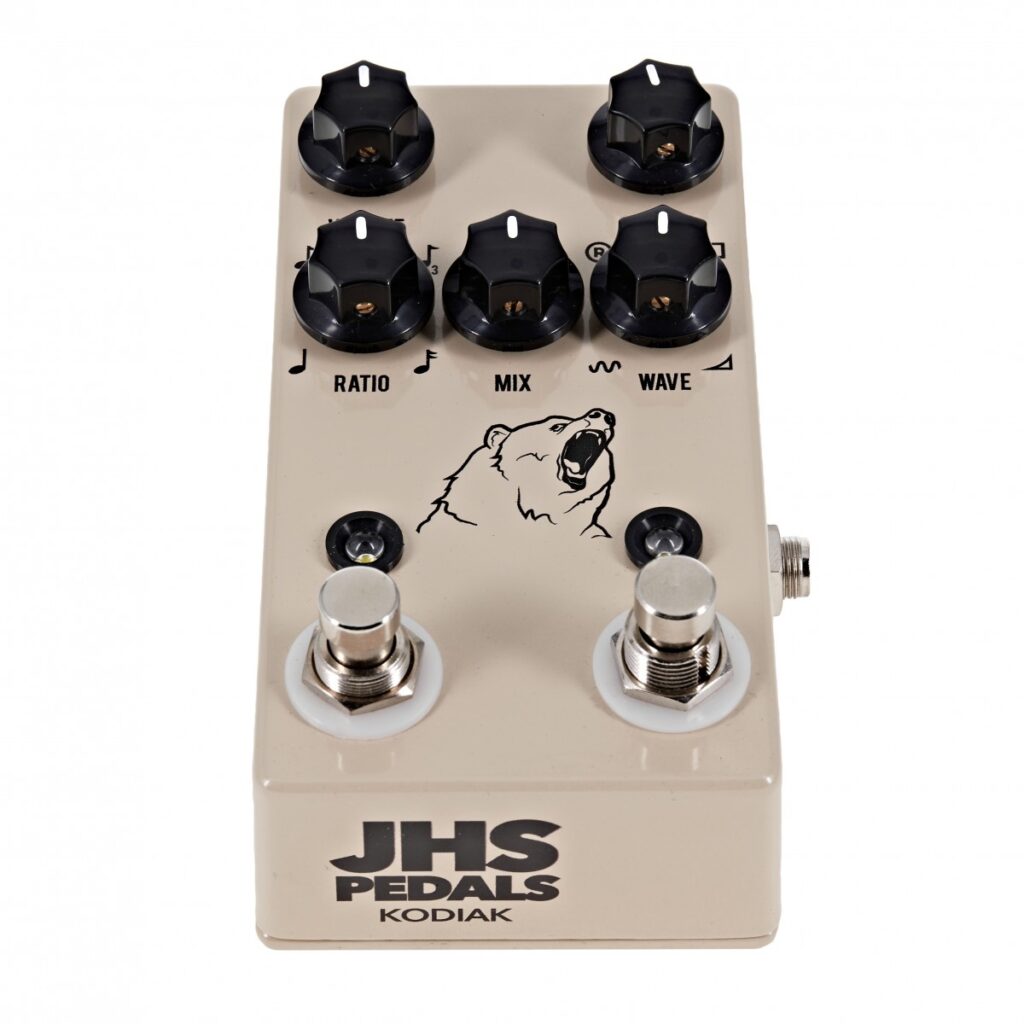
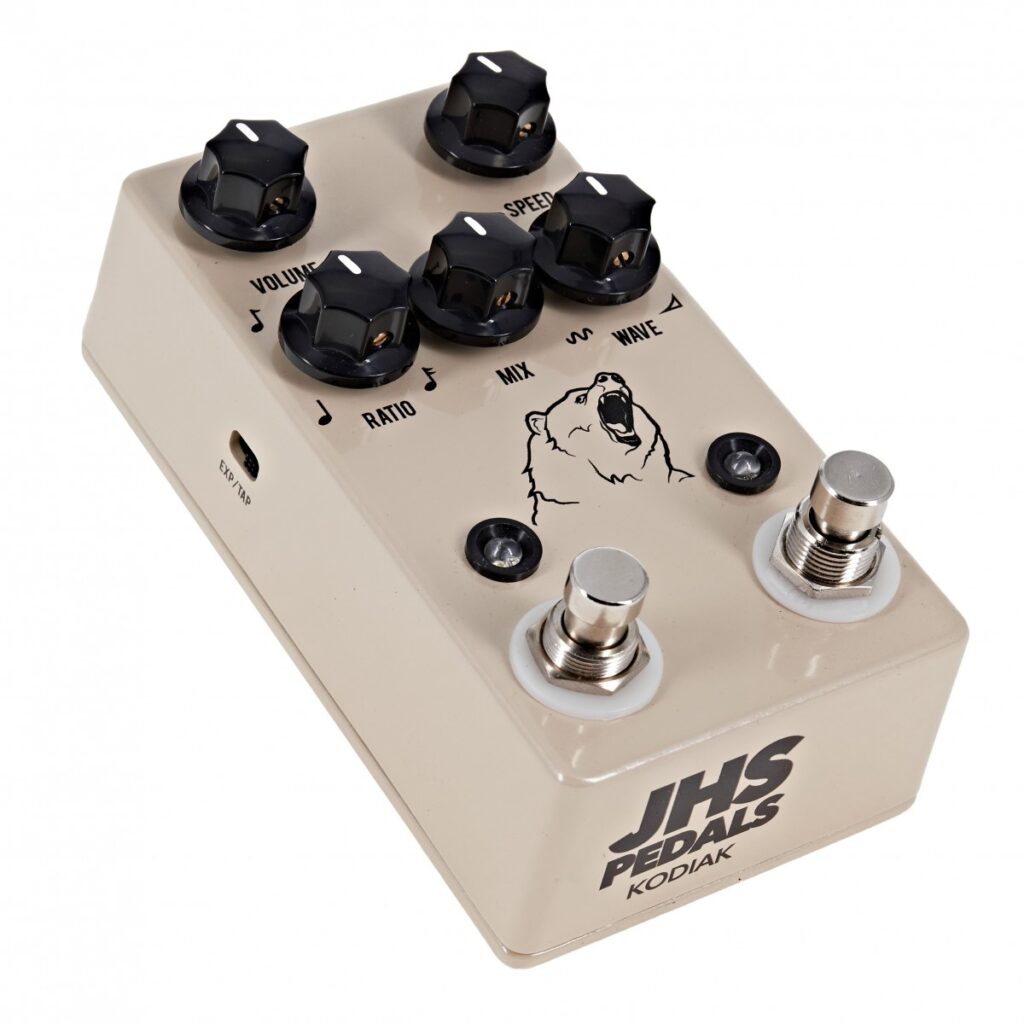
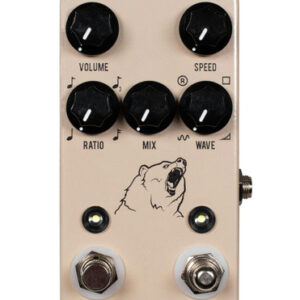
An unbelievable range of tremolo effects for your every need. The JHS Pedals Kodiak Tremolo gives you an immense variety of choice. Five different controls allow you to experiment with a wealth voices and styles of tremolo meaning you have the freedom to acutely and precisely craft the perfect sound to suit your playing. Whats more youll always be in flawless time thanks to the Kodiaks tap tempo feature. JHS Pedals have become a staple of rock music and beyond since the company was founded in 2007. Each and every pedal is hand crafted to perfection and offers industry-leading effects to give your playing endless possibilities. Muse Foo Fighters Radiohead Red Hot Chili Peppers and an ever-growing list of musicians at the top of their game use JHS Pedals. The Kodiak is one of their best yet. Its time to start your collection.
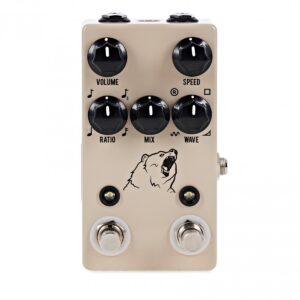
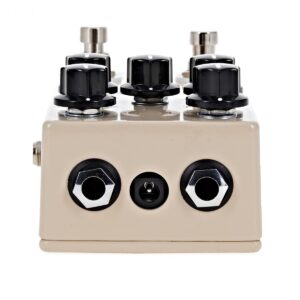
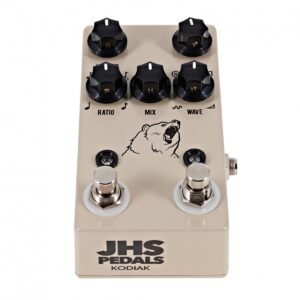
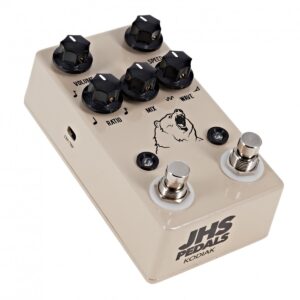
JHS Pedals Kodiak Tremolo
This is a New JHS Pedals Kodiak Tremolo from JHS Pedals, listed in Tremolo & Vibrato Pedals on Just Pedals. Read More below.
As an affiliate partner, we may earn a small commission when you buy through our links — at no extra cost to you.
Related videos



Brand
JHS Pedals
In the current JustPedals catalogue, JHS Pedals is represented by Overdrive Pedals, Distortion Pedals and Delay Pedals. Current listings include Switchback, Mute Switch and Summing Amp. That makes the range relevant to players looking for drive, gain and clipping, plus time-based effects and ambience. Check each model for its exact circuit or processing platform, controls, power requirements and connections, particularly where the catalogue includes both pedals and supporting gear.
Category
Tremolo & Vibrato Pedals
Tremolo varies amplitude, making volume rise and fall; vibrato varies pitch, making the note move sharp and flat. Some circuits combine both or derive them from modulation systems that blur the boundary. Rate, depth, waveform and stereo phase determine whether the motion is smooth, pulsing, choppy, seasick or spatial, while tap tempo can lock the cycle to a rhythm.
Tags
Tap Tempo
Measures repeated foot taps and converts their interval into an effect rate or delay time. Subdivisions translate that pulse into dotted, triplet or other rhythmic values, while averaging and range limits influence how quickly and accurately the tempo settles.
Others Just Ordered :
- Mooer Meta FX – Review

- MOOER META FX Review: 3 Effects in 1—but Here’s the Problem

- I Wasn’t Expecting To Be Impressed – But What Is The Mooer Meta FX?

- Mooer // META FX Stereo Multi-Effect Platform (Demo)

- A NEW GENERATION OF PEDALS IS HERE – Mooer Meta FX Reverb Review

- Mooer META FX | All the REVERBS from subtle to WILD!