Brand
JOYO Technology is a Shenzhen music-gear company whose range goes well beyond stompboxes. Its official catalogue covers guitar and bass amplifiers, acoustic and busking amps, effects, power supplies, interfaces, wireless systems and accessories. JOYO also says it develops acoustic-core technology and has applied for utility patents. JustPedals listings include the JF-21 Splinter distortion and JF-319 Green Legend overdrive, alongside mini amps and power adapters. That breadth matters when comparing products under the JOYO name: some are effects, while others support the rest of a guitar or bass rig.
Category
Amp and cabinet simulators reproduce the gain stages, tone stack, power-amp response, loudspeaker colour and microphone character of a recorded amplifier chain. Analogue circuits, digital models and impulse responses approach this in different ways. The important distinctions are the available amp and cabinet types, editable microphone or room settings, latency, output routing, preset recall and whether speaker simulation can be bypassed for a real amplifier.
Tags
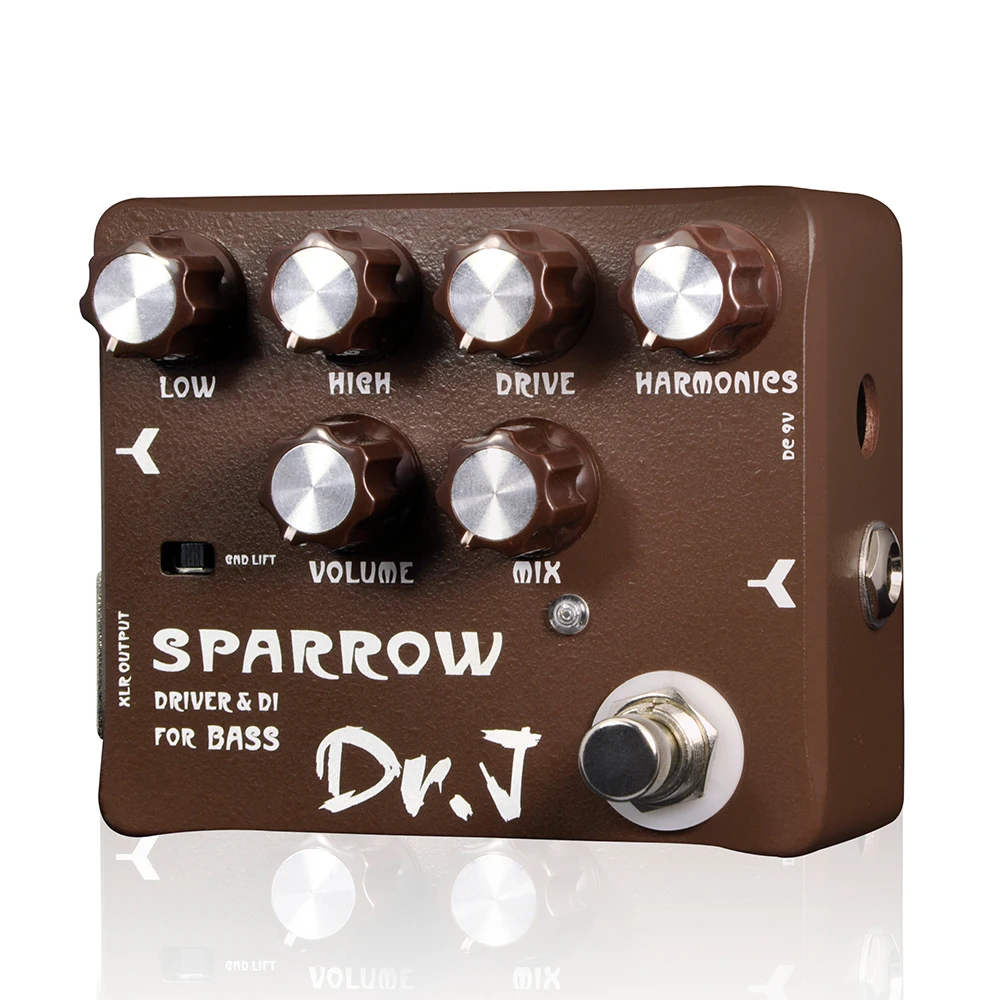
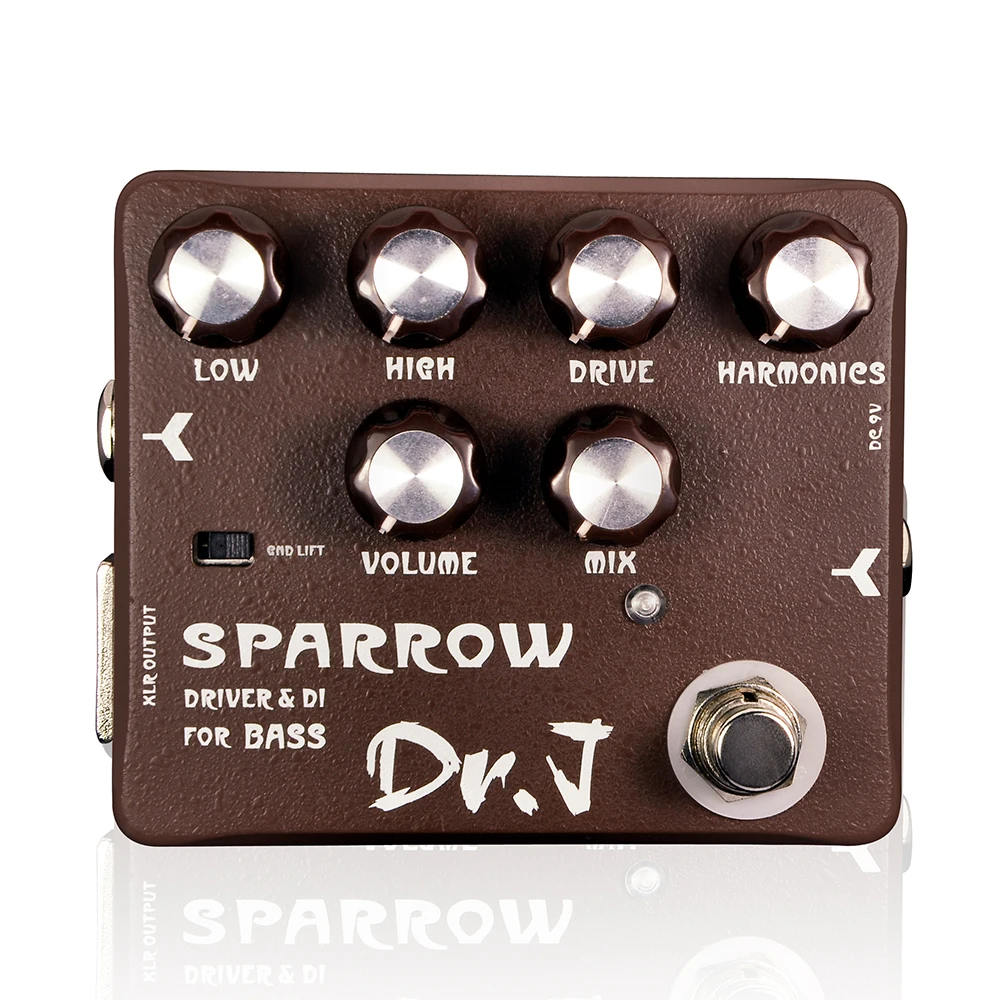
Voiced or equipped to retain low-frequency fundamentals and the higher headroom of a bass signal. Clean blends, crossovers and bass-specific filter ranges can preserve weight and articulation while the effected portion adds harmonics, movement or ambience.
Uses moderate clipping and gain-dependent compression to add harmonics while retaining much of the original note contour. Bass filtering, mid emphasis, clipping symmetry and available headroom decide whether it sounds open and amplifier-like, tightly focused or heavily saturated.
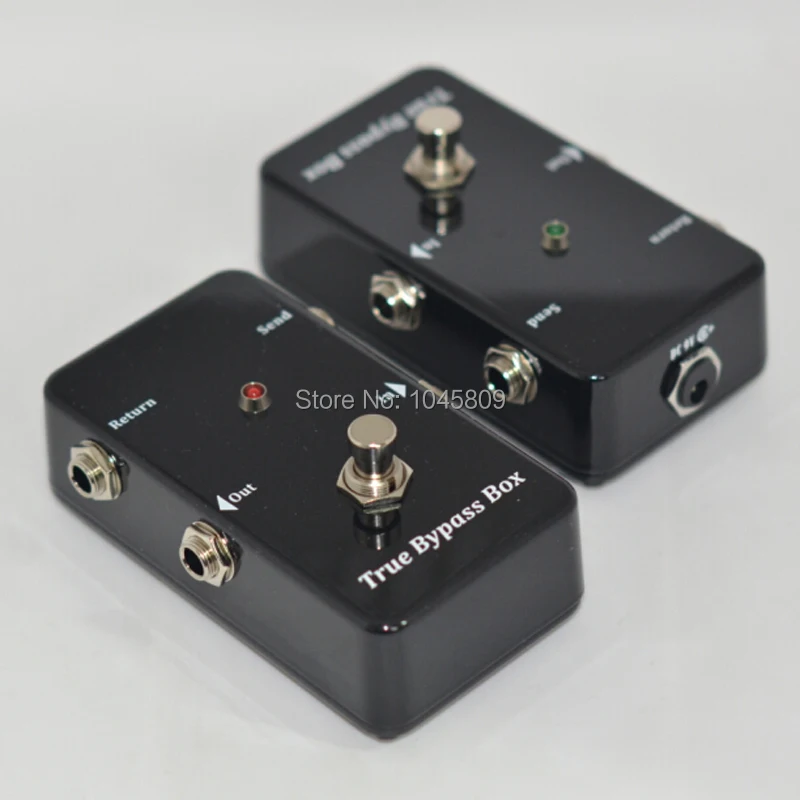
Connects input directly to output through mechanical or relay switching when the effect is off, removing the active circuit from the audio path. It avoids buffer colour but leaves cable capacitance and switching design to influence high-frequency loss and possible switching noise.