Brand
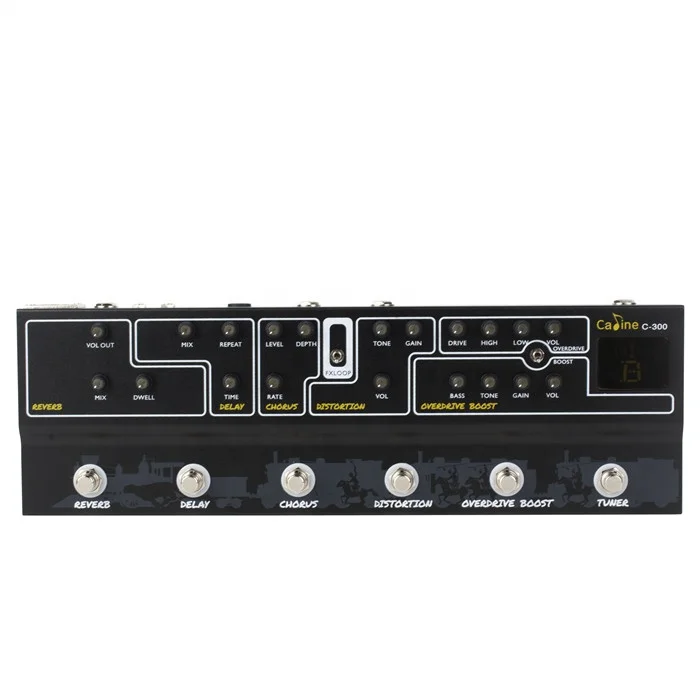
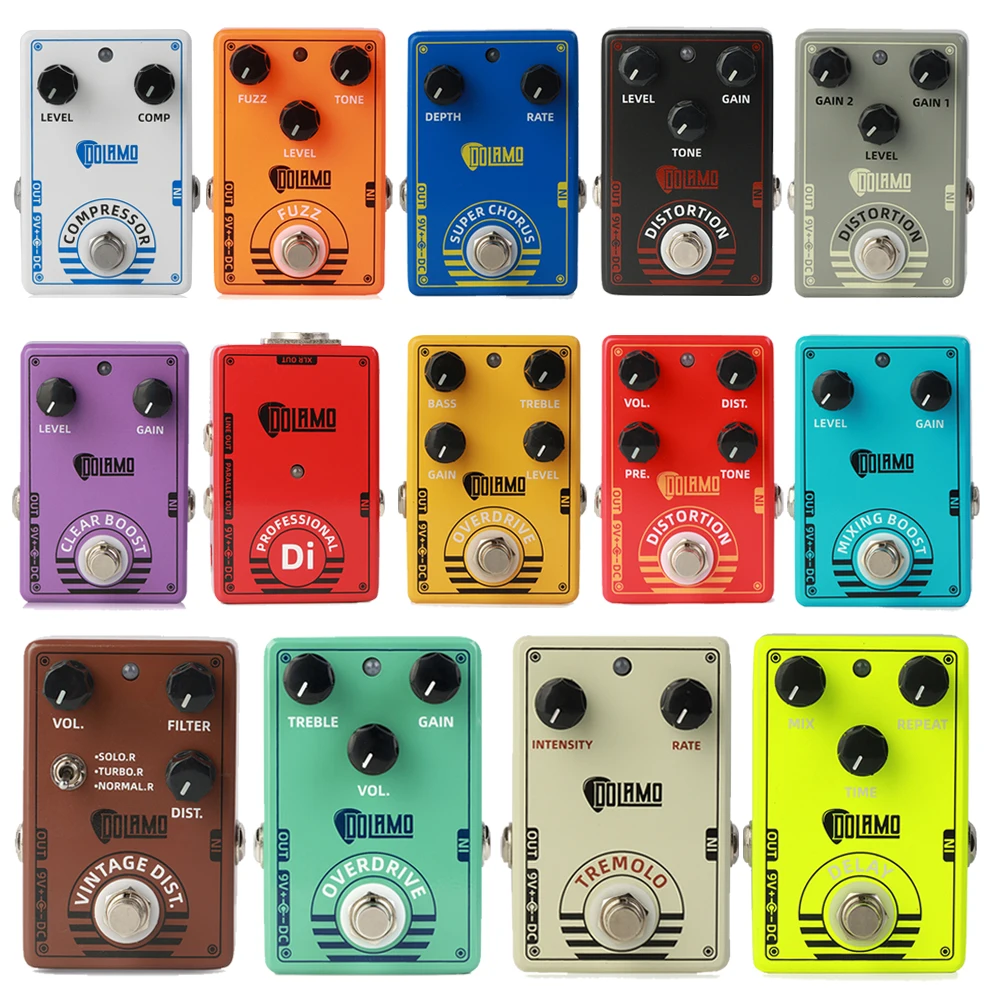
In the current JustPedals catalogue, Caline is represented by Pedal Power Supplies, Effect Pedal Kits and Compression Pedals. Current listings include CP-85, DCP-05 Key West Compressor and EQ and CP-82. That makes the range relevant to players looking for pedalboard infrastructure and control. Check each model for its exact circuit or processing platform, controls, power requirements and connections, particularly where the catalogue includes both pedals and supporting gear.
Tags
Build-your-own pedal products are intended for assembly rather than immediate plug-and-play use. The project may involve soldering a circuit board, wiring jacks and switches, drilling or finishing an enclosure and testing for noise or shorts. Difficulty depends on the instructions and how much is pre-populated. Check the parts list, tools, expected voltage, enclosure work and skill level before starting, and allow time for troubleshooting rather than treating the kit as a finished pedal.
Chorus mixes the dry signal with one or more short, modulated delays to create movement, width and gentle pitch variation. Rate sets the speed; depth sets the excursion; blend, tone and stereo routing control how prominent the effect becomes. Shallow settings can widen a clean part without obscuring the note, while deeper settings create a pronounced wobble. Check mono compatibility, headroom and the position after drives or before a mixer.
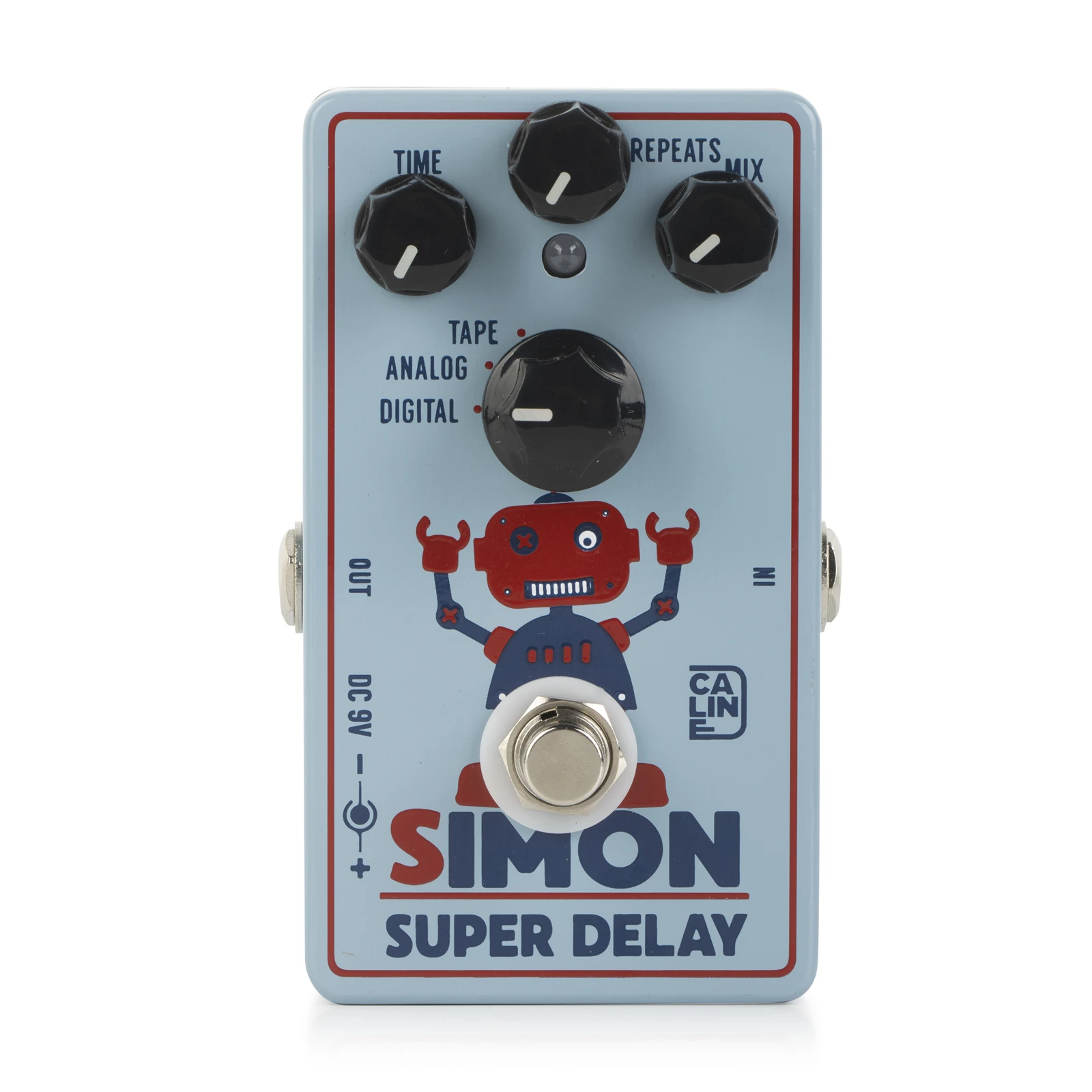
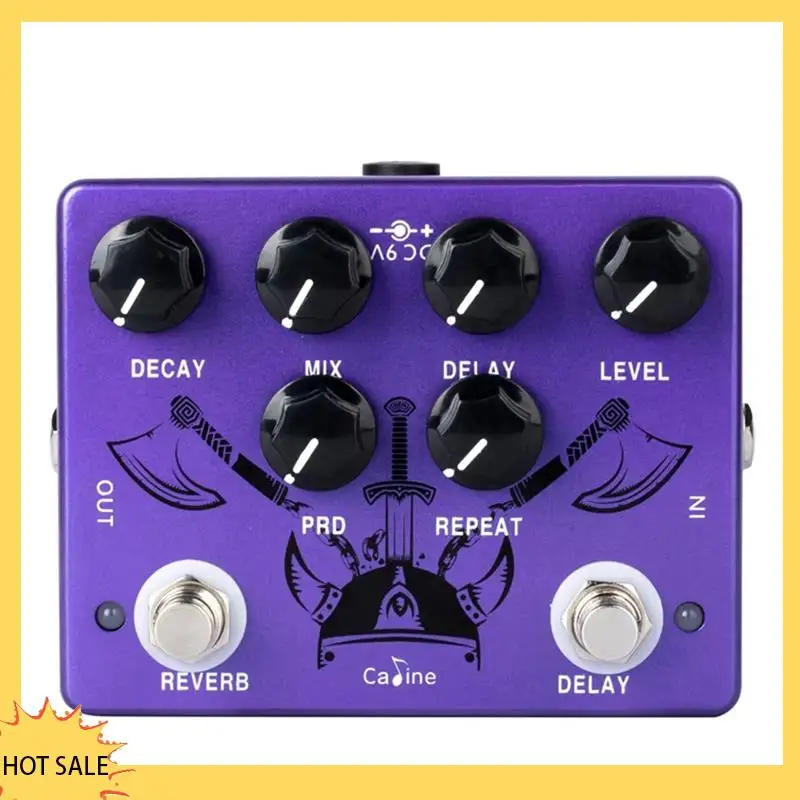
Delay repeats the input after a set time. Feedback controls how long the repeats continue, while filtering, modulation, saturation and mix shape their character and prominence. Tap tempo can set rhythmic timing hands-free, and presets or MIDI can recall several timings. Check maximum delay time, spillover, trails, stereo routing, headroom and whether the pedal is analogue, tape-style or digital when the repeat response is important.
Distortion uses deliberate clipping to add harmonics, compression and sustain. Some circuits are voiced for amp-like crunch, others for high-gain rhythm or an abrasive texture. Gain, tone, presence, resonance, blend and noise-control features determine how the pedal interacts with pickups and the next stage. Before choosing, decide whether it will push an amplifier, run into a clean platform or feed a cabinet simulation, because the same control settings can behave very differently in each route.
Effect pedal kits provide a set of parts for building an effects unit, often including a circuit board, components, enclosure or hardware. They can be a useful way to learn how clipping, filtering, gain and switching are implemented, but the required work varies from guided assembly to a full wiring and enclosure project. Read the build notes, check the expected voltage and make sure the kit includes the parts and tools needed for the intended finish.
Overdrive adds controlled clipping and harmonics while retaining more of the source attack and dynamics than heavier distortion. It can simulate a pushed valve amp, add a mid lift, tighten the low end or provide an always-on foundation. Gain, tone, output, presence, bass and clipping options shape how it responds to pickups and the next stage. Decide whether the pedal should clean up from the guitar volume, stack with another drive or push an amplifier.
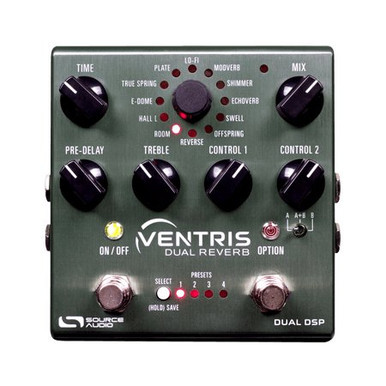
Reverb creates a field of reflections around the dry signal to suggest a room, plate, spring, hall or other space. Decay controls length; pre-delay separates the attack from the ambience; damping, tone, diffusion, modulation and mix shape size, brightness and movement. Short settings add depth without washing out a part, while long tails become a deliberate texture. Check trails, spillover, stereo routing, presets and headroom when placing reverb after gain or delay.
Tuner products provide a visible or silent way to check pitch at the start of a signal chain. Accuracy, calibration range, detection speed, display visibility, mute switching and bypass type affect how well they suit a live board. Polyphonic tuners can show several strings at once, while chromatic designs may offer more detailed single-note feedback. Check the input and output arrangement, power draw and display readability under the intended stage lighting.