Brand
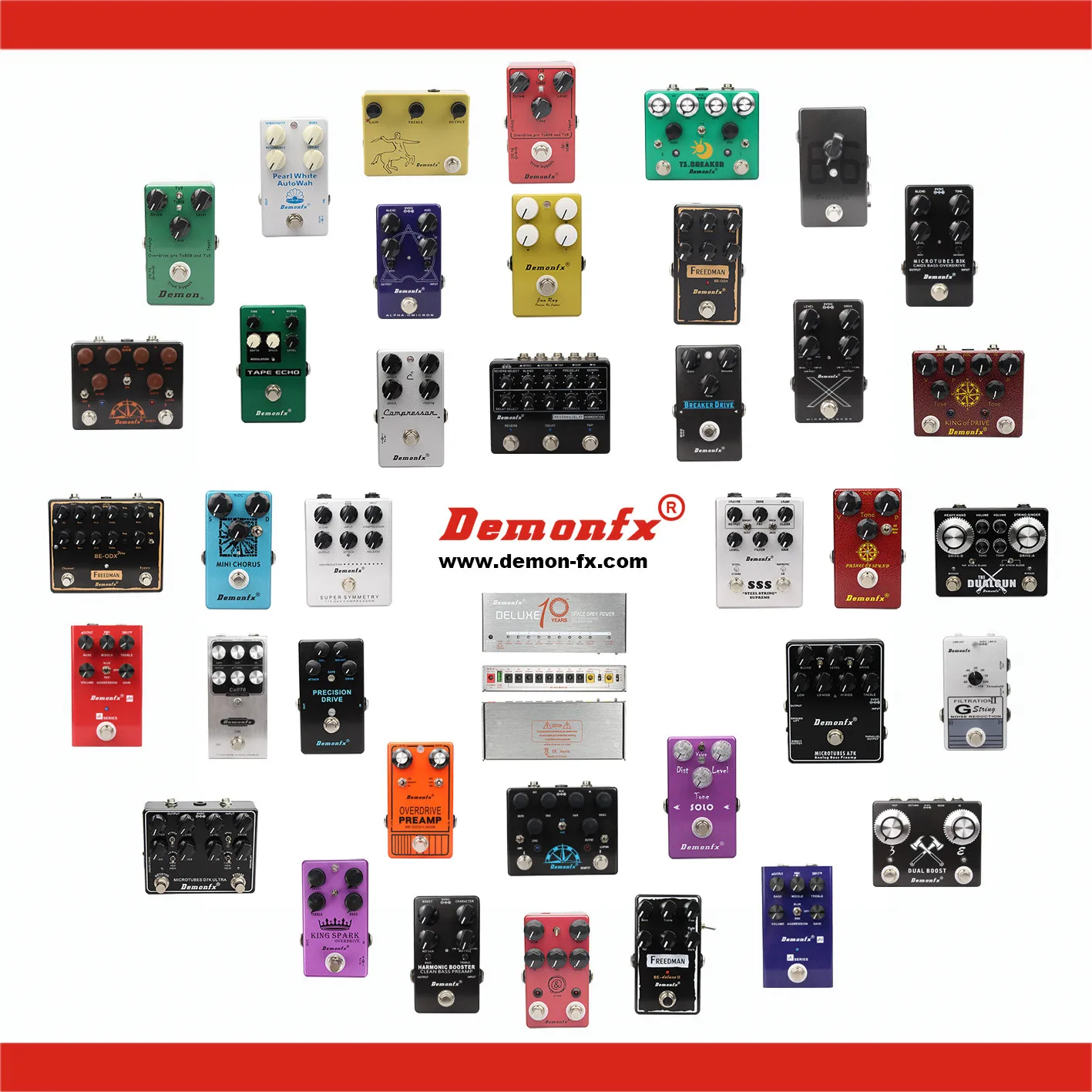
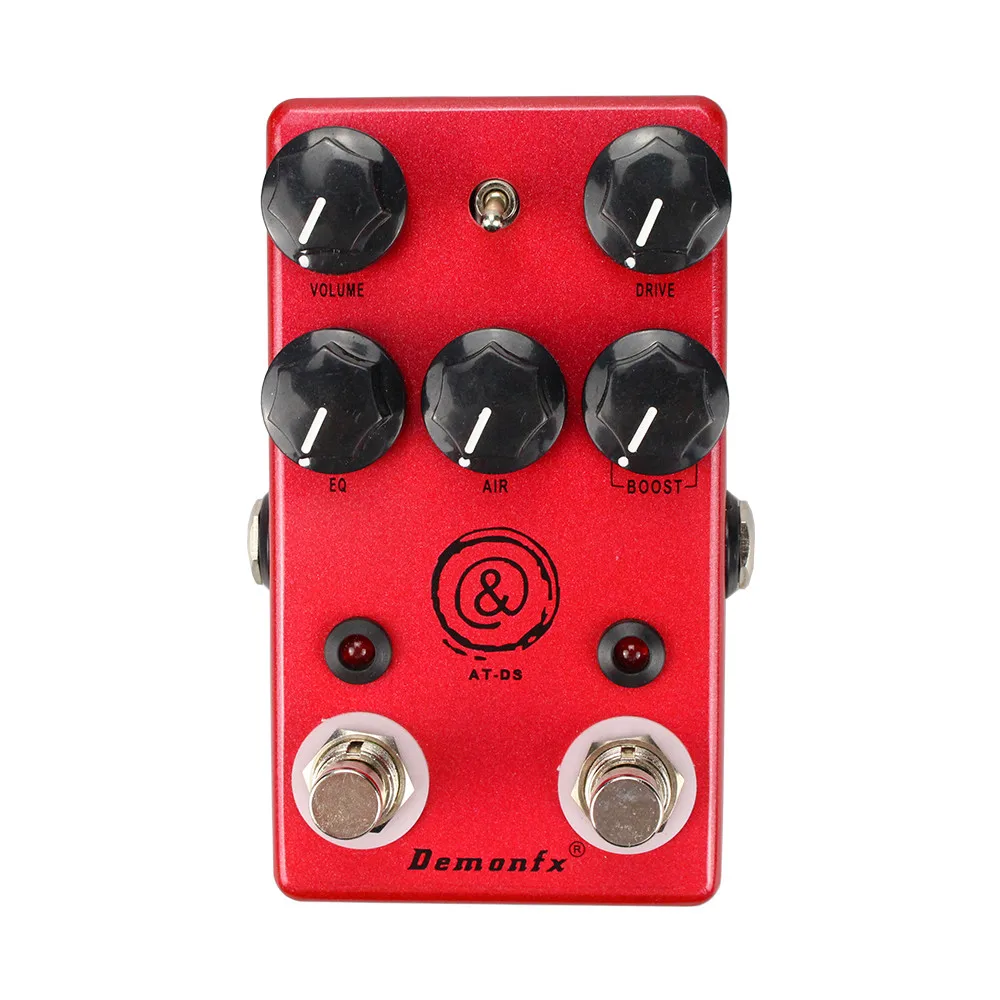
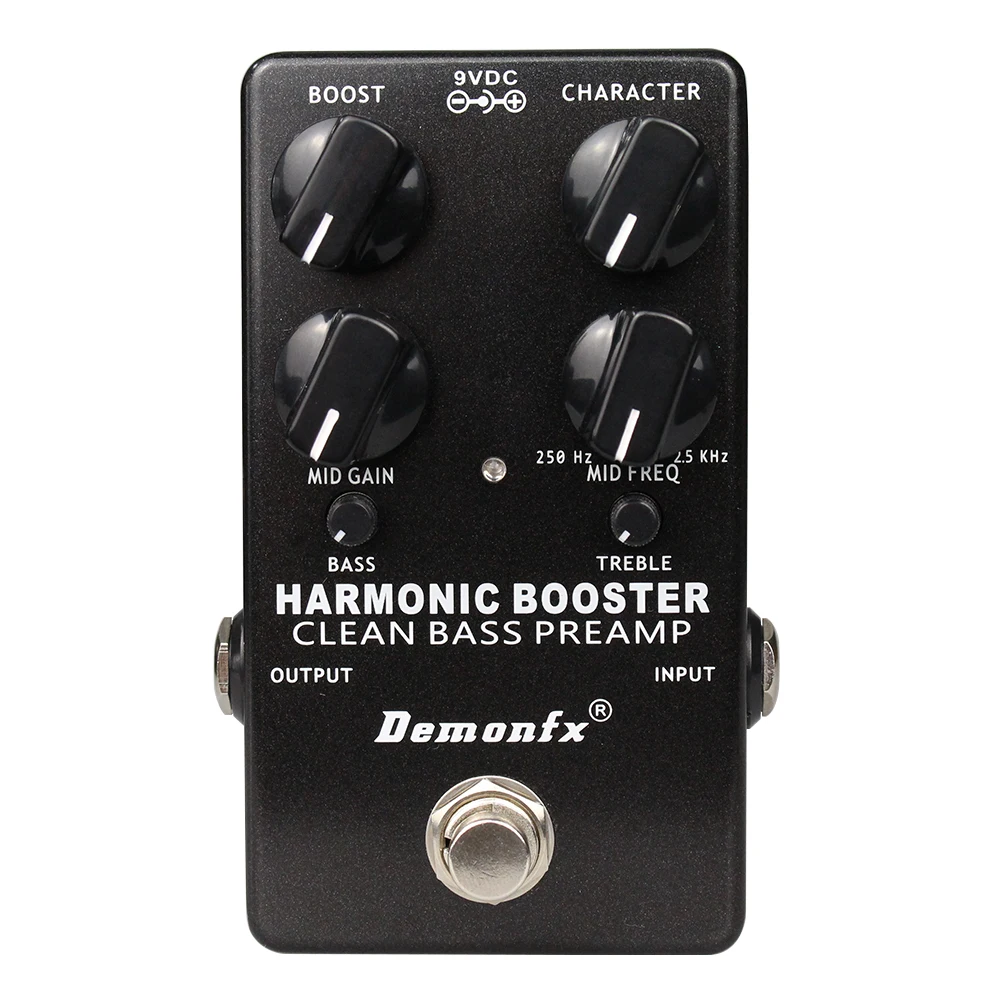
In the current JustPedals catalogue, Demonfx is represented by Overdrive Pedals, Distortion Pedals and Chorus Pedals. Current listings include TS808 TS GREEN Overdrive, AT-DS High Quality and AT-DS. That makes the range relevant to players looking for drive, gain and clipping, plus time-based effects and ambience. Check each model for its exact circuit or processing platform, controls, power requirements and connections, particularly where the catalogue includes both pedals and supporting gear.
Tags
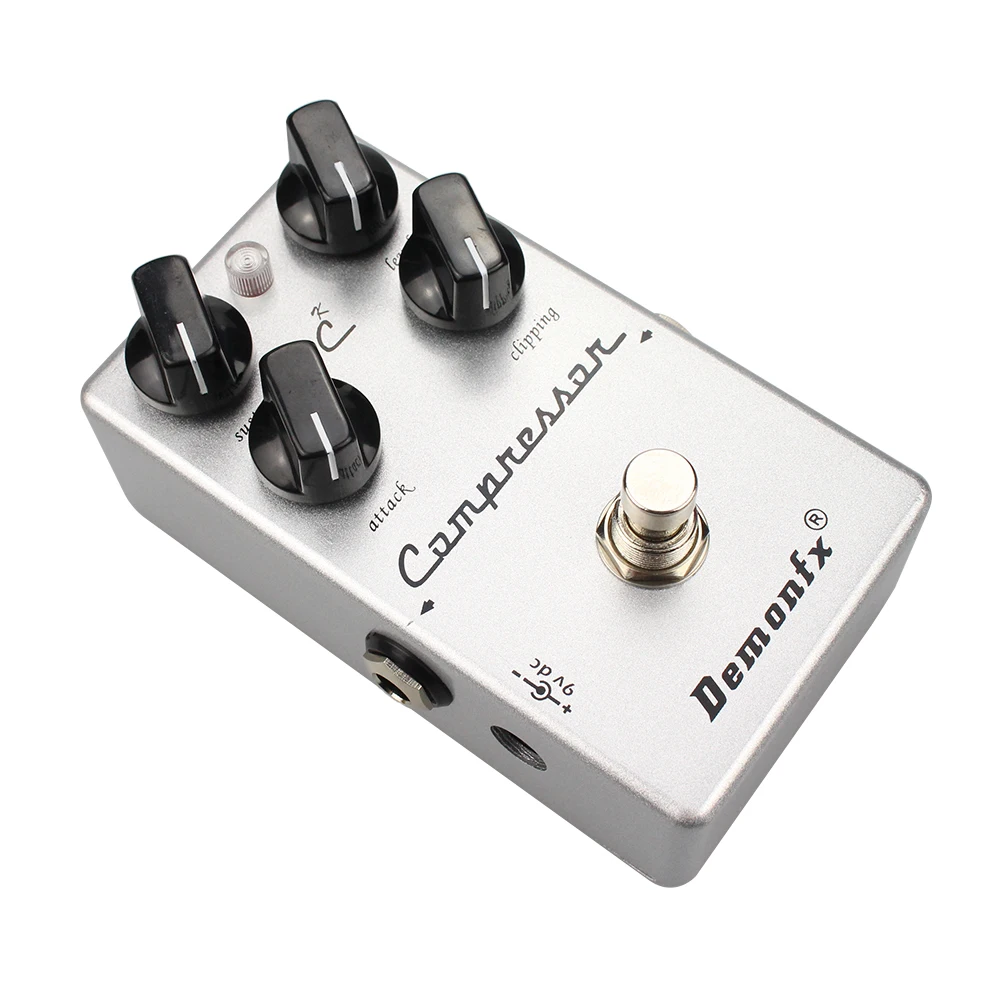
Compressor pedals reduce dynamic range by turning louder peaks down and raising or sustaining the average level. Attack and release determine whether the pick transient stays sharp; ratio, threshold, blend and output gain decide whether the result is discreet control or an obvious effect. Compression can add sustain, tighten bass and even out clean picking, but it can also raise noise and reduce touch contrast. Check the gain structure and placement before setting the amount of compression.
Delay repeats the input after a set time. Feedback controls how long the repeats continue, while filtering, modulation, saturation and mix shape their character and prominence. Tap tempo can set rhythmic timing hands-free, and presets or MIDI can recall several timings. Check maximum delay time, spillover, trails, stereo routing, headroom and whether the pedal is analogue, tape-style or digital when the repeat response is important.
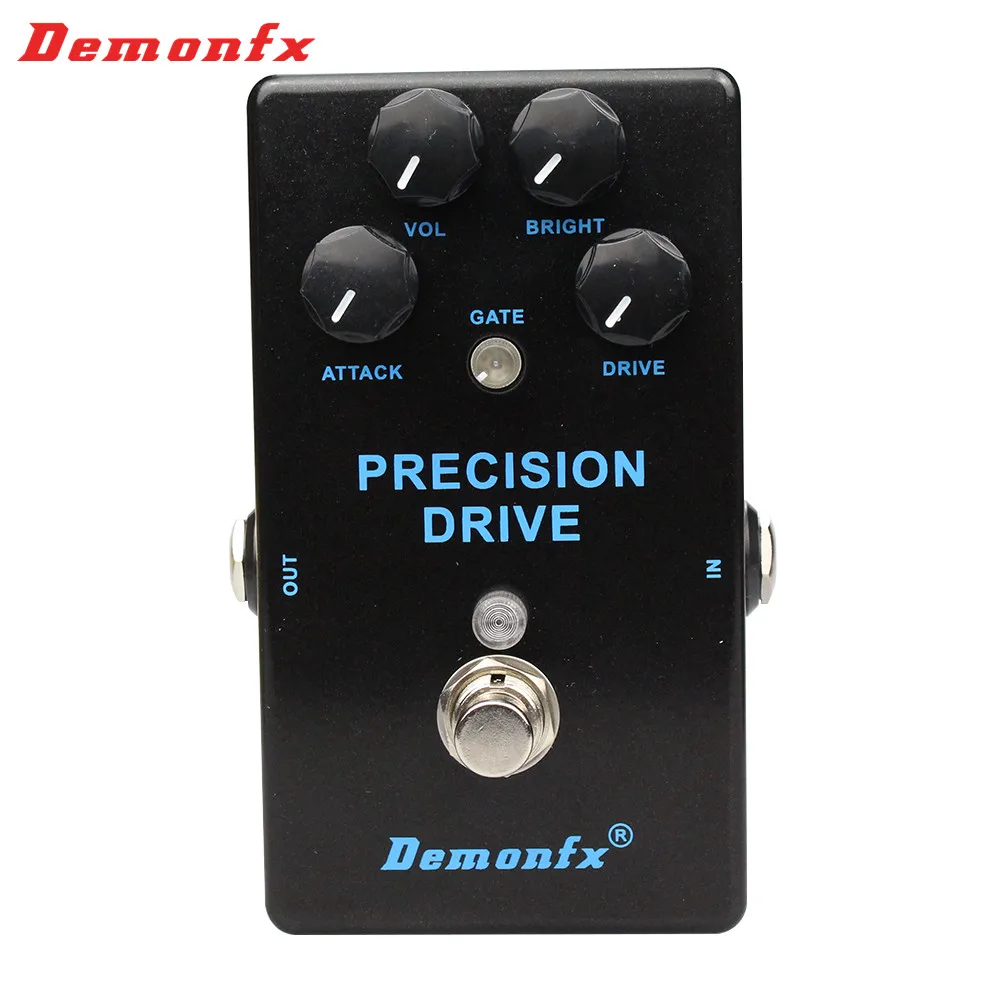
Distortion uses deliberate clipping to add harmonics, compression and sustain. Some circuits are voiced for amp-like crunch, others for high-gain rhythm or an abrasive texture. Gain, tone, presence, resonance, blend and noise-control features determine how the pedal interacts with pickups and the next stage. Before choosing, decide whether it will push an amplifier, run into a clean platform or feed a cabinet simulation, because the same control settings can behave very differently in each route.
Overdrive adds controlled clipping and harmonics while retaining more of the source attack and dynamics than heavier distortion. It can simulate a pushed valve amp, add a mid lift, tighten the low end or provide an always-on foundation. Gain, tone, output, presence, bass and clipping options shape how it responds to pickups and the next stage. Decide whether the pedal should clean up from the guitar volume, stack with another drive or push an amplifier.
Reverb creates a field of reflections around the dry signal to suggest a room, plate, spring, hall or other space. Decay controls length; pre-delay separates the attack from the ambience; damping, tone, diffusion, modulation and mix shape size, brightness and movement. Short settings add depth without washing out a part, while long tails become a deliberate texture. Check trails, spillover, stereo routing, presets and headroom when placing reverb after gain or delay.