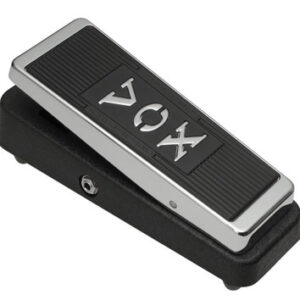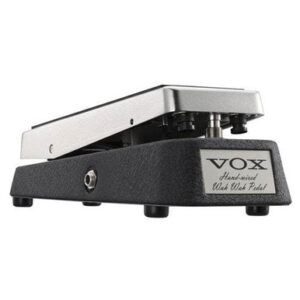
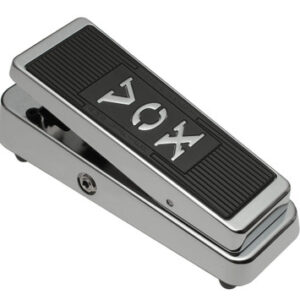
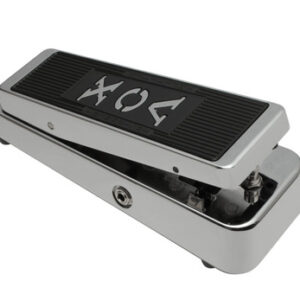

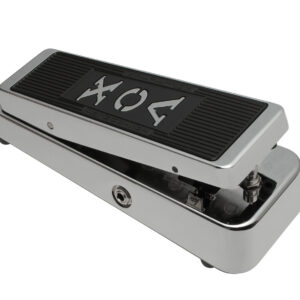
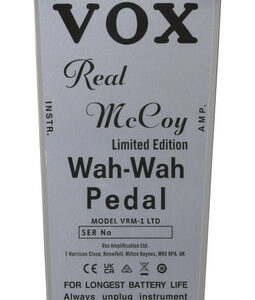
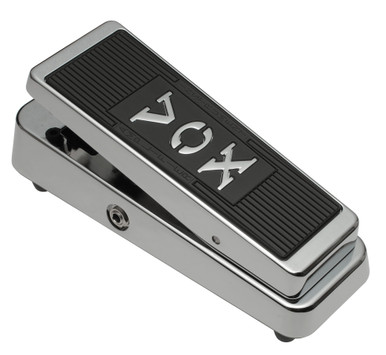
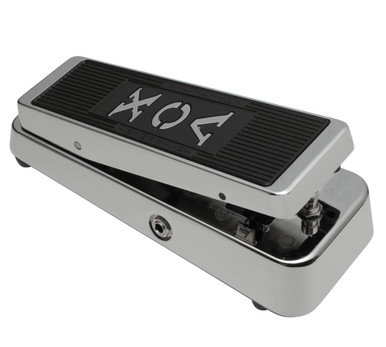
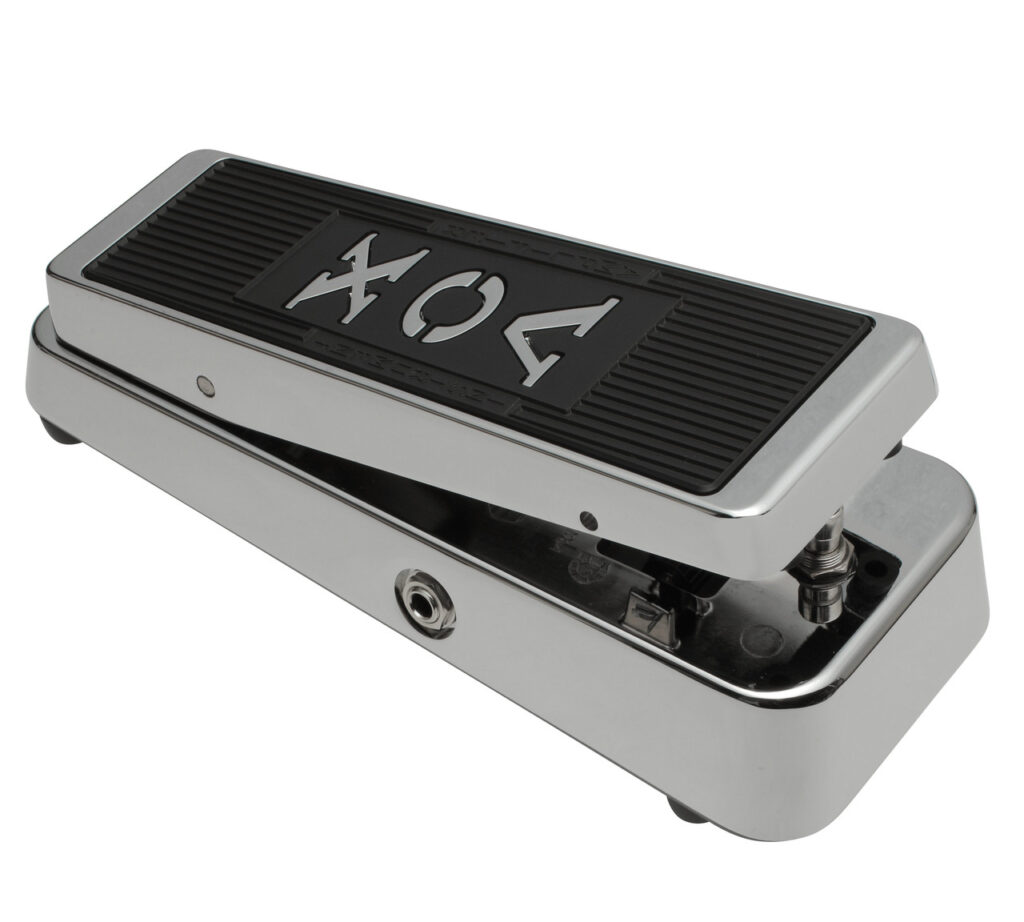
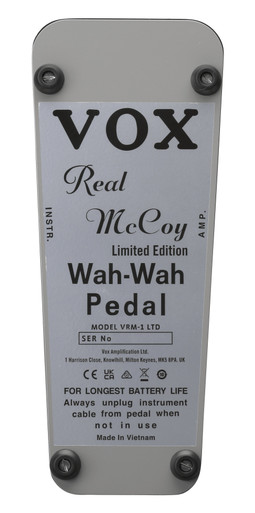
Here’s what Vox has to say about the Vox Real McCoy VRM-1 Wah Limited Edition pedal
Introduced by VOX in 1967, the Wah-Wah pedal stemmed from the Midrange Boost feature of a VOX amp design and was initially marketed as a way to emulate Clyde McCoy’s trumpet mute technique. However, an unintended but music-changing use with electric guitar turned the Wah pedal into a vital tool for renowned artists such as Jimi Hendrix and Eric Clapton, driving the creation of now-legendary performances and songs. From the 1960s to today, the Wah pedal has become an essential tool for guitarists.
The new Real McCoy wah pedal perfectly emulates the original wah down to the component level. VOX engineers have worked hard to unravel the mysteries of the vintage McCoy wah model, resulting in a pedal that meticulously replicates the exact tonal characteristics.
The Real McCoy is voiced for the iconic nasal tone of the original wah model, with an accentuated midrange that imparts a warm and melodic character to your guitar.
The Pursuit of the Ultimate Vintage Wah
The new Real McCoy wah is unlike any wah on the market today – it is built with custom-designed parts to fully replicate the original. This includes newly designed inductors, transistors, and potentiometers, with hand-selected resistors, capacitors, and wiring to complete the circuit. This exact recreation extends to the exterior as well, with a body molded from a 3D scan of the vintage model, and a focus on details down to the screws and font on the underside.
Unlocking the Mystery Behind the Iconic Sound
The journey to the Real McCoy wah pedal was started by acquiring a mint condition vintage McCoy wah from 1967, referred to at VOX as the “Holy Grail” – the epitome of the ideal unit. Exhaustive A/B testing was conducted, systematically comparing its frequency response against that of other more conventional vintage units. This exploration unraveled the alchemy inherent in vintage components that collectively shape the unique frequency curve characteristic of the holy grail unit.