
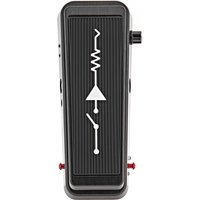
The MXR MC404 CAE Wah is equipped with dual Fasel inductors providing two distinct voices – high-end emphasis or low to mid resonance. This quality feature ensures a highly creative output and fully editable tone for a completely unique sonic experience. If youre looking for a sound enhancing adjustable pedal – then look no further. Whats more a built-in MXR MC401 Boost/LineDriver delivers additional flexibility so you can take complete control of your tone on stage at home or in the studio. A true bypass signal works to retain the ultimate clarity of sound even when this pedal is disengaged no matter where its placed within your chain.
MXR MC404 Custom Audio Electronics Wah Pedal
£209.00
This is a New MXR MC404 Custom Audio Electronics Wah Pedal from MXR its found in our Wah & Filter Pedals on the Just Pedals menu. Read More below.
View Just MXR
As an affiliate partner, we may earn a small commission when you buy through our links — at no extra cost to you.
Related videos



Brand
MXR
MXR’s first product was the Phase 90, released in 1972. Dunlop’s official MXR history traces the early line from that compact phaser to the Distortion+, Dyna Comp compressor and Blue Box octave fuzz—circuits that remain central reference points for the brand. JustPedals carries those classic families alongside the Carbon Copy analog delay, Micro Amp, Talk Box and bass effects. MXR’s range is deliberately broader than one effect category: compare the model number and version, especially where a classic circuit has later reissues, mini enclosures or expanded controls.
Category
Wah & Filter Pedals
Wah effects sweep a resonant band-pass or related filter through the frequency spectrum, creating the vowel-like movement associated with the treadle. Envelope filters move automatically in response to picking level, while fixed and sequenced filters use other control sources. Sweep range, resonance, direction, sensitivity and input loading determine whether the response is vocal, percussive, smooth or sharply synthetic.
Tags
True Bypass
Connects input directly to output through mechanical or relay switching when the effect is off, removing the active circuit from the audio path. It avoids buffer colour but leaves cable capacitance and switching design to influence high-frequency loss and possible switching noise.
Others Just Ordered :
- I Love A Happy Accident… – Animals Pedal

- Animals Pedal Vintage Van Driving is Very Fun Overdrive

- Animals Pedal Sunday Afternoon Is Infinity Bender

- Ninevolt Pedals | Bath Time Reverb (Animals Pedal)

- This Fuzz Pedal Makes No Sense… But It Sounds Incredible

- ANIME Pedals | Animals Pedal Custom Illustrated Series