
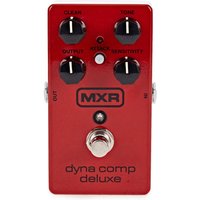
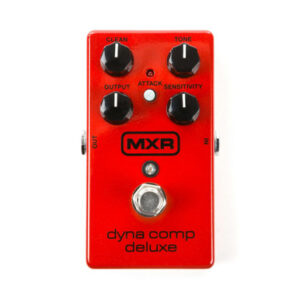
The MXR M228 Dyna Comp Deluxe upgrades MXRs most iconic compression pedal with more control over your tone. Still equipped with the same CA3080 metal can circuit as the original the Dyna Comp Deluxe provides superior vintage tones with excellent transparency a wide dynamic range and a quiet operation. The additional attack switch tone control and clean control lets you personalise the compressed signal to suit your playing style. You still have access to the output and sensitivity knobs from the original. Experiment with the controls to go from squishy 70s compression to an open transparent light touch compression.
MXR M228 Dyna Comp Deluxe
£154.00
This is a New MXR M228 Dyna Comp Deluxe from MXR its found in our Specialist Effects Pedals on the Just Pedals menu. Read More below.
View Just MXR
As an affiliate partner, we may earn a small commission when you buy through our links — at no extra cost to you.
Related videos


Brand
MXR
MXR’s first product was the Phase 90, released in 1972. Dunlop’s official MXR history traces the early line from that compact phaser to the Distortion+, Dyna Comp compressor and Blue Box octave fuzz—circuits that remain central reference points for the brand. JustPedals carries those classic families alongside the Carbon Copy analog delay, Micro Amp, Talk Box and bass effects. MXR’s range is deliberately broader than one effect category: compare the model number and version, especially where a classic circuit has later reissues, mini enclosures or expanded controls.
Category
Specialist Effects Pedals
Specialist effects alter the signal in ways that do not sit cleanly inside one established family. They may use granular processing, frequency shifting, resonators, freeze or sustain, bit reduction, ring modulation, feedback networks or combinations of several techniques. The relevant distinction is the underlying process, its tracking or latency, and how completely the dry signal can be blended or replaced.
Others Just Ordered :
- I Love A Happy Accident… – Animals Pedal

- Animals Pedal Vintage Van Driving is Very Fun Overdrive

- Animals Pedal Sunday Afternoon Is Infinity Bender

- Ninevolt Pedals | Bath Time Reverb (Animals Pedal)

- This Fuzz Pedal Makes No Sense… But It Sounds Incredible

- ANIME Pedals | Animals Pedal Custom Illustrated Series