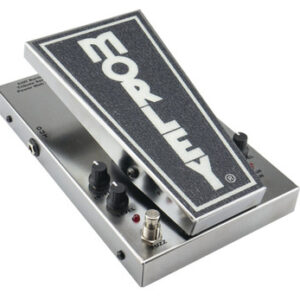
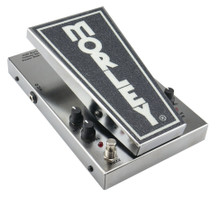
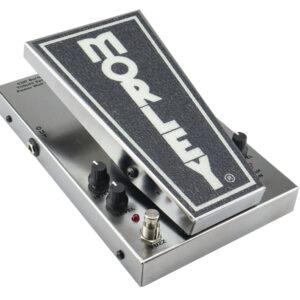
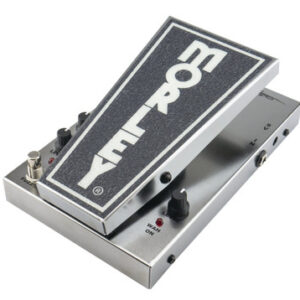
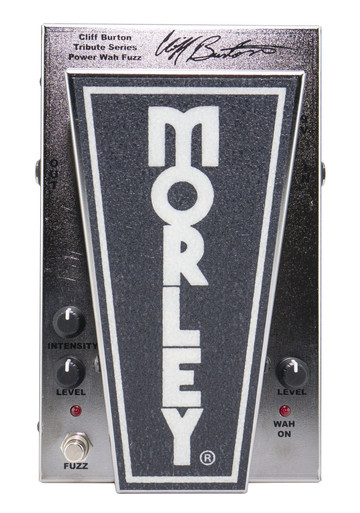
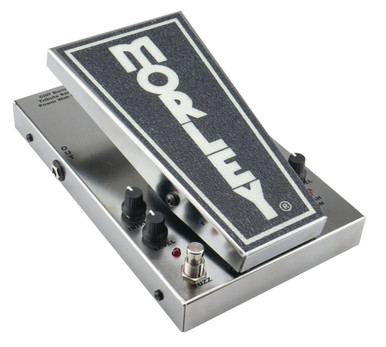
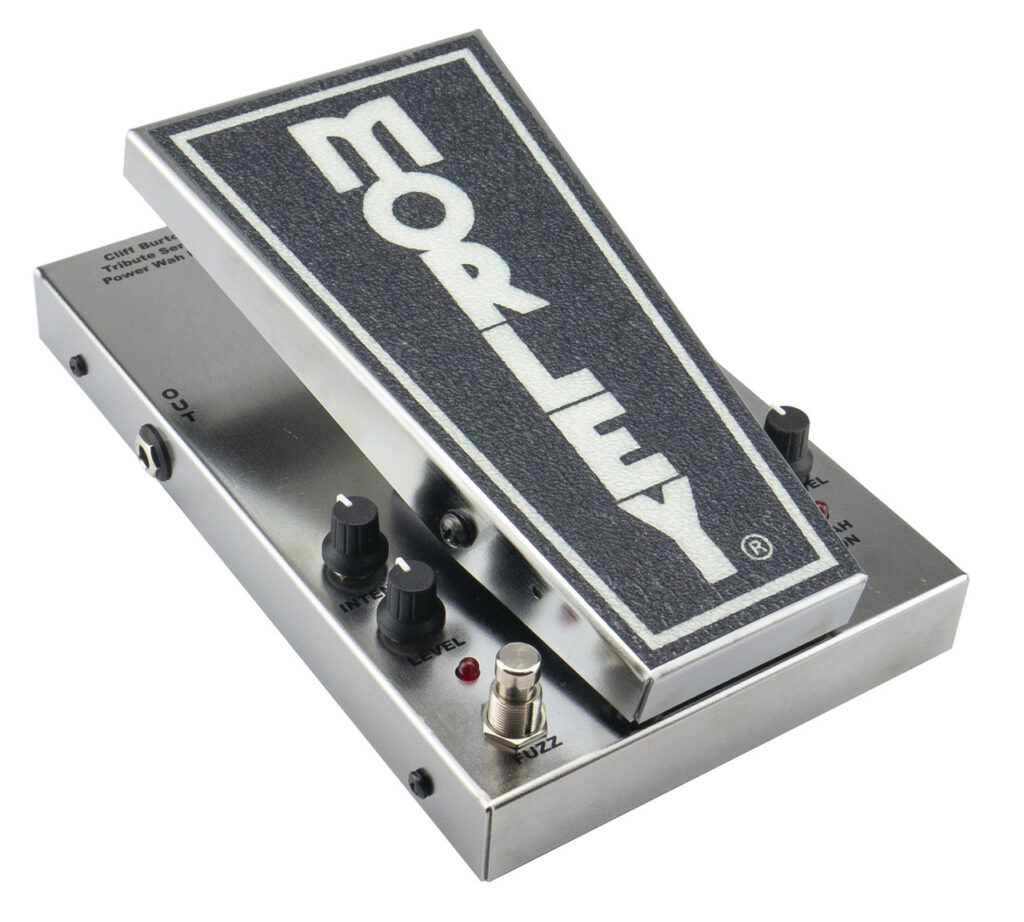
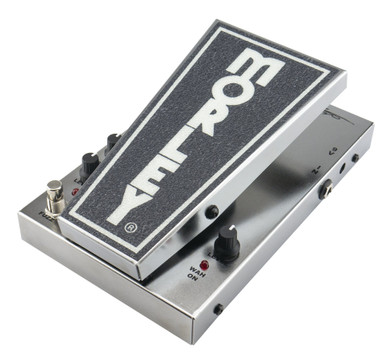
Morley Cliff Burton Tribute Power Fuzz Wah

£269.00

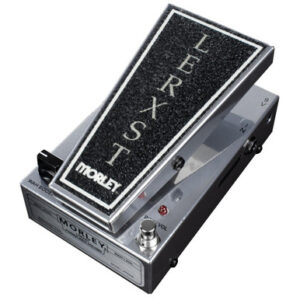
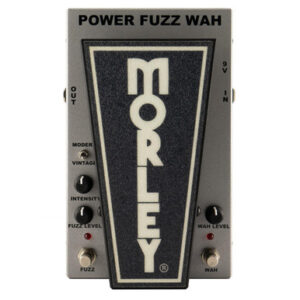
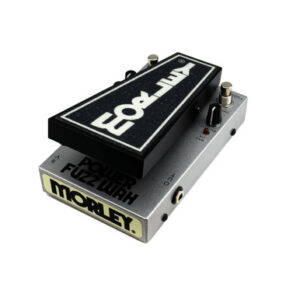
This is the Morley Cliff Burton Tribute Power Fuzz Wah from Morley, listed in Wah & Filter Pedals on Just Pedals. Read More below.

View Just
more
and ,

Clifford Lee Burton is regarded as one of the greatest Bass players of all time. He transformed the instrument and left an incredible legacy. One of the secret weapons to his tone arsenal was a Morley Power Wah Fuzz. Cliff’s use of a Wah Pedal for Bass solos was revolutionary. The Power Wah Fuzz had a Wah Sweep like no other Wah Wah Pedal at the time and it’s Optical Circuitry also gave it a unique flavor that contributed to Cliff’s thunderous sound. Morley has reissued this classic pedal as a tribute to the one and only Cliff Burton.

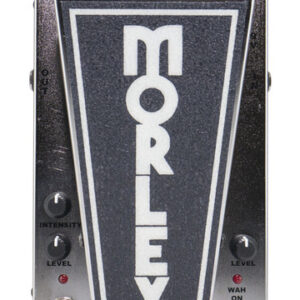
When compared to the original version the Power Wah Fuzz delivers it’s iconic tone, but with modern improvements. Most notably, it’s now equipped with Morley’s famous Switchless Activation. Just step on the treadle to activate and step off to Bypass. You also start at the more desirable lower end of the Sweep. It also sports a Distressed Chrome finish mimicking the battle worn pedal Cliff used. The Wah Circuit has a 15db Level control perfect for pushing your signal above the mix for earth shattering solos. It also sports Morley’s Glow-in-the-Dark treadle and toe sticker that not only look great but help you find your pedal on the darkest of stages and uses standard 9v power.

Key Features

  • Tribute Reissue of the Pedal Cliff used for Bass Solos.
  • Distressed Chrome Finish mimics Cliff’s Battle Worn Pedal.
  • Fuzz emulates that old-school ripped speaker sound of the original.
  • 15 dB Level Control on Wah Circuit.
  • Classic Morley construction: 9.13″ x 5.88″ x 2.75″ ( L x W x H)
  • Our world famous Electro-Optical design. No pots to wear out!
  • Premium Buffer circuit ensures pure guitar tone and output.
  • Glow-in-the-dark treadle rubber.
  • Powered by one 9-volt battery or optional Morley 9V adapter. Compatible with most 9V adapters.
  • Rugged cold-rolled steel housing, LED indication.
  • Works with Guitar, Bass or Keys!
  • Morley Part Number: PWF1

Related videos

Brand

Morley

Morley is a well-known manufacturer of guitar effects pedals, especially renowned for their optical wah and volume pedals. Their products are known for durability and unique features like the Electro-Optical design, which eliminates the need for traditional pots, making the pedals more reliable and longer-lasting. Morley offers a range of pedals including wahs, fuzz, distortion, and multi-effects pedals. One of their iconic products is the Power Fuzz Wah, which combines a fuzz circuit and a wah pedal in one unit, giving musicians a powerful sound and a wide frequency sweep. Their pedals are designed for guitar, bass, and even keyboard players.

Morley pedals have been popular with professional musicians due to their rugged construction, ease of use, and tonal versatility. Their products are often featured in live performances and studio recordings. Many players appreciate the brand for offering a classic sound with modern reliability. Morley also provides unique artist signature models and accessories, further expanding their appeal to a wide range of musicians.

Category

Wah & Filter Pedals

Wah effects sweep a resonant band-pass or related filter through the frequency spectrum, creating the vowel-like movement associated with the treadle. Envelope filters move automatically in response to picking level, while fixed and sequenced filters use other control sources. Sweep range, resonance, direction, sensitivity and input loading determine whether the response is vocal, percussive, smooth or sharply synthetic.

Tags

Bass

Voiced or equipped to retain low-frequency fundamentals and the higher headroom of a bass signal. Clean blends, crossovers and bass-specific filter ranges can preserve weight and articulation while the effected portion adds harmonics, movement or ambience.

Fuzz

Pushes the signal into extreme clipping, often approaching a square wave and producing dense harmonics. Transistor type, bias, input loading and filtering govern whether the texture is smooth, woolly, gated, spluttering, octave-rich or highly responsive to the instrument volume.