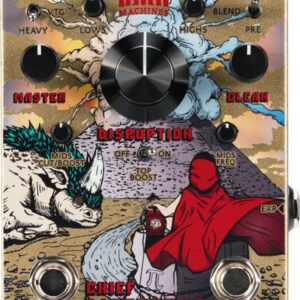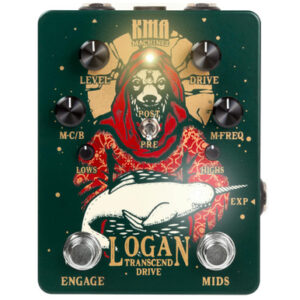
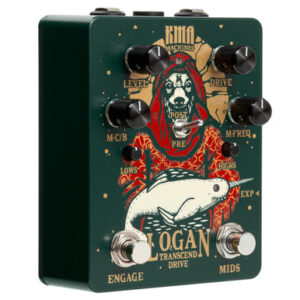

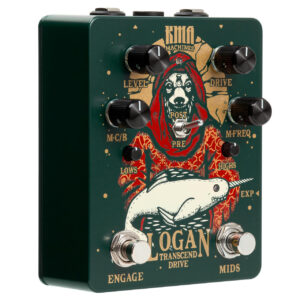
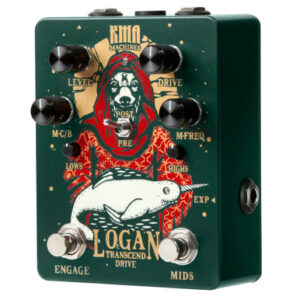
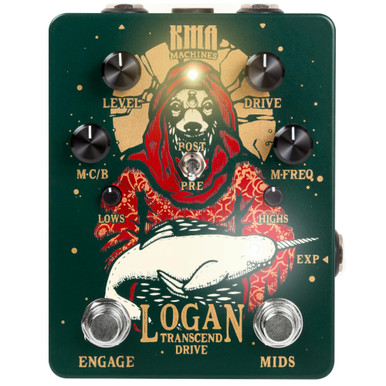
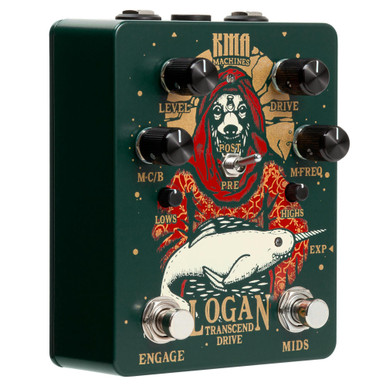
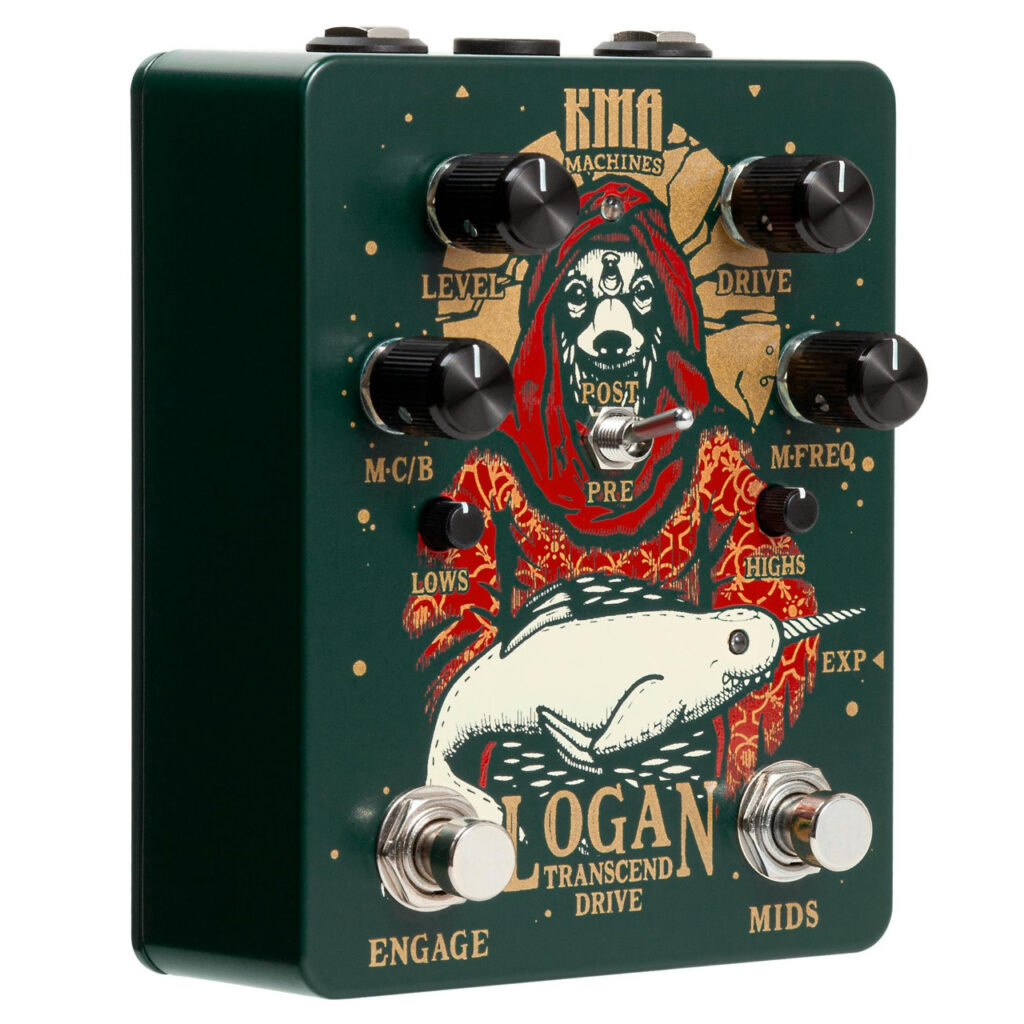
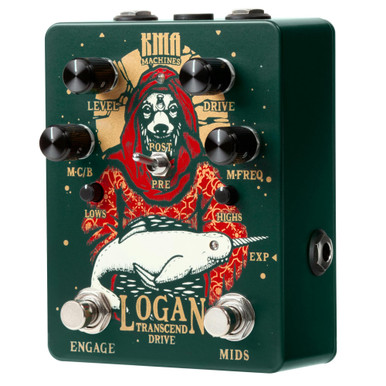
Here's what KMA Audio Machines says about the Logan:
Logan is made to transcend the well-known boundaries of overdrive. It doesn't matter if you are looking for a pre-amp, a low/mid-gain drive or a screaming resonant cocked-wah sound, Logan will deliver all the gainy goods. Combined with our active 3-Band EQ, including a fully parametric Mid-EQ with a separate On/Off-Footswitch, Pre or Post Gain position-switch and an expression-in for hands-free filter sweeps, Logan is sure to deliver great tones and outstanding flexibility.
Logan’s gain structure is carefully balanced for an open and super touch-responsive drive tone, giving you and your instrument ample room to be expressive. You could describe its sound as smooth and harmonically rich, but that would be selling it short. There’s a true fire raging under the embers here, one that allows you add more hair, grit and sizzling depth as you pile on the gain, making Logan fit for anything from clean boost, amp-like breakup, indie clang to full-on rock machine.
It also sports an impressively high-headroom-design (up to 25 dB), enabling you to use Logan as a very versatile pre-amp too – all of you amp-less/cab-sim players can thank us later.
Three-Band EQ
But what truly pushes Logan over the edge is its 3-band active EQ. The Bass and Treble EQ knobs are able to both boost or cut your signal by around 15 dB. This enables you to beef up thin-sounding single coils, add some chime to chunky humbuckers or get rid of boomy bass frequencies, when changing from a sweet 2×12 to a fat 4×12 cabinet. In addition, the tonal flexibility is even further extended by Logan’s fully parametric Mid-EQ section, where the MID control lets you set your preferred mid frequency between 100 Hz to 2.5 kHz, while the CUT/BOOST control lets you cut or boost the selected frequency by up to 12 dB.
Mids EQ
But the frequency fest doesn’t stop there. Logan even sports a dedicated footswitch to activate or deactivate the Mid-EQ and a position-switch which lets you place it either before the main gain-stage (PRE) or after it (POST), opening up a whole world of tonal possibilities. Place the Mid-EQ post-gain to give yourself a level boost for solos or place it pre-gain to saturate your preferred frequency even more, effectively giving you a second gain-stage.
Expression Pedal Compatible
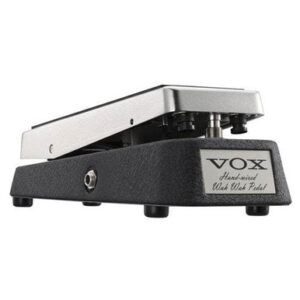
Then there’s the kicker! You can take complete hands-free control of the Mid-EQ Frequency via a regular expression-pedal. This lets you make instant tone changes on the fly, as well as unleash everything from fast and quacky wah-like sounds to slow and enveloping phasery filter sweeps.
Specifications
- Power: 9V DC PSU (negative center, 2.1mm)
- Current Draw: 30mA (approx)