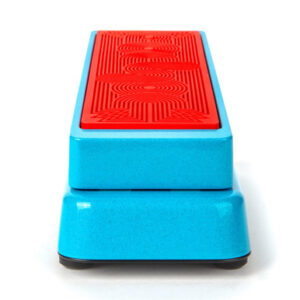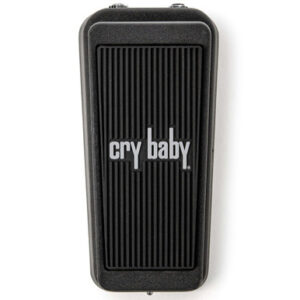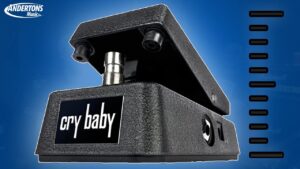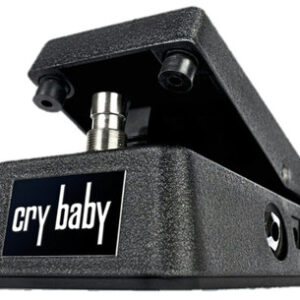
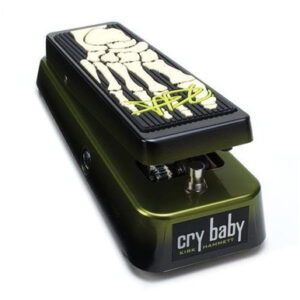
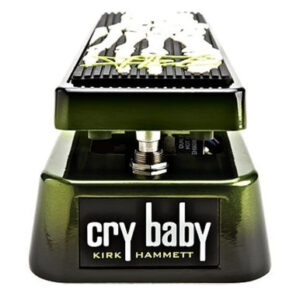
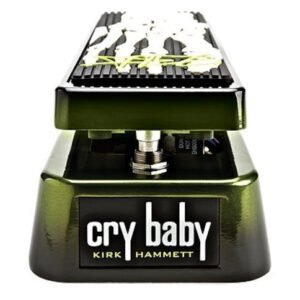
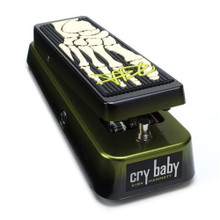
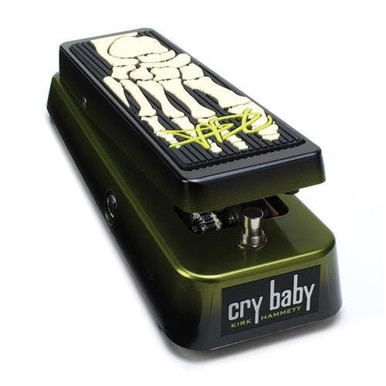
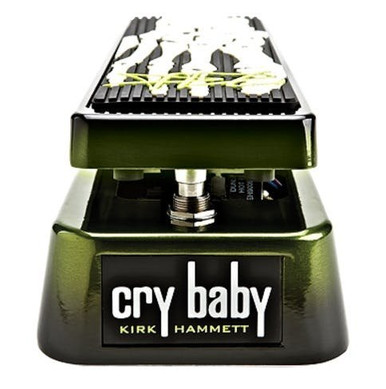
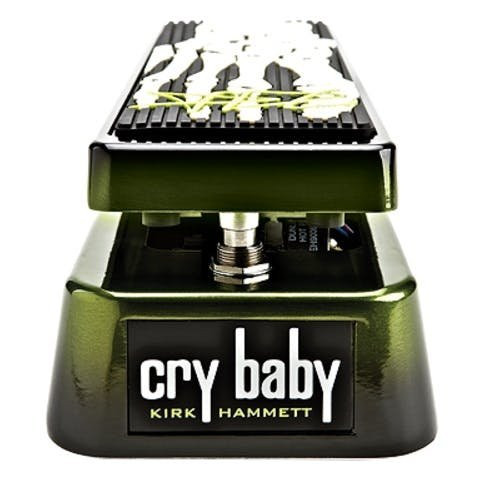
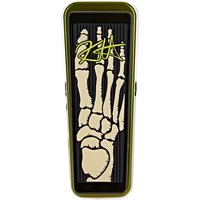
Jim Dunlop KKH95 Kirk Hammett Signature Wah pedal

£219.00

This is a New Jim Dunlop KKH95 Kirk Hammett Signature Wah pedal from Jim Dunlop, listed in Wah & Filter Pedals on Just Pedals. Read More below.

View Just
more
  • Kirk Hammett’s legendary wah-wah tone.
  • Thick top end and full dynamic range.
  • Kirk Hammett inspired graphics and tread.

Now you can command the same killer wah tone as Kirk with the new Kirk Hammett Signature Wah. Developed in close collaboration with the metal guitar icon himself, it has been meticulously tuned and tweaked to deliver the wah-wah sound that revolutionized metal solos in the ’80s and for all time to come. This is the legendary tone that Kirk dials in on tour, using his DCR1SR Cry Baby Rack Wah. Dunlop’s engineers took Kirk’s EQ, volume and tone settings-reflecting decades of blazing Cry Baby riffology-and reproduced them with exacting precision. The Kirk Hammett Wah is exceptionally even in response as you move from heel to toe, with a thick top end and full dynamic range. Dare to step into the footprint of a giant. Own a piece of the legend: the Kirk Hammett Signature Wah from Dunlop.

Power: Dunlop ECB003 AC Adapter or Single 9 volt battery
Related videos

Brand

Jim Dunlop

In the current JustPedals catalogue, Jim Dunlop is represented by Wah & Filter Pedals, Fuzz Pedals and Volume Pedals. Current listings include MXR GT Overdrive, DVP4 Volume X Mini and Slash Wah. That makes the range relevant to players looking for drive, gain and clipping, plus time-based effects and ambience. Check each model for its exact circuit or processing platform, controls, power requirements and connections, particularly where the catalogue includes both pedals and supporting gear.

Category

Wah & Filter Pedals

Wah and filter pedals move or emphasise a frequency range to create a vocal sweep, resonant peak, cocked-wah tone or envelope-controlled response. A treadle wah is controlled by foot position; an auto-filter follows playing dynamics or a control source. Sweep range, resonance, Q, bias, input loading and bypass all change the feel. Check whether the circuit prefers to see the guitar directly, how it handles bass or synth signals and where it should sit around fuzz, overdrive and modulation.