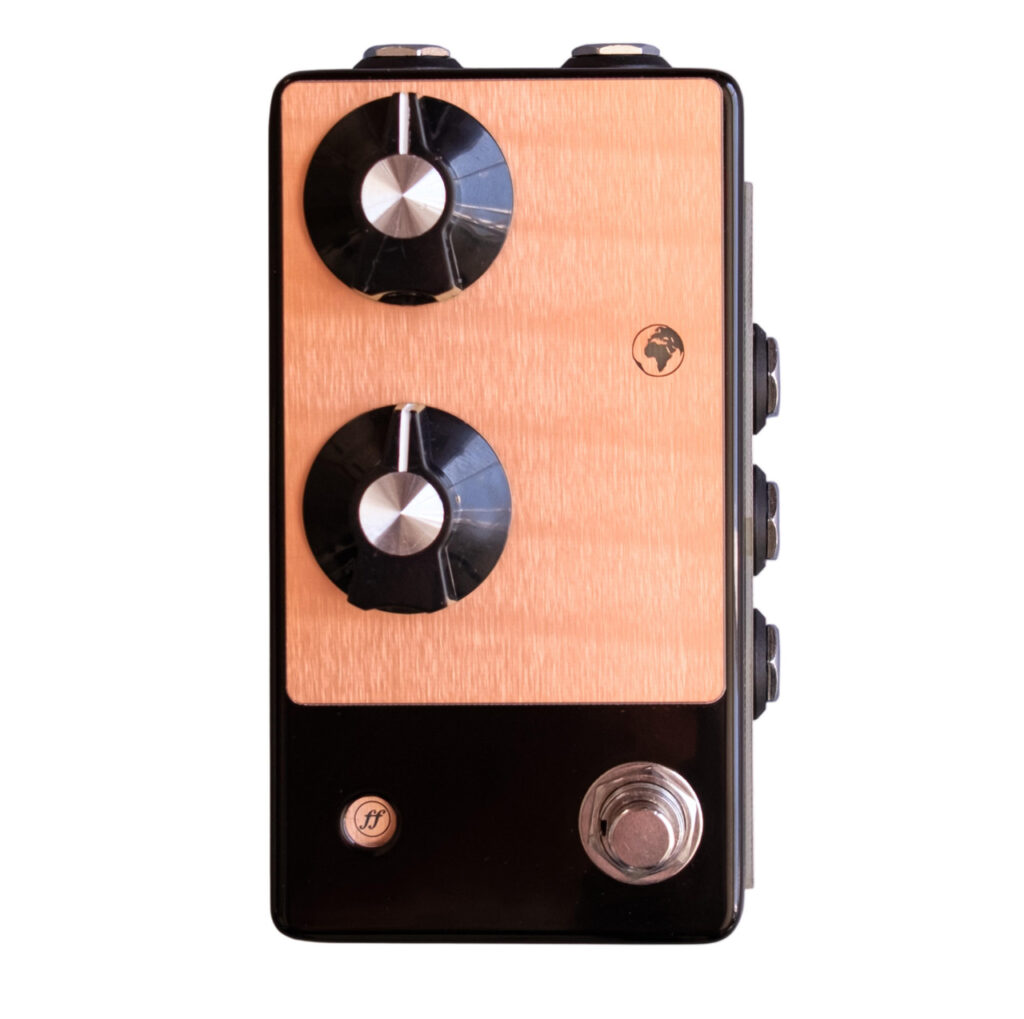



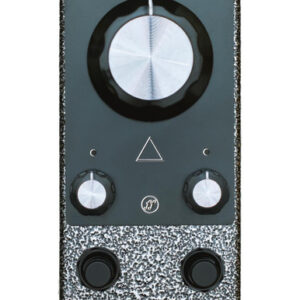
MIDGARD is warm, beautiful fuzz pedal with a built-in signal translator. You can plug straight into the fuzz itself, or go through a studio-grade preamp using Texas Instruments’ SoundPlus™ op-amp technology for the ultimate low-noise experience, before the signal slams through a cheap, dirty old transformer choke mimicking my own ’57 Fender Musicmaster’s neck pickup. This has been done before, with lesser components, but what sets MIDGARD apart is you can also attach a volume pedal to get the amazing, classic guitar cleanup clean tone anywhere in your signal chain and with any instrument. Furthermore, you can bypass the fuzz portion and leave the translator on, and now your entire guitar pedal collection can be used for pretty much any application, any instrument and any audio signal. Think of the possibilities!



Fjord Fuzz MIDGARD Fuzz and Preamp Pedal
This is a New Fjord Fuzz MIDGARD Fuzz and Preamp Pedal from Fjord Fuzz its found in our Preamp & DI Pedals on the Just Pedals menu. Read More below.
As an affiliate partner, we may earn a small commission when you buy through our links — at no extra cost to you.
Brand
Fjord Fuzz
In the current JustPedals catalogue, Fjord Fuzz is represented by Fuzz Pedals, Octave Pedals and Preamp & DI Pedals. Current listings include Frei 2 Uni-Vibe, ODIN Octave Fuzz and FJAER Spring Reverb. That makes the range relevant to players looking for drive, gain and clipping, plus modelling, direct rigs and multi-effects. Check each model for its exact circuit or processing platform, controls, power requirements and connections, particularly where the catalogue includes both pedals and supporting gear.
Category
Preamp & DI Pedals
A preamp brings an instrument signal to a controlled level and shapes its impedance, gain and frequency balance before amplification or recording. A DI converts the signal for a balanced, low-impedance connection and may include ground lift, pad and transformer isolation. Combined units can add drive, cabinet filtering, effects loops and parallel outputs while keeping the direct path stable.
Tags
Fuzz
Pushes the signal into extreme clipping, often approaching a square wave and producing dense harmonics. Transistor type, bias, input loading and filtering govern whether the texture is smooth, woolly, gated, spluttering, octave-rich or highly responsive to the instrument volume.
Others Just Ordered :
- I Love A Happy Accident… – Animals Pedal

- Animals Pedal Vintage Van Driving is Very Fun Overdrive
- Animals Pedal Sunday Afternoon Is Infinity Bender

- Ninevolt Pedals | Bath Time Reverb (Animals Pedal)

- This Fuzz Pedal Makes No Sense… But It Sounds Incredible

- ANIME Pedals | Animals Pedal Custom Illustrated Series