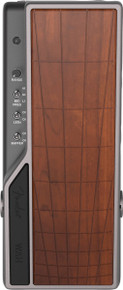
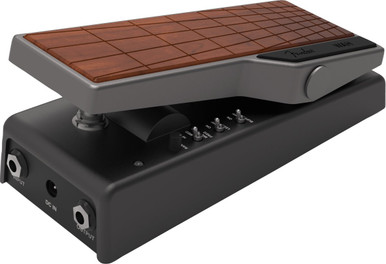
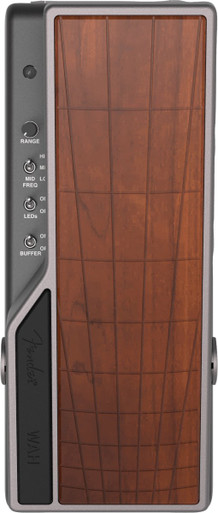
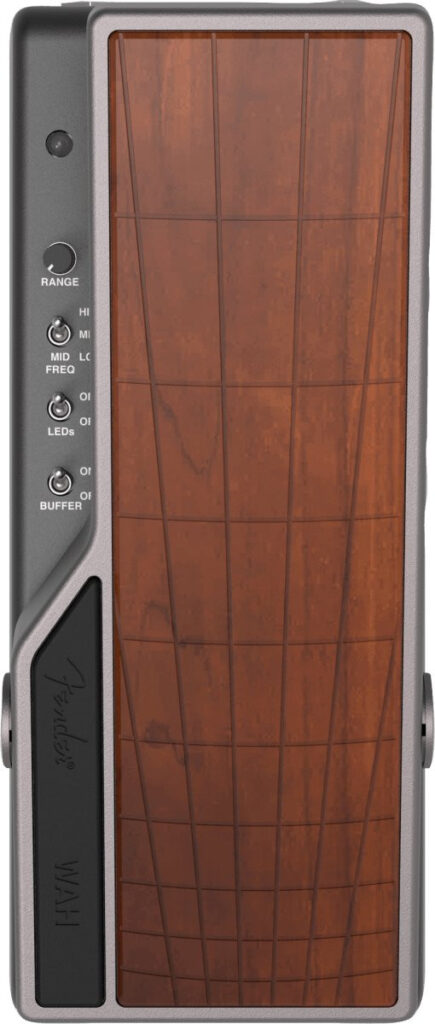
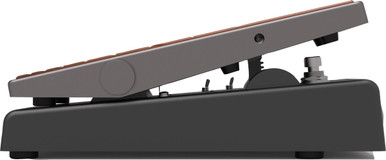
Fender Tread-Light Wah Pedal

£94.99

This is a New Fender Tread-Light Wah Pedal from Fender, listed in Wah & Filter Pedals on Just Pedals. Read More below.

View Just
more
and

Here’s What Fender Say About the Tread-Light Wah Pedal:

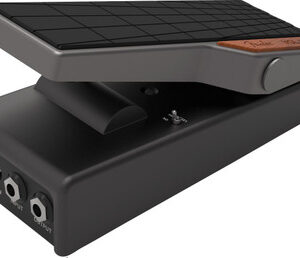
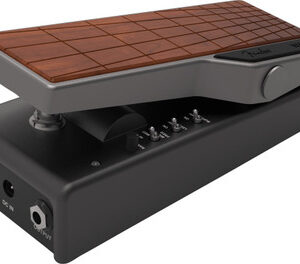
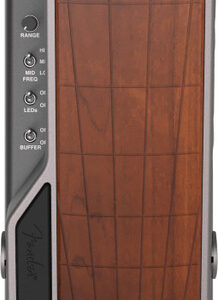
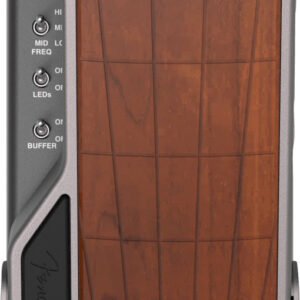
Not able to see your wah pedal in the dark? Don’t cry about it. Fender’s Tread-Light™ Wah Pedal contains a unique, switchable under treadle LED that allows for ease of visibility on stage under any light. It features adjustable treble and a three-way top mounted mid-frequency toggle for a variety of tonal options. The internal buffer can be switched to a buffered or classic wah effect.

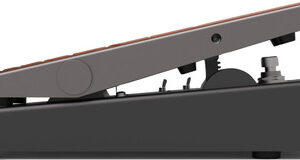
Designed by Fender’s in-house team of experts, the Tread-Light™ Wah Pedal is an all-original Fender circuit. The stage-ready chassis and treadle are crafted from lightweight, durable anodized aluminium, with a wooden pad designed for the rigors of live performance. The switchable LED indicates when the pedal is active and ready for use.

Features

  • Analog Wah Pedal
  • Adjustable 3-Way frequency selector
  • Under-treadle LED
  • Switchable Internal Buffer

Related videos

Brand

Fender

Fender’s effects line draws on the company’s Southern California instrument-and-amplifier history. The all-original pedal range Fender introduced in the late 2010s was designed in Southern California with input from gigging and studio musicians. JustPedals listings include The Bends compressor, Marine Layer reverb, Pugilist distortion, Tre-Verb and Smolder Acoustic Overdrive. That range connects familiar Fender amplifier sounds with dedicated stompboxes, while also covering bass and acoustic applications. The brand name does not indicate where every model was manufactured; compare each pedal’s controls, routing and model-specific specifications.

Category

Wah & Filter Pedals

Wah effects sweep a resonant band-pass or related filter through the frequency spectrum, creating the vowel-like movement associated with the treadle. Envelope filters move automatically in response to picking level, while fixed and sequenced filters use other control sources. Sweep range, resonance, direction, sensitivity and input loading determine whether the response is vocal, percussive, smooth or sharply synthetic.

Tags

Analogue

The signal is shaped by continuously varying electronic circuitry rather than being converted into a digital effect algorithm. Component choice, operating voltage and circuit tolerances influence headroom, noise, clipping texture and the small variations in response between designs.