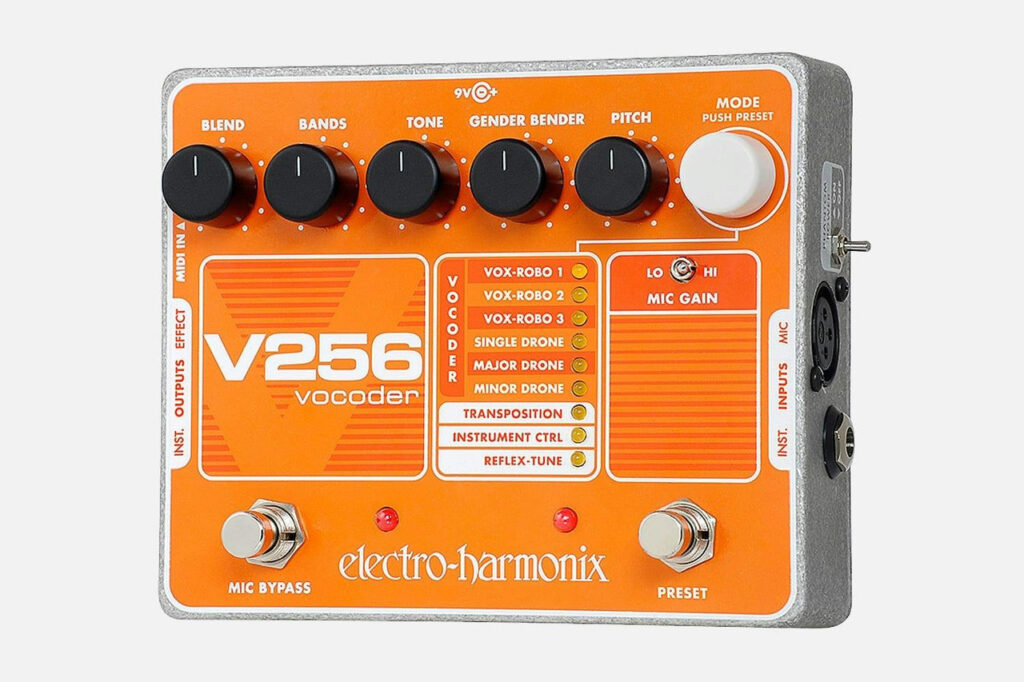
Brand
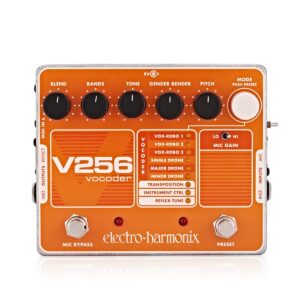
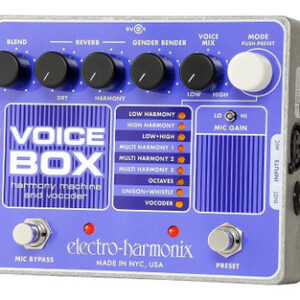
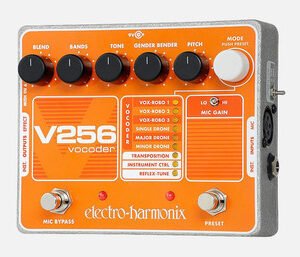
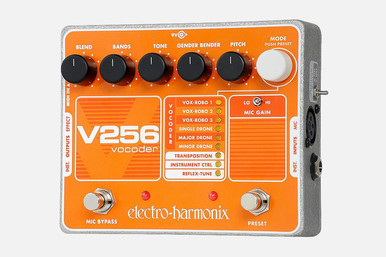
Electro-Harmonix (EHX) is a legendary manufacturer of guitar pedals and audio electronics, renowned for their distinctive sound and pioneering designs. Established in 1968 by Mike Matthews, EHX has played a significant role in shaping the landscape of effects pedals. The company’s pedals are celebrated for their innovative circuits and unique tones, earning them a dedicated following among musicians across genres. From classics like the Big Muff Pi fuzz to modern favorites like the POG octave generator, Electro-Harmonix pedals are known for their versatility and sonic character.
EHX’s product lineup spans a wide range of effects categories, including distortion, modulation, delay, and reverb, among others. Their pedals often feature intuitive controls and rugged construction, making them suitable for both stage and studio use. In addition to their iconic standalone pedals, Electro-Harmonix has also produced notable units such as the Memory Man delay/echo and the Holy Grail reverb, which have become staples in many guitarist’s rigs. With a legacy of innovation and a commitment to quality, Electro-Harmonix continues to be a leading force in the world of guitar effects, inspiring musicians to explore new sonic possibilities.
Category
Specialist effects pedals sit outside the standard overdrive, delay, reverb and modulation boxes, or combine those processes in unusual ways. This broad category can include ring modulation, granular and sample-based effects, freeze and sustain devices, feedback tools, lo-fi processors, envelope circuits, rotary simulation, glitch, experimental filters and signal routers. The description on the individual product matters because the controls and signal path vary widely. Look for tracking, latency, dry blend, expression or MIDI support, headroom and bypass behaviour; specialist does not mean random, but it does mean the usual effect label is not enough.
Tags
Uses digital conversion and processing to create, store or control the effect. This can provide presets, complex routing and repeatable algorithms, but latency, conversion and power requirements depend on the design.
Connects input directly to output through mechanical or relay switching when the effect is off, removing the active circuit from the audio path. It avoids buffer colour but leaves cable capacitance and switching design to influence high-frequency loss and possible switching noise.
Designed for microphone-level signals and the frequency, dynamics and feedback behaviour of the human voice. Input gain, balanced connections, phantom power and pitch tracking may be provided so effects respond correctly before the signal reaches a mixer or PA.