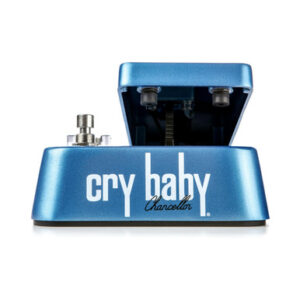
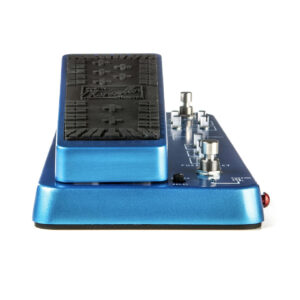
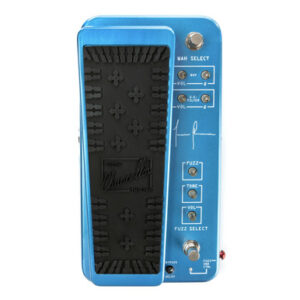
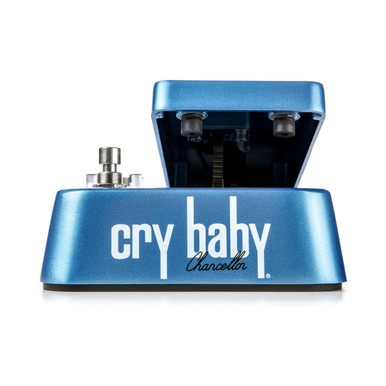
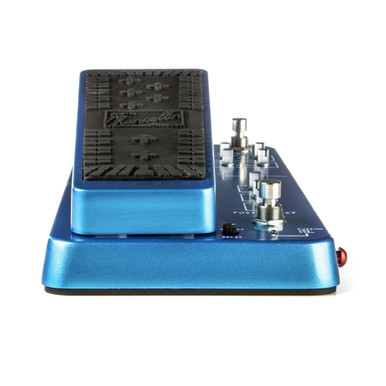
Jim Dunlop JCT95 Justin Chancellor Signature Cry Baby Bass Wah, Fuzz & Filter Pedal

£339.00

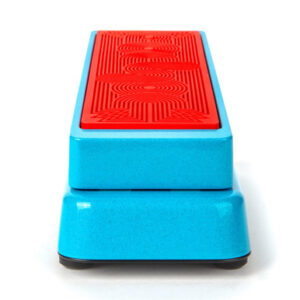
This is a New Jim Dunlop JCT95 Justin Chancellor Signature Cry Baby Bass Wah, Fuzz & Filter Pedal from Jim Dunlop, listed in Wah & Filter Pedals on Just Pedals. Read More below.

View Just
more
and , ,

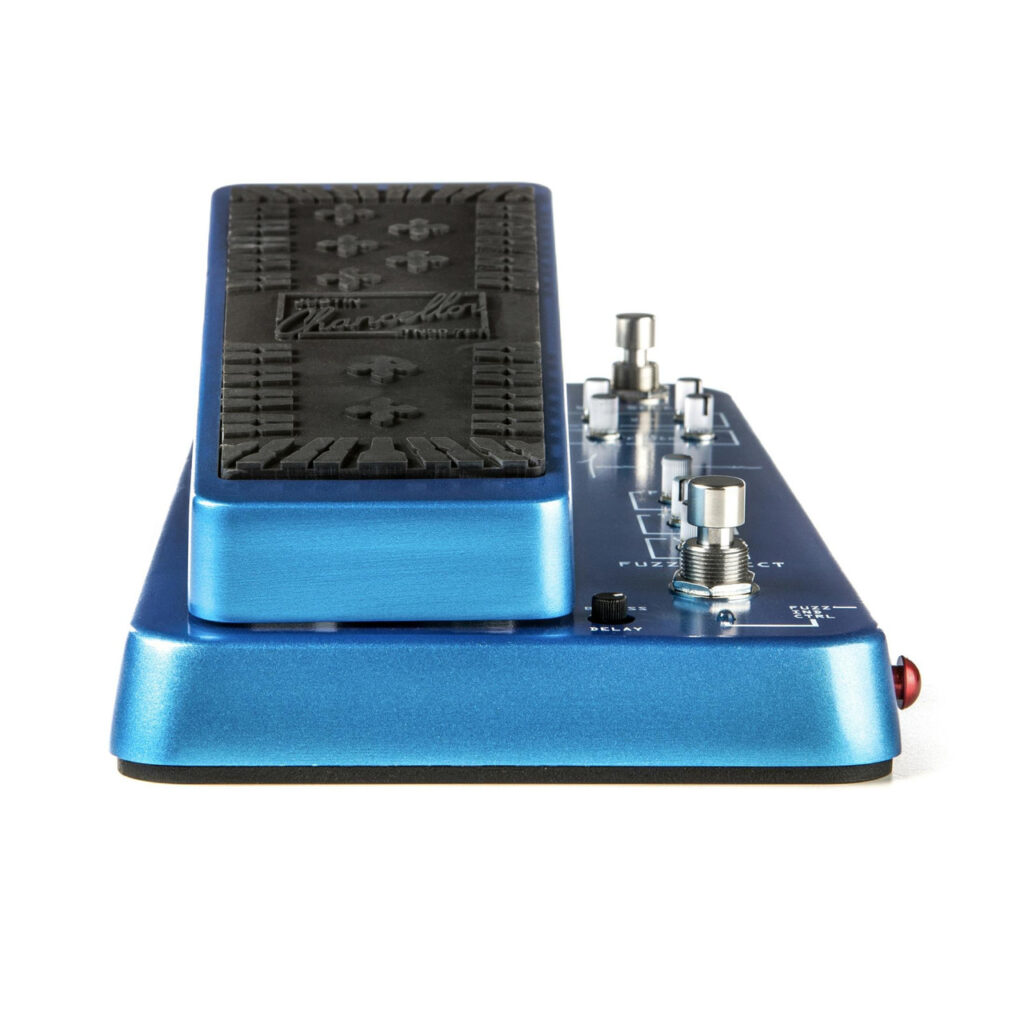
Justin Chancellor is a sonic pioneer. The musical backbone of his Grammy award-winning band Tool, Chancellor is recognised for his percussive bass playing, but is also lauded for his creative, effects-laden melodic parts that really take you on a trip! The Jim Dunlop JCT95 Justin Chancellor Cry Baby wah pedal brings three of his favourite effects together in a single housing — the fluid expressiveness of a custom mid-range filter, the bright aggression of a custom wah circuit, and the chainsaw grind of a vintage fuzz.

In short, this incredible tool (pun intended) is perfect for bassists who want to push the musical boundaries. Whether opening up soundscapes with chords and harmonics, or syncing up with a guitarist to perform arresting single-note unison runs — this pedal gives you plenty to play with!

Key Features

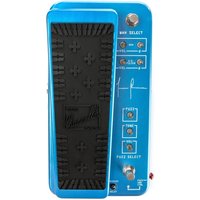
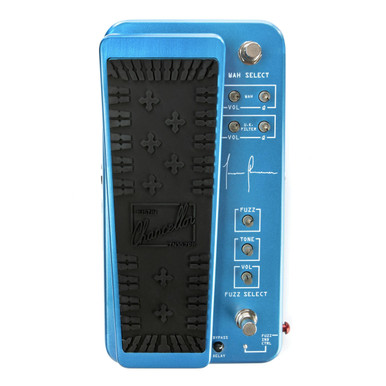
  • 2 Wah Voices — 'U.K. Filter' and 'Wah' modes provide two tone-warpingly distinct variations on a theme.
  • U.K. Filter Mode — Thick and throaty, designed to emulate the unique envelope-like filtering of the tone control on Justin's bass. When combined with the built-in fuzz, the U.K. Filter voice generates incredibly smooth, synth-like sounds.
  • Wah Mode — Brilliant, aggressive and lush. If you prefer a more traditional wah tone, this mode employs the classic red Fasel inductor and the circuitry of a modified Cry Baby for a gnarlier sound with brilliant harmonics. It really cuts through with the fuzz engaged!
  • Wah Select Footswitch — Move between the two wah voices at any time, with separate Volume and Q controls giving you ultimate control.
  • Custom Circuitry — In both modes, the pedal maintains the thickness and heft of your low-end by boosting your clean signal at 400Hz and blending it with the effect signal at the beginning of the rocker’s sweep.
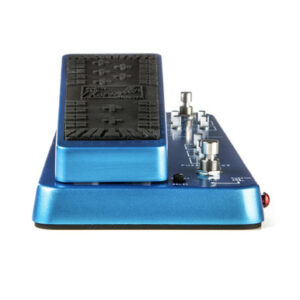
  • Vintage Fuzz Circuit — Based on Justin’s go-to fuzz; a ferocious device of vintage UK origin. Has a tighter focus than most fuzzes, while retaining much of the bass signal's punch. By default, you’ll only hear the fuzz when using the rocker pedal, but you can kick the switch on the side to run it independently.
Related videos

Brand

Jim Dunlop

In the current JustPedals catalogue, Jim Dunlop is represented by Wah & Filter Pedals, Fuzz Pedals and Volume Pedals. Current listings include MXR GT Overdrive, DVP4 Volume X Mini and Slash Wah. That makes the range relevant to players looking for drive, gain and clipping, plus time-based effects and ambience. Check each model for its exact circuit or processing platform, controls, power requirements and connections, particularly where the catalogue includes both pedals and supporting gear.

Category

Wah & Filter Pedals

Wah and filter pedals move or emphasise a frequency range to create a vocal sweep, resonant peak, cocked-wah tone or envelope-controlled response. A treadle wah is controlled by foot position; an auto-filter follows playing dynamics or a control source. Sweep range, resonance, Q, bias, input loading and bypass all change the feel. Check whether the circuit prefers to see the guitar directly, how it handles bass or synth signals and where it should sit around fuzz, overdrive and modulation.

Tags

Bass

Bass products are designed or voiced to retain low-frequency information and usable headroom with bass guitar or other low-register sources. Controls may centre on clean blend, low-end EQ, compression, crossover points or drive character. A guitar pedal can sometimes work well on bass, but it may remove the fundamental or compress the transient. Check the frequency response, input impedance, output level and dry-signal path with the intended tuning and amplifier.

Fuzz

Fuzz pushes a signal into intentionally non-linear clipping, often with strong sustain, compression and harmonic roughness. Circuits range from gated splutter and octave-rich textures to broad, woolly saturation, and their response can change with pickup level and guitar volume. Bias, tone, gain and input impedance affect the clean-up and feel. Check whether the fuzz prefers to see the guitar directly, how it handles buffers, and its power and noise requirements.

Vocal

Vocal products process a microphone signal with harmony, reverb, delay, doubling, pitch correction, distortion or tone shaping. Microphone type, phantom-power handling, input gain, footswitch control and balanced output are as important as the effect list. Check key or scale settings, monitoring, feedback control, dry-signal routing and the intended PA or interface connection before using a vocal effect on stage.