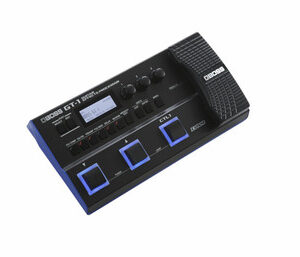
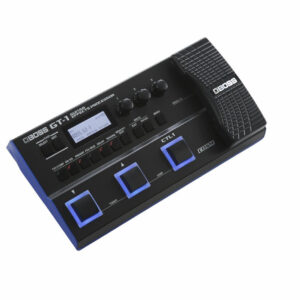
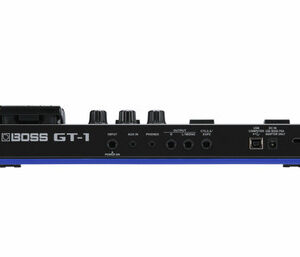
Brand
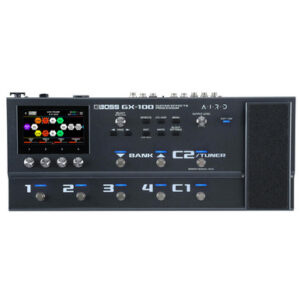
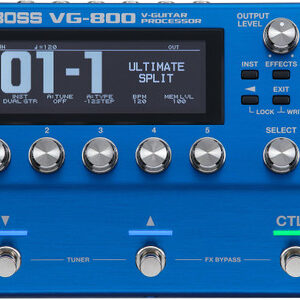
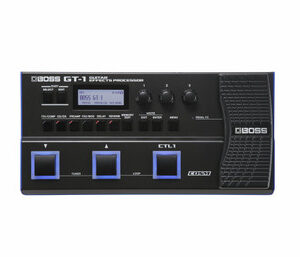
Boss is a prominent manufacturer of guitar effects pedals, multi-effects units, and related musical equipment, known for their durability, reliability, and wide range of effects. Founded in 1973 as a division of the Roland Corporation, Boss quickly became synonymous with high-quality effects pedals that are popular among guitarists and musicians worldwide.
Boss pedals are renowned for their rugged construction, intuitive controls, and signature sound quality. The company offers a comprehensive lineup of effects pedals covering various categories, including distortion, overdrive, delay, modulation, and more. Iconic pedals like the DS-1 Distortion, the DS-2 Turbo Distortion, the DD-3 Digital Delay, and the MT-2 Metal Zone have become staples on countless pedalboards due to their versatility and reliability.
Category
Boss is a prominent manufacturer of guitar effects pedals, multi-effects units, and related musical equipment, known for their durability, reliability, and wide range of effects. Founded in 1973 as a division of the Roland Corporation, Boss quickly became synonymous with high-quality effects pedals that are popular among guitarists and musicians worldwide.
Boss pedals are renowned for their rugged construction, intuitive controls, and signature sound quality. The company offers a comprehensive lineup of effects pedals covering various categories, including distortion, overdrive, delay, modulation, and more. Iconic pedals like the DS-1 Distortion, the DS-2 Turbo Distortion, the DD-3 Digital Delay, and the MT-2 Metal Zone have become staples on countless pedalboards due to their versatility and reliability.
Tags
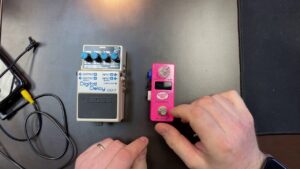
A delay pedal records your signal and plays it back after a set time, creating echoes that can range from tight, slapback repeats to long, atmospheric trails. It’s one of the most versatile effects, used to thicken tones, add rhythmic depth, or build spacious, ambient layers. Analogue delays offer warm, decaying repeats that blend naturally with your tone, while digital units provide pristine echoes with precise control over time, feedback, and mix levels.
From classic rockabilly and tape-style echoes to modern looping and shimmer effects, delay pedals have become essential tools for shaping sound. They can make solos soar, rhythms pulse, or transform simple chord progressions into cinematic textures. Whether used subtly to add dimension or boldly to create soundscapes, a good delay pedal can completely redefine the feel and atmosphere of your music.
Distortion pedals take your clean guitar signal and transform it into something bigger, bolder, and full of attitude. By clipping the waveform, they add sustain, bite, and aggression, creating that thick, compressed tone that’s powered rock music for decades. From the growling crunch of classic hard rock to the tight, saturated roar of modern metal, distortion is all about energy and presence. It gives every note weight and authority, pushing your amp to its limits and beyond.
There are countless flavours of distortion, each with its own texture and edge. Some sound smooth and creamy, others raw and gnarly like tearing fabric. It’s the sonic equivalent of turning up the heat until the sound cooks — rich, sizzling, and perfectly seasoned to taste. Whether used for rhythm muscle or soaring leads, a good distortion pedal doesn’t just add volume; it adds personality, grit, and that unmistakable sense of power under your fingers.
Expression pedals allow real-time control over specific parameters on compatible guitar pedals, such as volume, delay time, modulation depth, or filter sweep. Used with an expression input, they let players shape effects dynamically with their foot, adding movement and performance control that cannot be achieved with fixed knob settings.
Your pedal is like a signature dish for your sound — a flavour-packed creation that transforms the bland ingredients of your guitar into something unforgettable. Each one adds its own seasoning, texture, and heat, turning a simple meal into a feast of tone.
These tasty little boxes sit in a row, like plates on a buffet, letting you mix and match flavours as you play. With one tap of your foot, you can swap sweet for spicy, subtle for smoky, and serve up something completely new. From the comfort food of warm overdrive to the fiery kick of fuzz, from smooth jazz sauce to heavy-metal spice, pedals give players a full menu of options to express their taste. And just like with food, once you’ve tried one dish, you’ll want to sample them all.
Collecting, trading, and discovering new flavours soon becomes part of the joy of being a tone-loving gourmet geek with a guitar.
A looper pedal records and plays back sections of your playing, allowing you to layer sounds and build full arrangements on your own. By capturing short or long phrases, you can create rhythm parts, harmonies, or entire backing tracks in real time. Most loopers offer basic controls for record, overdub, and playback, while advanced models include multiple tracks, tempo syncing, and memory storage for saving your loops.
Loopers are invaluable for practice, songwriting, and live performance. They help you explore ideas, refine timing, and experiment with textures — from solo acoustic performances to complex ambient soundscapes. A good looper pedal becomes an instrument in itself, letting you improvise, arrange, and perform with creativity and freedom, turning one guitar into an entire band.
This is brand new, fresh in, and a UK warranty is included. New Gear always comes from trusted UK music retailers.
Like a golden layer of melted cheese — warm, gooey, and just put it all over. It adds just the right amount of richness and grit, turning a clean signal into something smooth and savoury. Designed to mimic the natural breakup of a tube amp pushed to its sweet spot, overdrive delivers the flavour of classic rock and blues in every bite. From creamy mid-gain warmth to crisp edge-of-breakup sparkle, it’s the comfort food of guitar tone — simple, satisfying, and endlessly versatile. Whether it’s a mild crunch or a full-bodied roar, overdrive is where good taste begins.
A preamp pedal shapes and boosts your guitar’s signal before it reaches your amp or recording interface, giving you control over tone, gain, and headroom. It acts as the first stage of amplification, adding warmth, clarity, and character while preparing your signal for the next part of the chain. Some preamps emulate the response of classic valve circuits, while others offer clean, transparent tone shaping ideal for acoustic instruments or direct recording setups.
Used on its own, a preamp pedal can serve as the foundation of your tone, providing a consistent core sound wherever you play. When combined with other effects, it enhances dynamics and helps each pedal sound more defined and natural. Whether you’re looking to push your amp harder, bring life to a dull signal, or refine your sound for the studio, a good preamp pedal adds presence, punch, and musicality to any rig.
A reverb pedal is like the rich sauce that ties every flavour on the plate into one smooth experience. It adds depth, warmth, and atmosphere — the sonic equivalent of a perfectly reduced glaze that lingers on the tongue. Whether you’re after the subtle ambience of a cosy café (spring or plate reverb) or the grand echoes of a cathedral (hall or shimmer reverb), this is where your tone breathes and expands. A touch of reverb can turn a dry sound into something lush and inviting — but pour on too much, and it’s all you can taste. Used with finesse, it’s the finishing touch that transforms your tone from plain to unforgettable.
A tuner is an essential pedal or device that helps keep your guitar perfectly in tune by detecting the pitch of each string and showing whether it’s sharp or flat. Tuners come in many forms, from simple clip-on units to advanced pedalboard models with bright displays and muting options for silent tuning on stage. They ensure accurate pitch, stable tone, and a more professional sound, making them one of the most important tools for any guitarist.
Wah refers to an expressive filter effect that sweeps through a range of frequencies, creating a vocal-like “wah” sound. Controlled in real time with a foot-operated treadle, it allows players to emphasise different parts of the frequency spectrum as they play. Wah pedals are commonly used for lead guitar, funk rhythm work, and expressive solos, responding closely to picking dynamics and foot movement.