Category
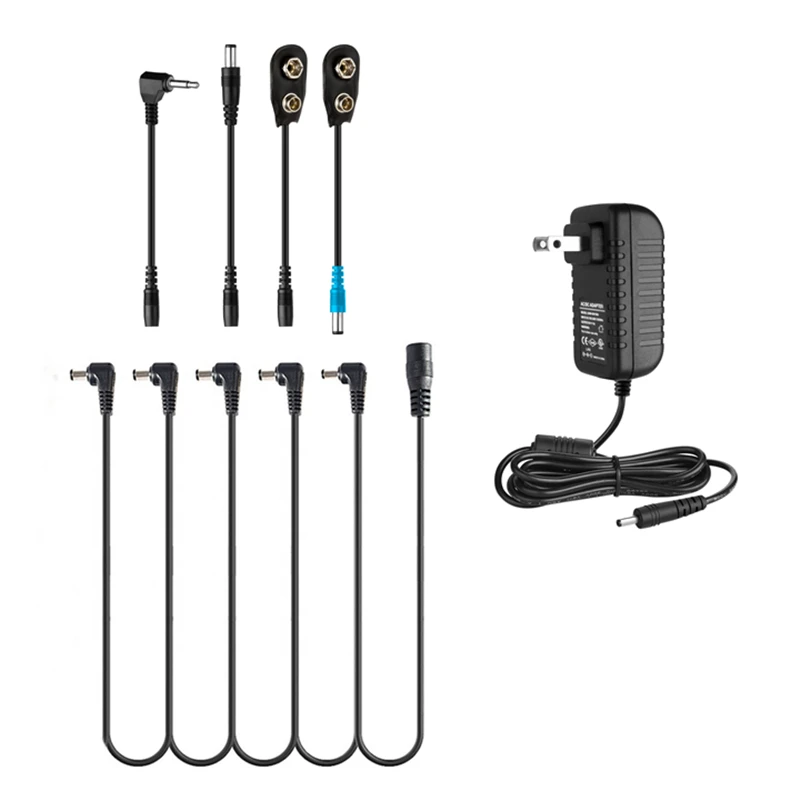
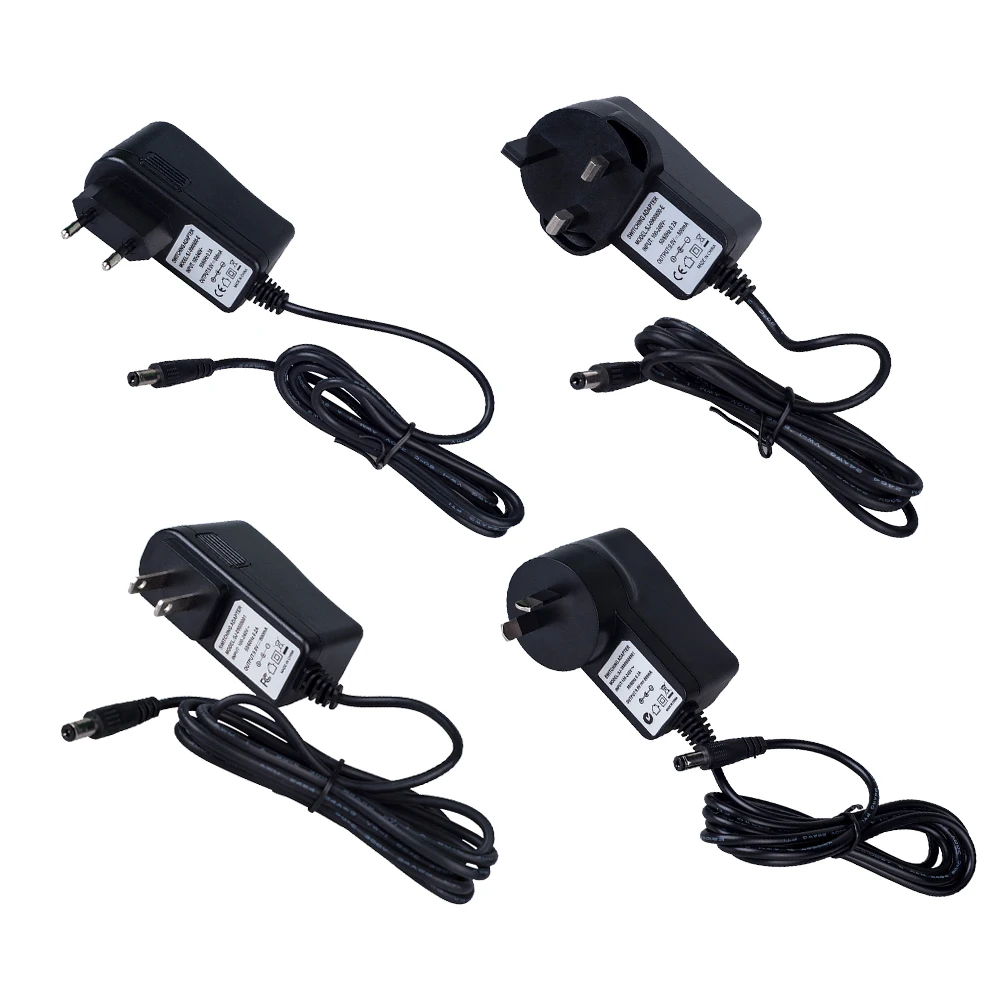
A pedal power supply converts mains or battery power into the regulated DC outputs required by an effects board. True isolated outputs break ground paths and reduce interaction between pedals, while daisy chains share a common supply. Each output must match voltage, polarity and current demand; switchable voltages, high-current sockets, IEC or external adapters and mounting dimensions affect compatibility.
Tags
Build-your-own pedal products are intended for assembly rather than immediate plug-and-play use. The project may involve soldering a circuit board, wiring jacks and switches, drilling or finishing an enclosure and testing for noise or shorts. Difficulty depends on the instructions and how much is pre-populated. Check the parts list, tools, expected voltage, enclosure work and skill level before starting, and allow time for troubleshooting rather than treating the kit as a finished pedal.
Effect pedal kits provide a set of parts for building an effects unit, often including a circuit board, components, enclosure or hardware. They can be a useful way to learn how clipping, filtering, gain and switching are implemented, but the required work varies from guided assembly to a full wiring and enclosure project. Read the build notes, check the expected voltage and make sure the kit includes the parts and tools needed for the intended finish.
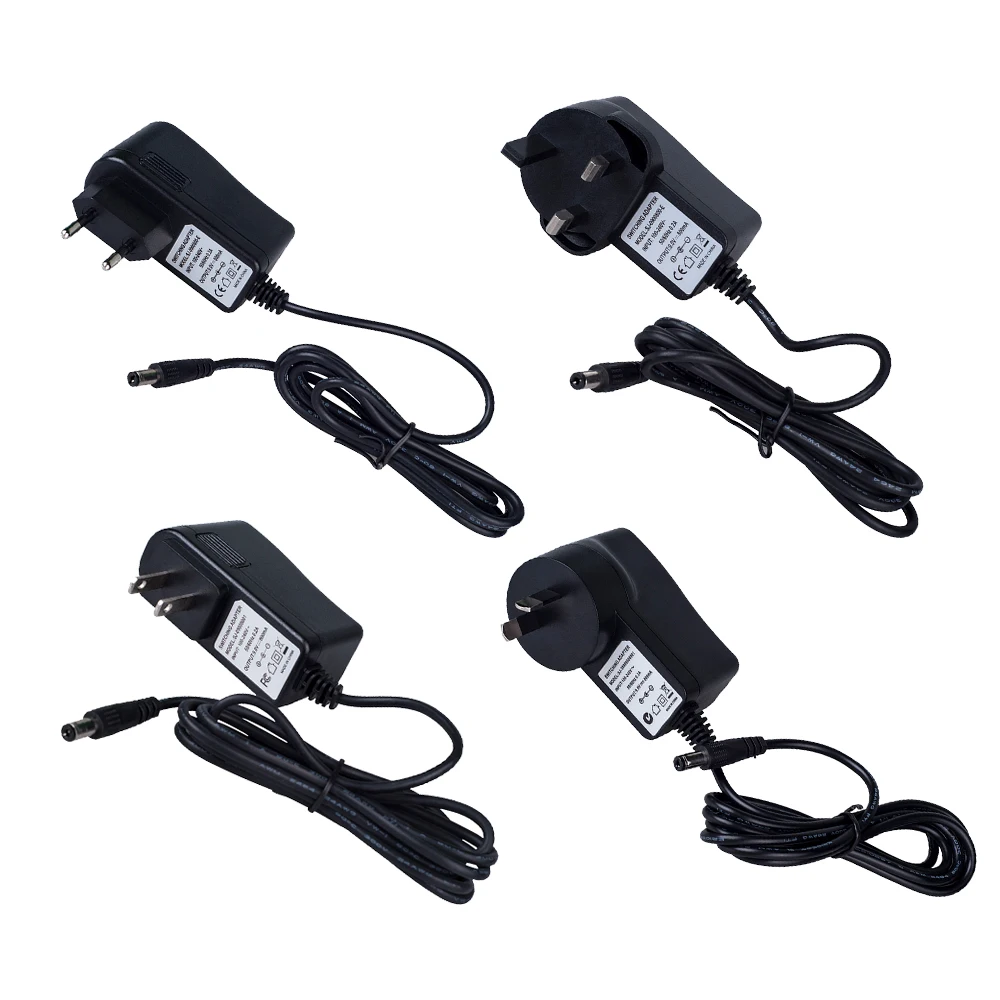
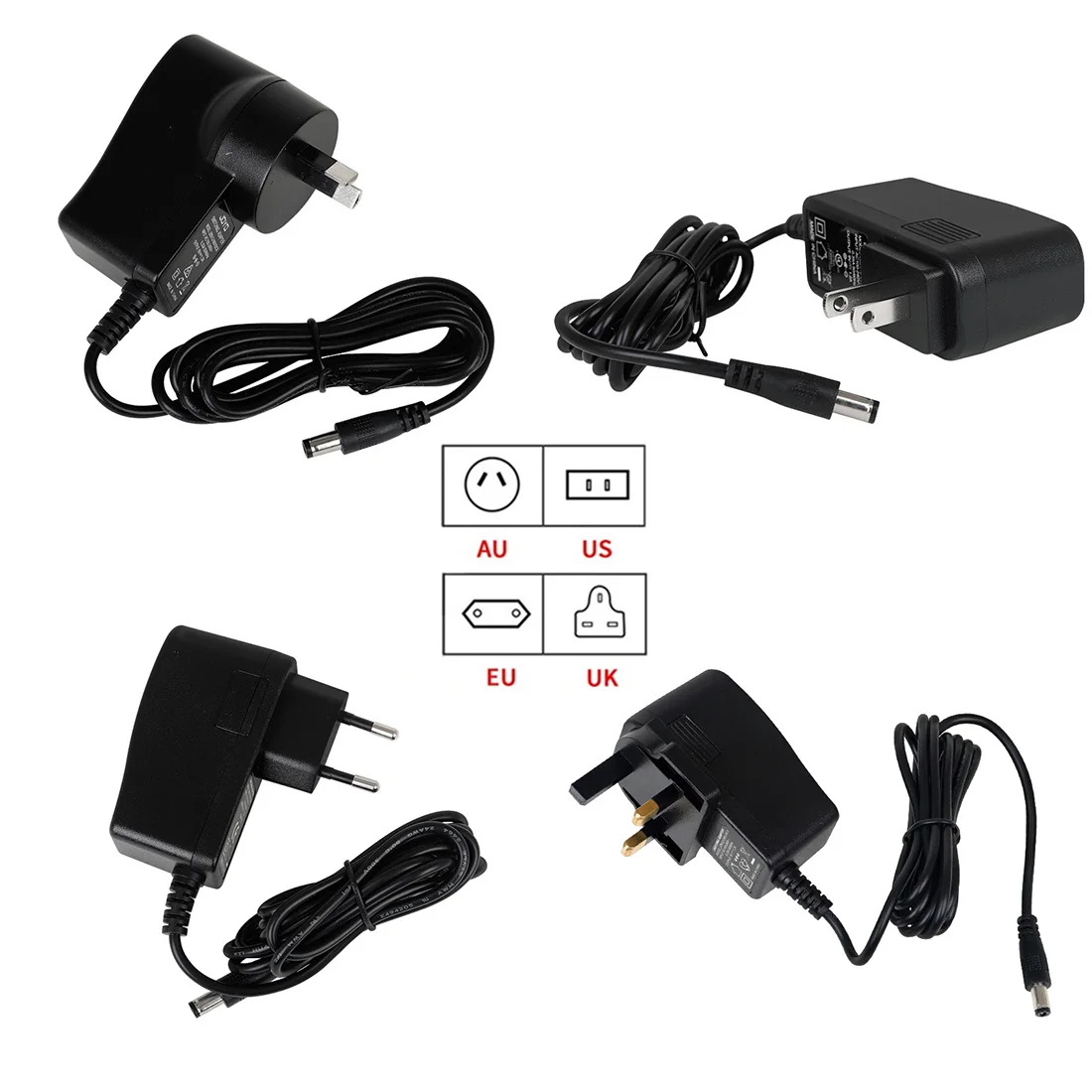
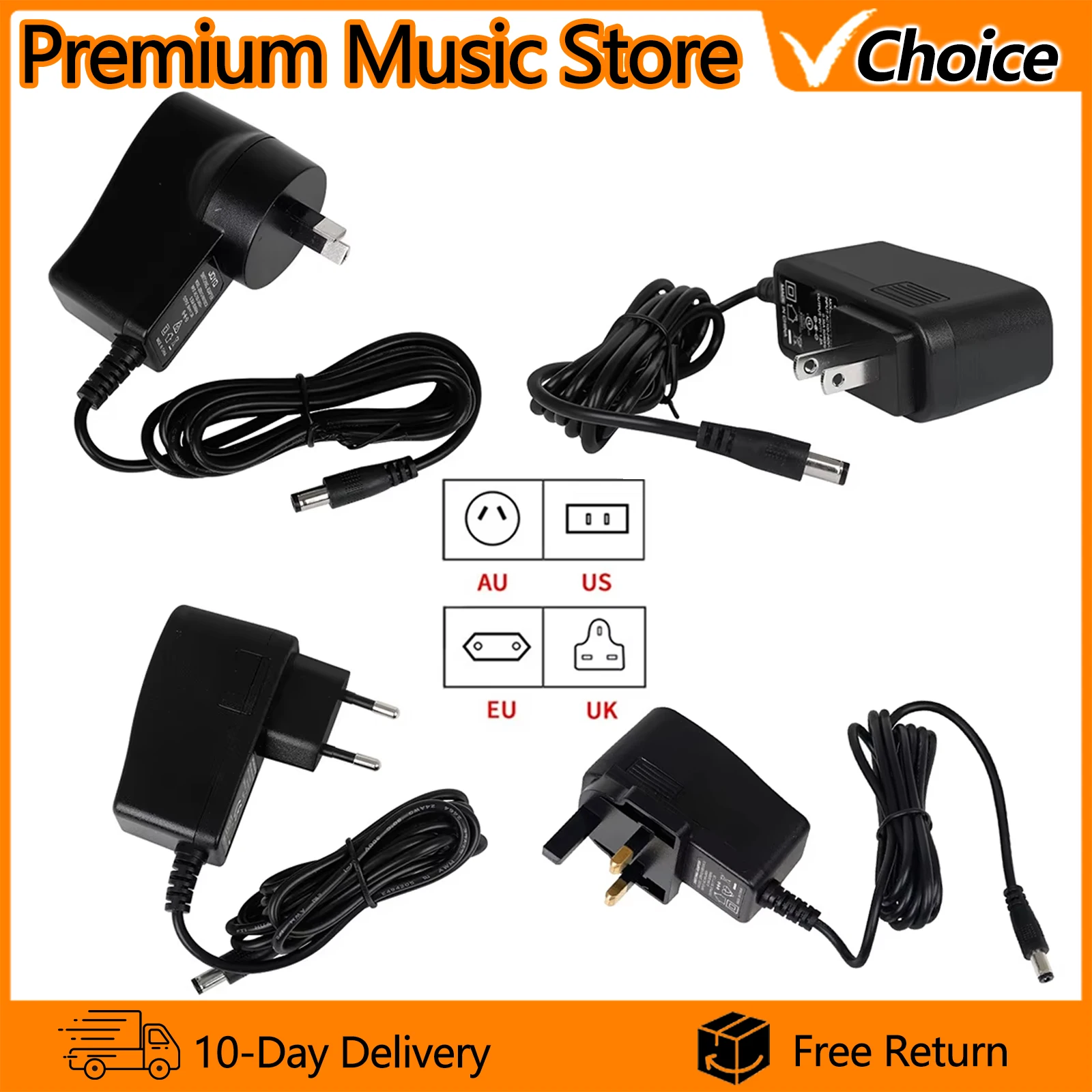
Power supply is a connection and compatibility label for devices that distribute or provide DC power to pedals and related equipment. Voltage, polarity, connector size and current capacity must match the device; digital and wireless products often need more current than analogue stompboxes. Check whether the output is isolated, how many devices can be connected, the mains input and available headroom rather than choosing only by plug fit.