Brand
TC Electronic are known for innovative, studio-quality effects that combine great tone with modern technology. Founded in Denmark, they’ve shaped the sound of countless players with classics like the Hall of Fame Reverb, Flashback Delay, and Ditto Looper. Their gear is built for reliability and ease of use, offering a range of features that include lush ambient effects and precise tone shaping. Whether on stage or in the studio, TC Electronic deliver professional sound and creative flexibility trusted by musicians worldwide.
TC Electronic’s product lineup includes a wide range of guitar effects pedals known for their pristine sound quality, versatility, and cutting-edge features. From classic effects like delays, reverbs, and choruses to more experimental and unique pedals, TC Electronic offers a comprehensive selection to suit a wide range of playing styles and preferences.
Category
Tags
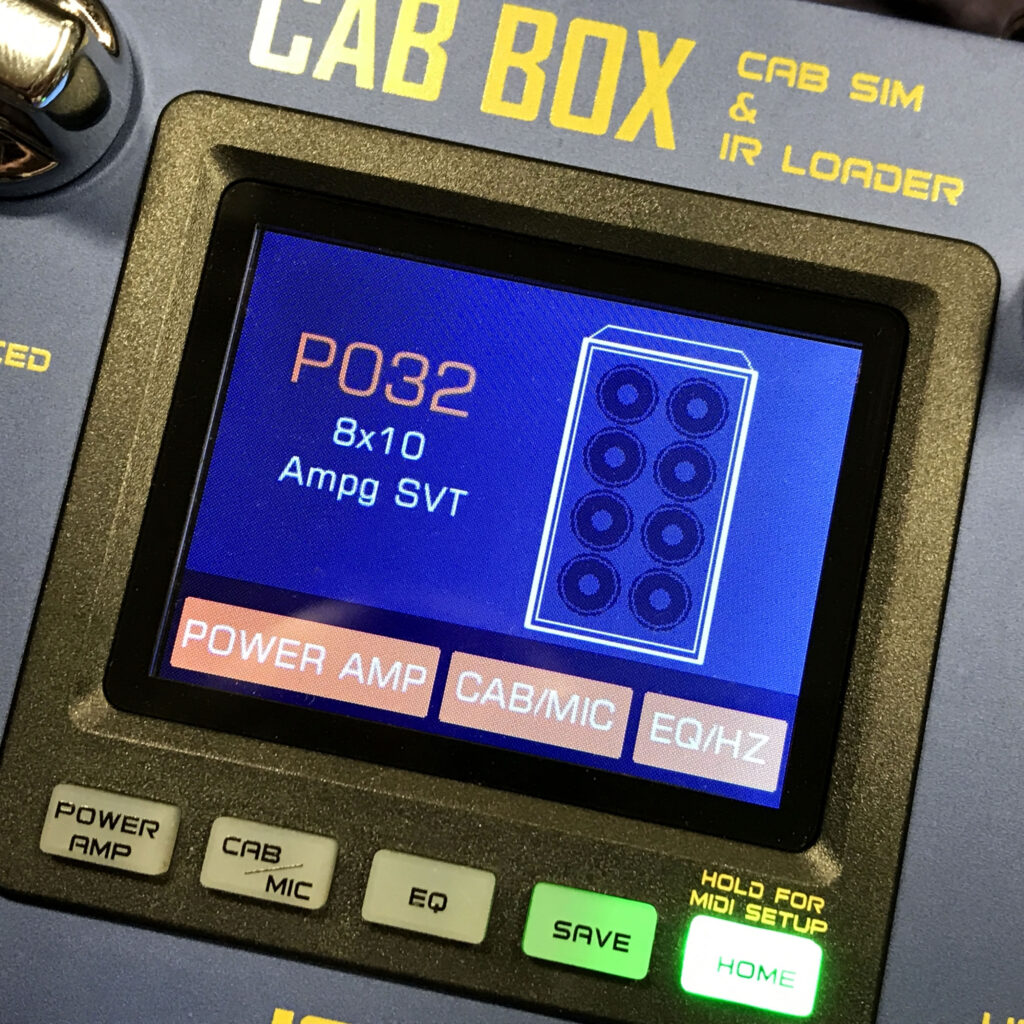
A cab sim pedal recreates the sound of a miked guitar speaker cabinet, allowing you to run direct without losing that crucial speaker character. While amp sims shape the amplifier tone, a cab sim captures the warmth, roll-off, and natural resonance of a real cabinet and speaker. Plug straight into a PA, recording interface, or headphones and still get a finished, mix-ready sound.
Use a cab sim for silent stages, late-night recording, or streamlined boards where carrying a cabinet simply isn’t practical. It’s the final seasoning in a direct rig — smoothing harsh highs, tightening the low end, and delivering that authentic “amp in the room” feel without the actual room.
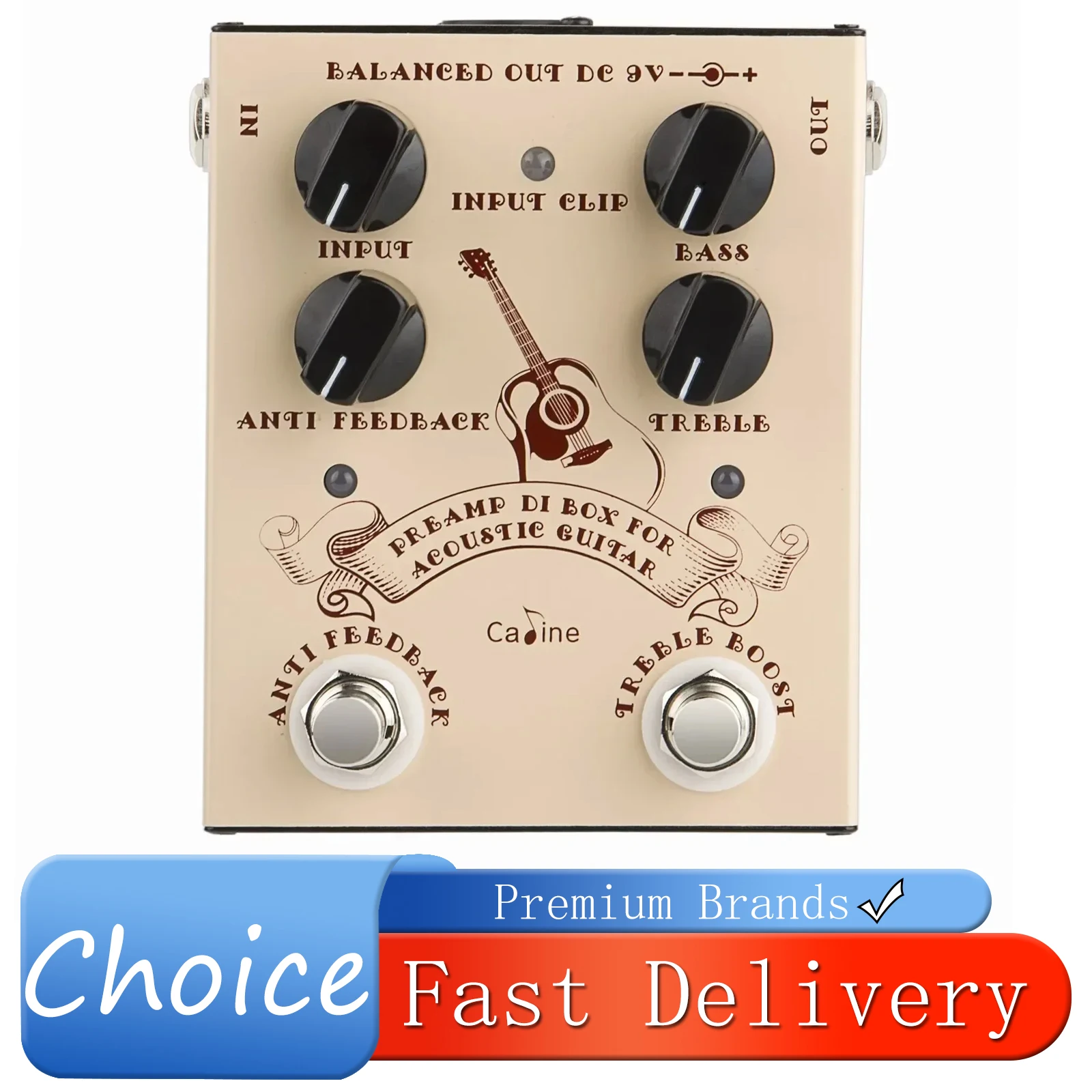
A DI pedal (Direct Injection) lets you send your signal straight to a mixing desk or audio interface with clarity and confidence. It converts your instrument’s output into a balanced signal, reducing noise and allowing for longer cable runs without losing quality. Whether you’re playing live or recording, a good DI keeps your tone clean, controlled, and stage-ready.
Use a DI to go direct at a gig, split your signal between amp and PA, or capture a pure track in the studio. It’s a practical, dependable tool that ensures what leaves your pedalboard arrives exactly as intended — solid, noise-free, and ready for the mix.
While Ed Sheeran primarily relies on the natural sound of his acoustic guitar and vocals, he occasionally uses EQ (Equalization) to shape and enhance his tone during live performances or in the studio. EQ pedals or onboard preamps can allow him to adjust the frequency response of his guitar signal to suit the acoustics of different venues or to achieve specific tonal characteristics. Here’s how EQ might be utilized in Ed Sheeran’s setup:
1. **Tonal Shaping**: EQ can be used to adjust the balance of frequencies in the guitar signal, allowing Ed Sheeran to shape his tone to his liking. For example, he might boost the midrange frequencies to bring out the warmth and presence of his acoustic guitar, or cut certain frequencies to reduce any harshness or mud in the sound.
2. **Feedback Control**: In a live setting, EQ can help control feedback by notching out problematic frequencies that might cause the guitar signal to feed back through the amplification system. This can be particularly useful when performing in venues with challenging acoustics or high volume levels.
3. **Room Correction**: In situations where the venue’s acoustics are less than ideal, EQ can be used to compensate for any deficiencies in the sound. By adjusting the EQ settings, Ed Sheeran can tailor the guitar tone to sound more balanced and natural, regardless of the room’s acoustic properties.
4. **Matching Gear**: EQ can also be used to match the tone of Ed Sheeran’s guitar to the sound of other instruments or equipment in his setup. For example, he might adjust the EQ to complement the tonal characteristics of his vocal microphone or to blend seamlessly with backing tracks or other instruments.
Overall, while EQ may not be a central component of Ed Sheeran’s guitar effects setup, it can still play a valuable role in shaping his tone and ensuring that he achieves the desired sound in different performance environments. Whether used subtly for tonal shaping or more aggressively for feedback control, EQ allows Ed Sheeran to tailor his guitar tone to suit his musical vision and performance needs.
A filter pedal shapes your tone by emphasising or cutting specific frequencies, letting you sculpt everything from subtle tonal shifts to bold, sweeping textures. Unlike traditional wah or envelope effects, filters can be static or controlled in different ways, giving you focused control over how bright, dark, sharp, or resonant your sound becomes.
Use a filter to tighten the low end, tame harsh highs, or create synth-like sweeps and rhythmic movement. Whether you’re refining your core tone or pushing into experimental territory, a filter pedal gives you precise control over the flavour of your sound.
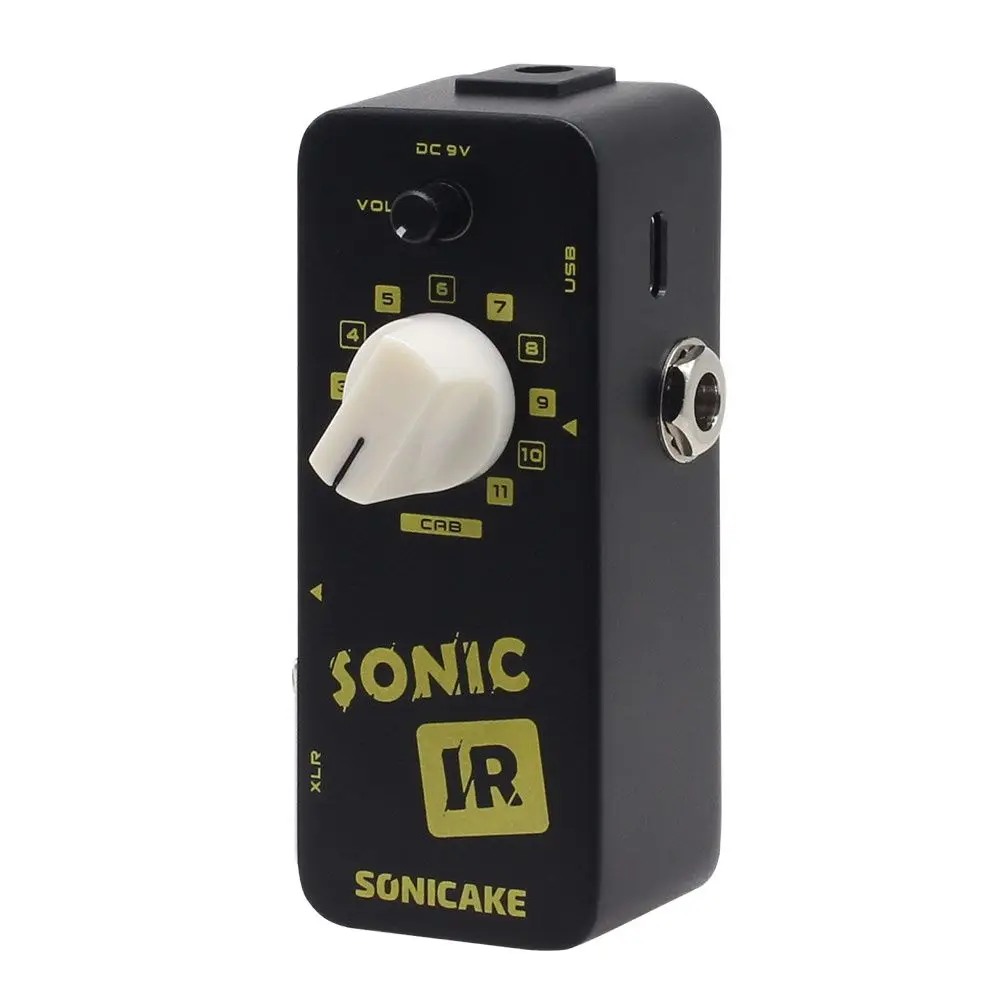
An IR loader pedal lets you use impulse responses to recreate the sound of real speaker cabinets, microphones, and recording environments with impressive accuracy. By loading digital cabinet profiles, you can shape your direct tone to feel like it’s running through specific speakers and mic setups — all without needing a physical cab on stage or in the studio.
Use an IR loader for silent recording, direct-to-PA gigs, or compact fly rigs where consistency matters. Pair it with an amp sim or preamp pedal and you’ve got a complete, mix-ready signal straight from your board — controlled, flexible, and ready for wherever you plug in.
This is brand new, fresh in, and a UK warranty is included. New Gear always comes from trusted UK music retailers.