The GigRig G3S Advanced Switching System

£1,599.00

This is the The GigRig G3S Advanced Switching System from The GigRig, listed in Pedal Switchers on Just Pedals. Read More below.

View Just
more
and , , ,

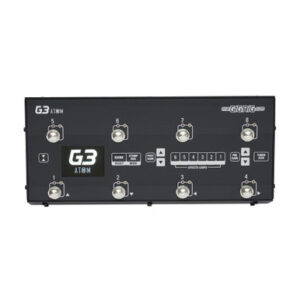
Since the launch of The Gigrig G2 Pedalboard Switcher in 2013, The Gigrig has not stopped dreaming about what would be next. 2020 saw the evolution of The Gigrig’s G switching system – the mighty G3 and G3 Atom with unparalleled signal path flexibility, MIDI control, and intuitive programming.

The Gigrig continued to bring new features to G3 such as Hi-Def Isolated Output (so no colouration through traditional transformers), as well as updated software including MIDI Sequencer, extra stomp box modes, Expression Pedal Inputs, and MIDI commands when turning presets on and off.

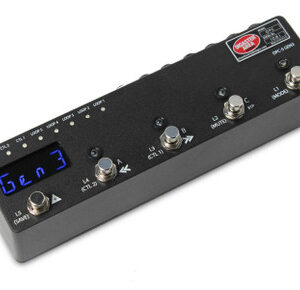
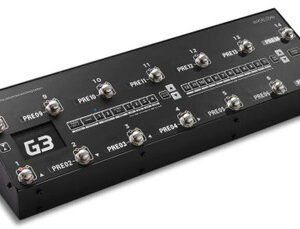
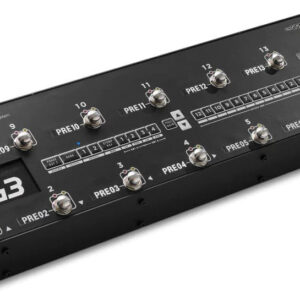
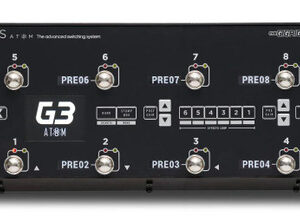
A digital display for EACH footswitch

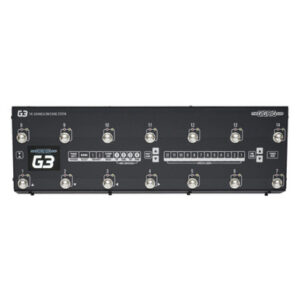
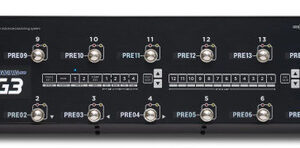
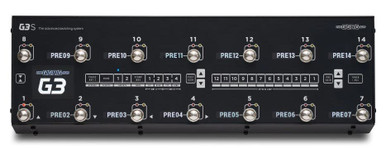
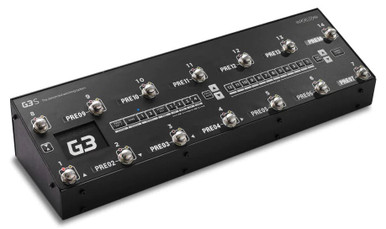
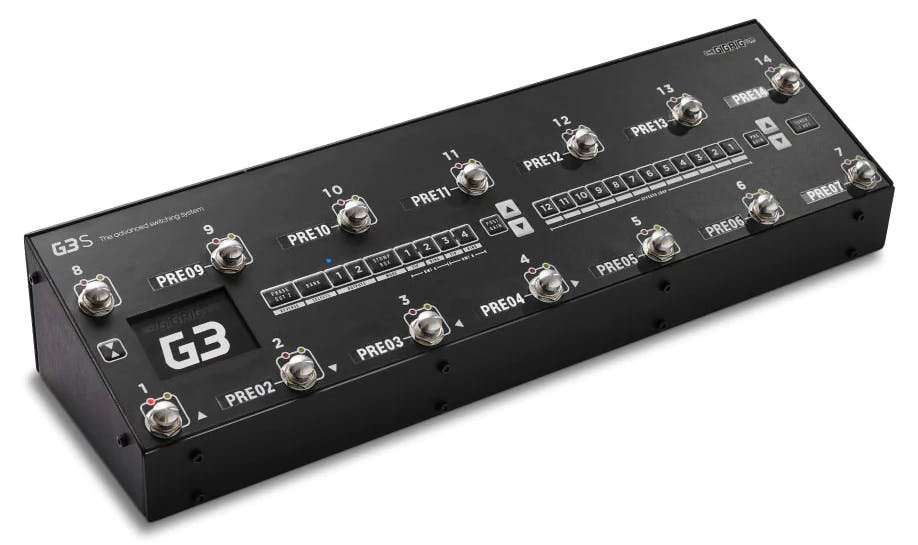
The G3S features 12 additional dedicated footswitch screens alongside the Main G3 screen, in total providing preset labels for all 14 switches.

These OLED displays are designed to be visible in any light and on even the darkest of stages – all without drawing any more current away from your power supply, and each display features up to five characters.

Bluetooth Connection

With its built-in Bluetooth, you can connect to our new G3 Web Editor, or via the G3 iOS app to edit and label your 99 banks of Presets, update software, run system backups, and edit your song lists with ease.

Key Features

  • Clear Tone Throughout Your Signal – The G3 range will not load or colour your guitar tone, letting you hear your effects and amps as they were designed to sound.
  • Bluetooth Connectivity – Create settings and create editable setlists and beam them straight into the G3!

Specifications

  • Physical size: 44cm x 13cm x 7.8cm / 17.3″ x 5.1″ x 3.07″
  • Screen size: Approximately 5 x 3.8cm / 1.96″x 1.5″
  • Power Requirements: 9V DC (2.1mm centre neg) @ 950mA.We recommend the use of The GigRig Generator power supply supplied with The G3 Switching System. (Strymon Zuma, True Tone 1-Spot and Voodoo Labs Pedal Power 2 have been tested to power G3 sufficiently).
  • Weight: 2kgs / 4.40lbs (Without Generator)
Brand

The GigRig

The GigRig is a UK-based company known for its high-quality pedal switching systems and effects management tools. The company has developed a reputation for creating innovative solutions that allow musicians to seamlessly integrate multiple effects pedals into their setups while maintaining control and clarity. The GigRig’s products are designed to provide versatility and ease of use for both live performance and studio use, helping musicians manage their complex pedalboards with minimal effort.

One of The GigRig’s flagship products is the *G2*, a multi-pedal switching system that allows musicians to control up to 8 effects pedals with a single unit, making it easier to create intricate signal chains and switch between different configurations on stage. The system’s flexible routing options and MIDI capabilities give users precise control over their effects, while preserving signal integrity and minimising noise. The GigRig also offers various power supplies, loop switchers, and controllers, all designed to help musicians build more efficient, organised, and professional pedalboard setups. With its focus on reliability and innovation, The GigRig has become a trusted brand for musicians seeking to optimise their pedalboard configurations.

Category

Pedal Switchers

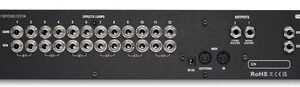
A pedal switcher routes effects through independently controlled loops so several pedals can be engaged, bypassed or reordered from one set of footswitches. Simple loop strips shorten the live signal path; programmable systems store combinations as presets and may send MIDI commands or change amplifier channels. Loop count, buffer placement, stereo support, spillover and routing flexibility define the system.

Tags

Bluetooth

Provides a short-range wireless data or audio connection. Depending on the design it may carry backing audio, editing commands, preset management or MIDI rather than the live instrument signal; codec delay and supported Bluetooth profiles determine what the connection can do.

Digital

Converts the signal or control process into numerical data for algorithmic processing. Digital designs can provide precise timing, long memory, complex routing and repeatable presets; sample rate, conversion, internal resolution and latency influence fidelity and response.

MIDI

Sends, receives or responds to Musical Instrument Digital Interface messages rather than carrying the instrument audio itself. Program changes recall presets, continuous controllers move parameters, and MIDI clock or transport messages synchronise timing between devices.

Presets

Stores complete groups of parameter values for later recall. The number of locations, switching time, spillover behaviour and whether presets include routing, expression and MIDI assignments determine how completely one sound can change into another.