
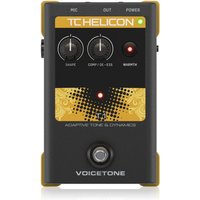
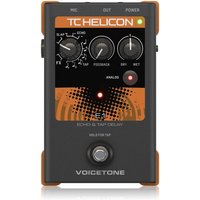
The TC Helicon VoiceTone T1 Vocal Processor reacts to your voice in real-time and applies studio-quality dynamics instantly perfect for live performances on stage in any venue. It features a compact and unobtrusive design that can be easily integrated into an existing pedalboard setup. The shape control provides complete control over the multiple EQ bands while the Compression/De-ess control reduces signal peaks and helps to eliminate both sibilance and plosive sounds. Multiple TC Helicon VoiceTone vocal processors can be conveniently daisy-chained together to create the ultimate setup and allow you to achieve your desired sound.
TC Helicon VoiceTone T1 EQ and Dynamics Vocal Processor
£85.30
This is a New TC Helicon VoiceTone T1 EQ and Dynamics Vocal Processor from TC Helicon its found in our Vocal Effect Pedals on the Just Pedals menu. Read More below.
View Just TC Helicon
As an affiliate partner, we may earn a small commission when you buy through our links — at no extra cost to you.
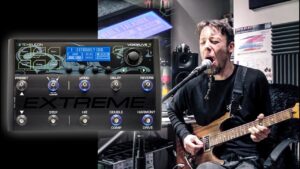
Brand
TC Helicon
TC Helicon was founded in 2000 to make audio tools specifically for singers. Its early VoicePrism rack processor provided harmonies and vocal effects; VoiceLive floor units and the later VoiceTone pedals brought those tools to live performance. JustPedals listings include VoiceTone processors for pitch correction, doubling, harmony, reverb and vocal dynamics, including the T1, C1, D1, R1 and H1. These are microphone-facing processors rather than guitar effects, and the right model depends on the vocal function needed. Music Tribe acquired TC Group, including TC Helicon, in 2015.
Category
Vocal Effect Pedals
Vocal processors accept a microphone-level signal and apply effects or pitch-aware processing to the voice. Reverb and delay add space, compression controls dynamics, harmony engines generate additional parts, and formant, doubling, distortion or vocoder processing changes vocal character. Microphone gain, phantom power, feedback control, harmony tracking, footswitch access and balanced connections distinguish a stage-ready processor from an instrument-level pedal.
Tags
EQ
Raises or lowers defined frequency regions. Fixed-band graphic controls provide direct visual shaping, while parametric controls vary centre frequency and bandwidth; the available range and filter width determine whether the change is broad tonal balance or narrow corrective filtering.
Others Just Ordered :
- I Love A Happy Accident… – Animals Pedal

- Animals Pedal Vintage Van Driving is Very Fun Overdrive

- Animals Pedal Sunday Afternoon Is Infinity Bender

- Ninevolt Pedals | Bath Time Reverb (Animals Pedal)

- This Fuzz Pedal Makes No Sense… But It Sounds Incredible

- ANIME Pedals | Animals Pedal Custom Illustrated Series
