Strymon PCH-1 DI Active Direct Interface

£259.99

Strymon PCH-1 DI Active Direct Interface by Strymon is part of our Guitar Pedals selection. See the current Andertons listing, specification and availability below.

View Just
more ,
and

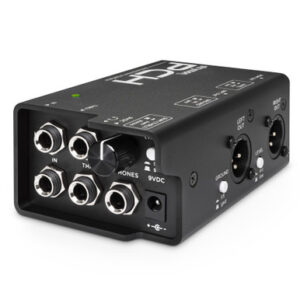
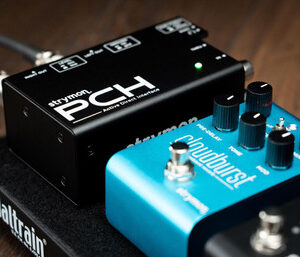
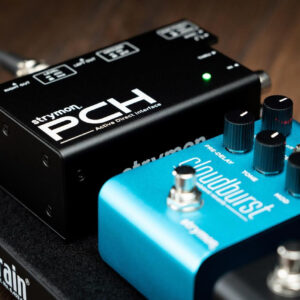
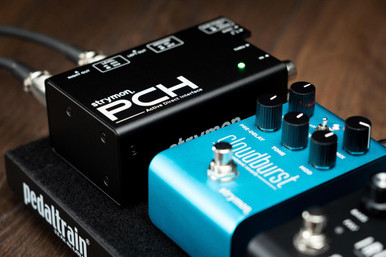
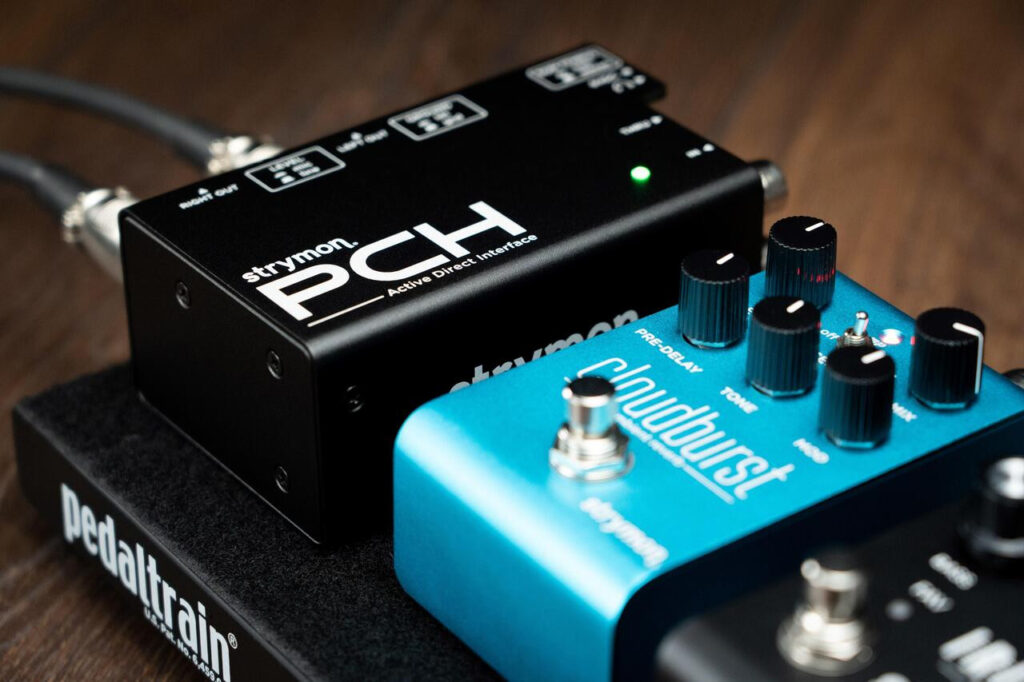
PCH is an ultra-premium stereo active direct interface with a hidden superpower – an onboard console-quality headphone amplifier. Now you can rest easy knowing that the sound of your pedalboard won’t change even a little when passing through PCH, and the headphone amp means you won’t have to ask anyone how you sound. You’ll know.

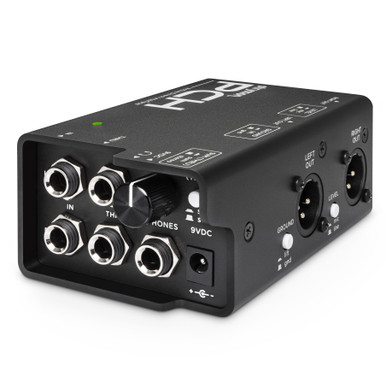
PCH has a recording console-quality headphone amplifier onboard, making it easy to monitor or practice listening to the sound of your entire rig or pedalboard in full stereo, no matter the pedal order or the components.

No matter what instrument or genre of music you play, if you need to connect unbalanced outputs to a PA, recording interface or flat response speaker system, PCH is the ultimate choice for an absolutely transparent stereo direct interface – and it’s the only one that you can listen to locally via the headphone amp.

Key Features

  • Two channel design – use in stereo or dual mono, whichever fits your setup
  • Runs on 9VDC – internally converted to 24V to be virtually unclippable
  • Onboard headphone amplifier powerful enough to drive high impedance headphones
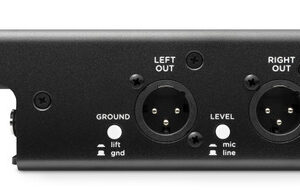
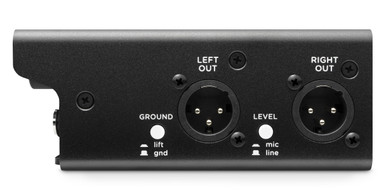
  • Switchable Mic/Line level operation for the XLR outputs
  • Defeatable ground lift for the XLR outputs
  • Defeatable Sum for the Thru outputs
  • Internal supply uses a custom transformer for galvanic isolation
  • Basically, PCH runs off of a modified internal mini Ojai power supply
  • Flat frequency response with Extremely low THD (Total Harmonic Distortion)

Specifications

In

  • Input Impedance: 1 MΩ
  • Max Input Level: +20dBu

Thru

  • Output Impedance: 100 Ω
  • SNR: +135dB (A-Weight)
  • Noise Floor: -115dBV (10-22kHz no A-Weight)
  • Gain Relative to Inputs: +0dB
  • Frequency Response: +/- 0.25dB, 10Hz – 80kHz+

HP

  • Output Impedance: 2 Ω
  • Frequency Response: +/- 0.25dB, 10Hz – 80kHz

XLR, Line Setting

  • Output Impedance: 275 Ω
  • SNR: +130dB (A-Weight)
  • Noise Floor: -110dBV (10-22kHz no A-Weight)
  • Gain Relative to Inputs: +0dB
  • Maximum Output Level:+20dBu
  • Frequency Response: +/- 0.25dB, 10Hz – 80kHz+

XLR, Mic Setting

  • Output Impedance: 100 Ω
  • Gain Relative to Inputs: -20dB
  • Maximum Output Level: +0.0dBu
  • SNR: +125dB
  • Noise Floor: -125 dBV (10-22kHz no A-Weight)
  • Frequency response: +/- 0.25dB, 10Hz – 80kHz+

Power Supply

  • Input Voltage: 9VDC
  • Current Requirement: 500mA
  • Generated Supply: +/- 12V

Related videos

Brand

Strymon

Strymon is an American company renowned for producing high-end, digitally-powered guitar effects pedals that deliver studio-quality sound. Founded in 2009 as a part of Damage Control Engineering, Strymon quickly gained a reputation for its innovative approach to effects, particularly in areas like delay, reverb, and modulation. Their pedals are known for their pristine sound quality, versatility, and deep customization options, often utilizing powerful digital signal processing (DSP) to emulate and enhance analogue sounds. Strymon’s products, such as the Timeline delay, BigSky reverb, and Mobius modulation, are highly regarded by both professional and amateur musicians for their ability to create rich, complex soundscapes. The pedals also feature intuitive controls and rugged construction, making them a staple on pedalboards worldwide.

Category

Guitar Pedals

Guitar Pedals is a useful category for players looking to shape their guitar or bass sound in a more focused way. Products in this area can help with tone, control, routing, performance or creative sound design depending on the exact type of gear involved.

For anyone building a pedalboard, guitar pedals options can help fill a specific gap in the signal chain or open up new sounds that are difficult to achieve with an amp alone. They are worth exploring when you want a more personal, flexible and practical setup.

Pedalboards

Pedalboards keep your effects organised, protected and ready to use, whether you have a small home setup or a full live rig. A good board makes it easier to arrange pedals in the right order, manage cables neatly and transport everything without rebuilding your setup each time.

The right pedalboard depends on the number of pedals you use, the size of your power supply and how often you move your gear. Even a simple board can make practice, recording and gigging feel more reliable and professional.

Tags

Guitar Pedal

Guitar Pedal pedals and related effects are commonly used by guitarists looking to shape their tone in a more focused and creative way. Different designs offer their own response, feel and tonal character depending on the style of music and the type of amplifier or guitar being used.

Many players build pedalboards gradually over time, combining different effects and utilities to create a setup that suits their own sound and workflow. Guitar Pedal related gear can play an important role in both live performance and studio recording.