Brand
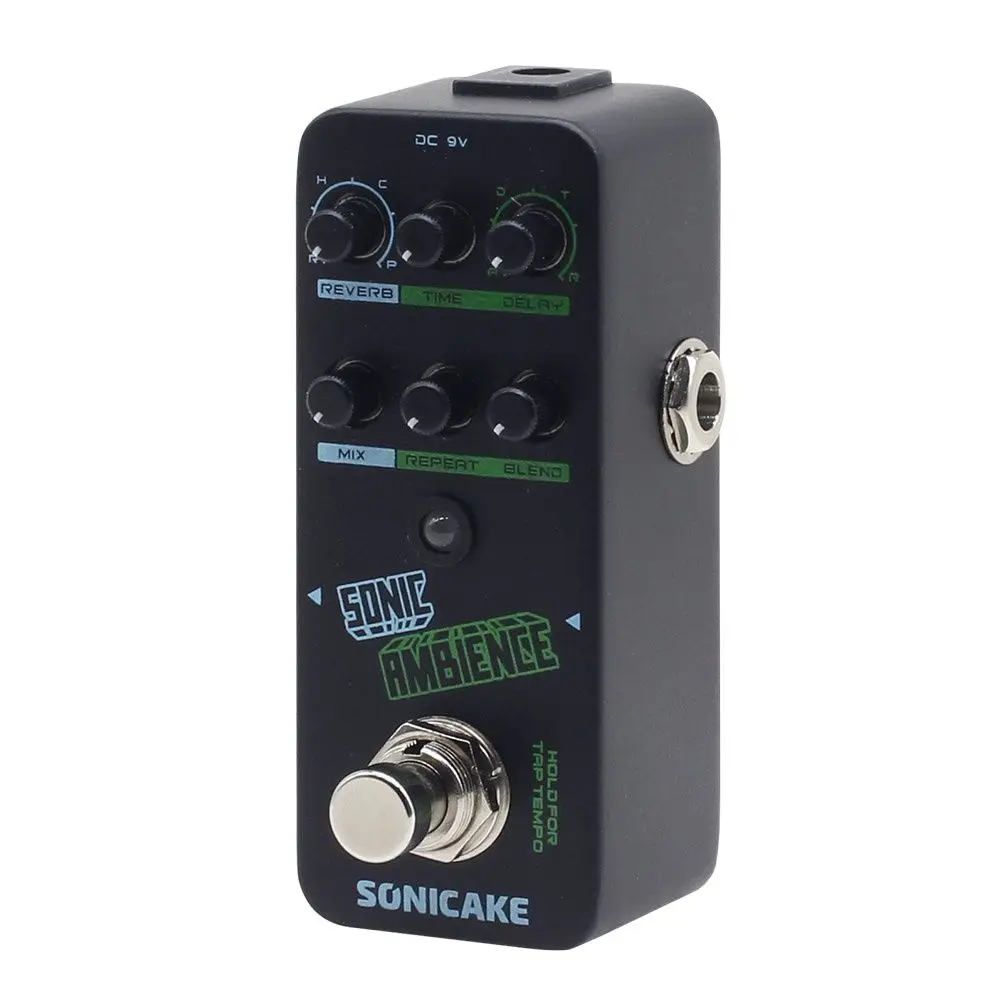
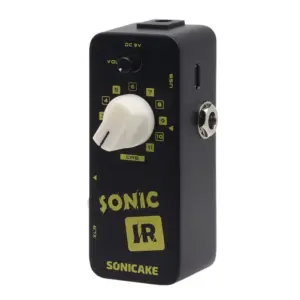
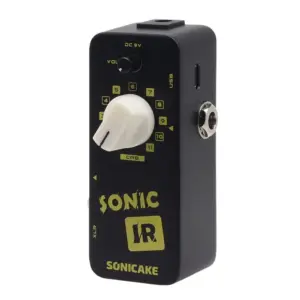
Sonicake is a Changsha, Hunan gear maker with a catalogue spanning compact effects, multi-effects processors, bass and acoustic preamps, headphone tools and accessories. Its official FAQ says its products are manufactured and packaged in Changsha. The JustPedals selection reflects that mix: the QEP-10 FlipWah combines wah and volume functions, the QME-20 Smart Box is a multi-effects processor, and listings also include adapters and headphone amplifiers. Check whether a Sonicake listing is a pedal, processor or supporting accessory before comparing it with a conventional single-effect stompbox.
Category
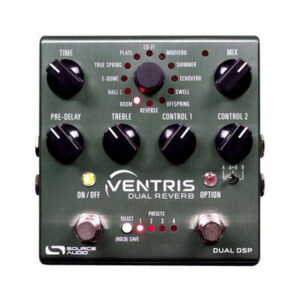
Delay and reverb are combined here because both create a sense of time and space but do so differently. Delay produces distinct repeats; reverb builds a dense field of reflections around the note. Dual-effect designs may run the sections in series or parallel, synchronise them to tempo and allow separate routing, so the interaction can range from a short room with a single echo to long, evolving ambient trails.
Tags
Voiced or equipped to retain low-frequency fundamentals and the higher headroom of a bass signal. Clean blends, crossovers and bass-specific filter ranges can preserve weight and articulation while the effected portion adds harmonics, movement or ambience.
Measures repeated foot taps and converts their interval into an effect rate or delay time. Subdivisions translate that pulse into dotted, triplet or other rhythmic values, while averaging and range limits influence how quickly and accurately the tempo settles.