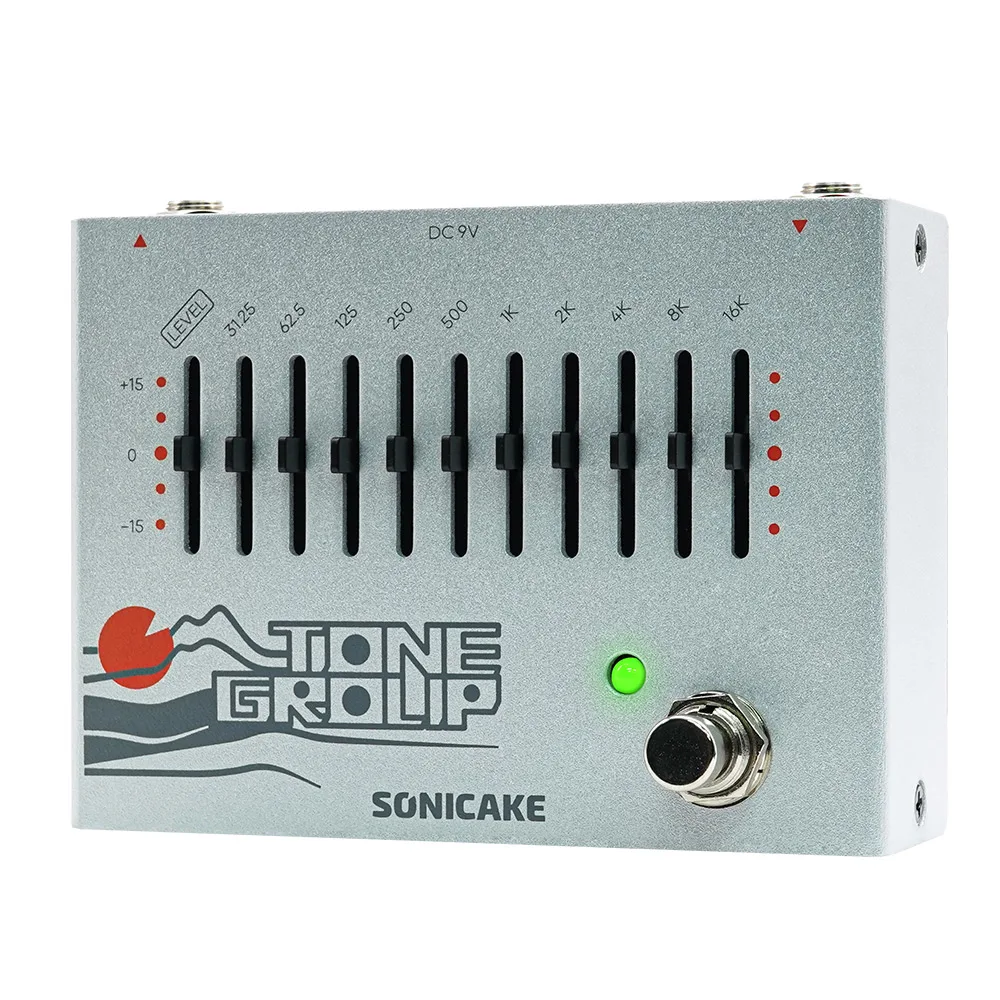
SONICAKE Tone Group 10-Band EQ Equalizer Guitar Bass Effects Pedal QDS-01 SONICAKE Tone Group 10-Band EQ Equalizer Guitar Bass Effects Pedal QDS-01
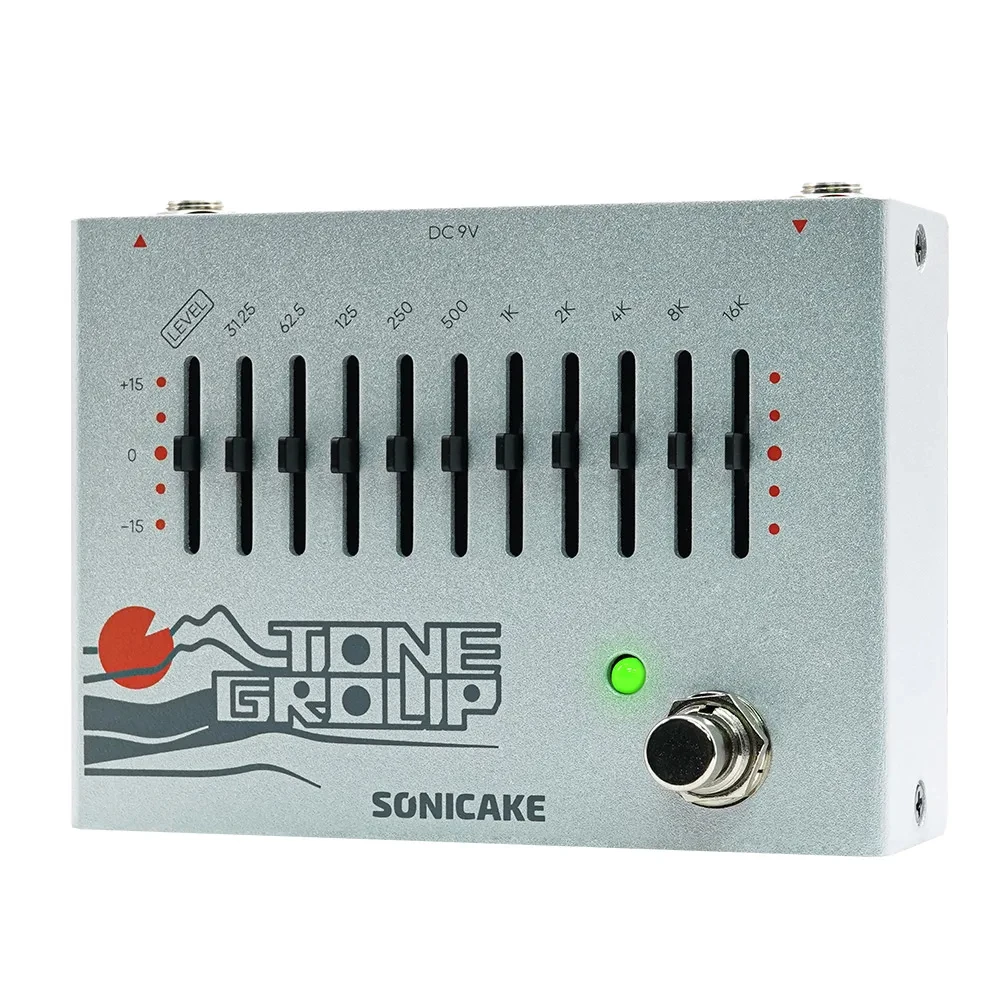
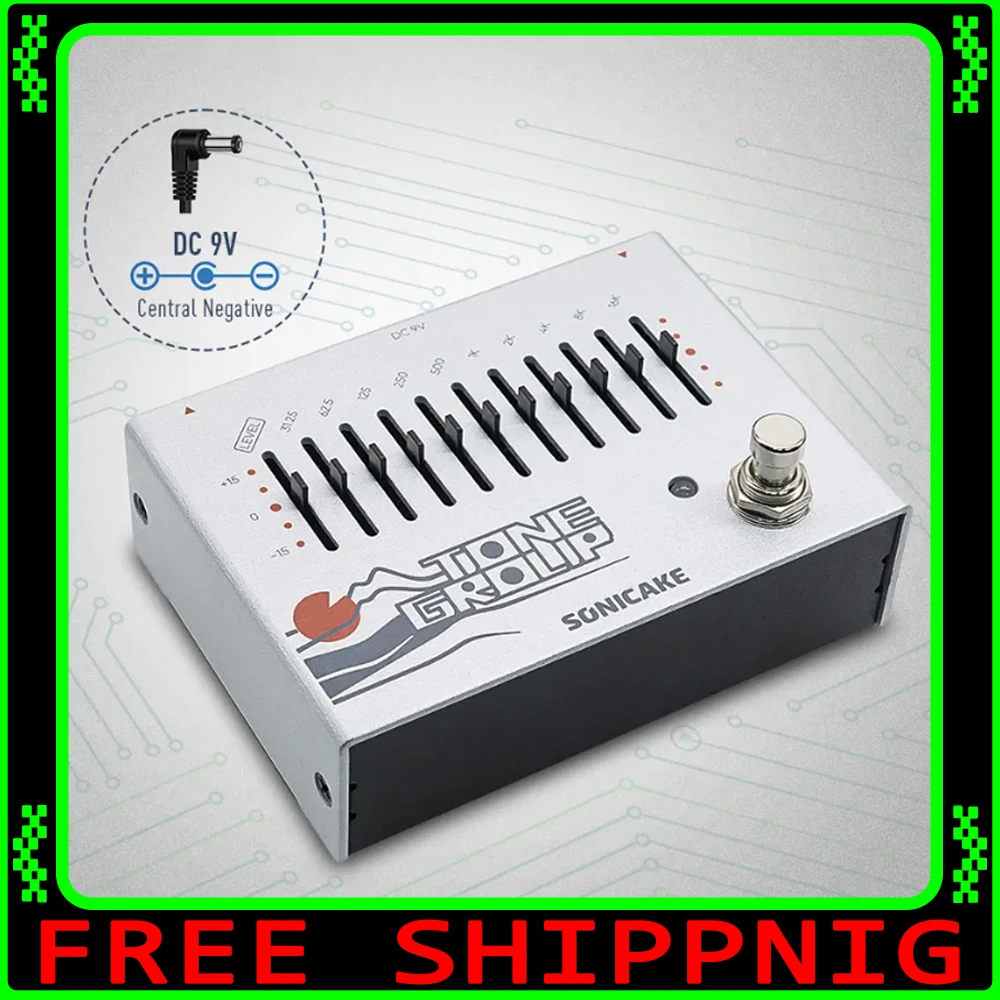
Sonicake QDS-01 Tone Group 10-Band EQ Equalizer Bass Pedal
£25.45
The Sonicake QDS-01 Tone Group 10-Band EQ Equalizer Bass Pedal is new on JustPedals, and instock GBP 25.45 direct. SONICAKE Tone Group 10-Band EQ Equalizer Guitar Bass Effects Pedal QDS-01
View Just Sonicake
As an affiliate partner, we may earn a small commission when you buy through our links — at no extra cost to you.
Related videos
Brand
Sonicake
Sonicake is a Changsha, Hunan gear maker with a catalogue spanning compact effects, multi-effects processors, bass and acoustic preamps, headphone tools and accessories. Its official FAQ says its products are manufactured and packaged in Changsha. The JustPedals selection reflects that mix: the QEP-10 FlipWah combines wah and volume functions, the QME-20 Smart Box is a multi-effects processor, and listings also include adapters and headphone amplifiers. Check whether a Sonicake listing is a pedal, processor or supporting accessory before comparing it with a conventional single-effect stompbox.
Category
EQ Pedals
Equalisation changes the level of selected frequency regions without intentionally adding modulation or time-based effects. Graphic EQ divides the spectrum into fixed bands, parametric EQ allows frequency and bandwidth to move, and simpler designs provide broad bass, middle and treble shaping. Available boost or cut, centre frequencies, filter width and overall output level determine whether the pedal makes corrective, tonal or gain-driving changes.
Guitar Pedals
Guitar pedals are compact devices placed in the signal path to change level, tone, dynamics, pitch, time, modulation or routing. This broad category includes simple analogue effects, digital processors, switching and utility products, so the most important differences are the circuit function and connection method. Check whether a model expects instrument or line level, how it is powered, whether it preserves bass or stereo information, and how its bypass behaves with the rest of the board.
Tags
Bass
Voiced or equipped to retain low-frequency fundamentals and the higher headroom of a bass signal. Clean blends, crossovers and bass-specific filter ranges can preserve weight and articulation while the effected portion adds harmonics, movement or ambience.
EQ
Raises or lowers defined frequency regions. Fixed-band graphic controls provide direct visual shaping, while parametric controls vary centre frequency and bandwidth; the available range and filter width determine whether the change is broad tonal balance or narrow corrective filtering.
Others Just Ordered :
 Sonicake QDS-01 Tone Group 10-Band EQ Equalizer Bass Pedal
 Sonicake QDS-01 Tone Group 10-Band EQ Equalizer Bass Pedal Gifts
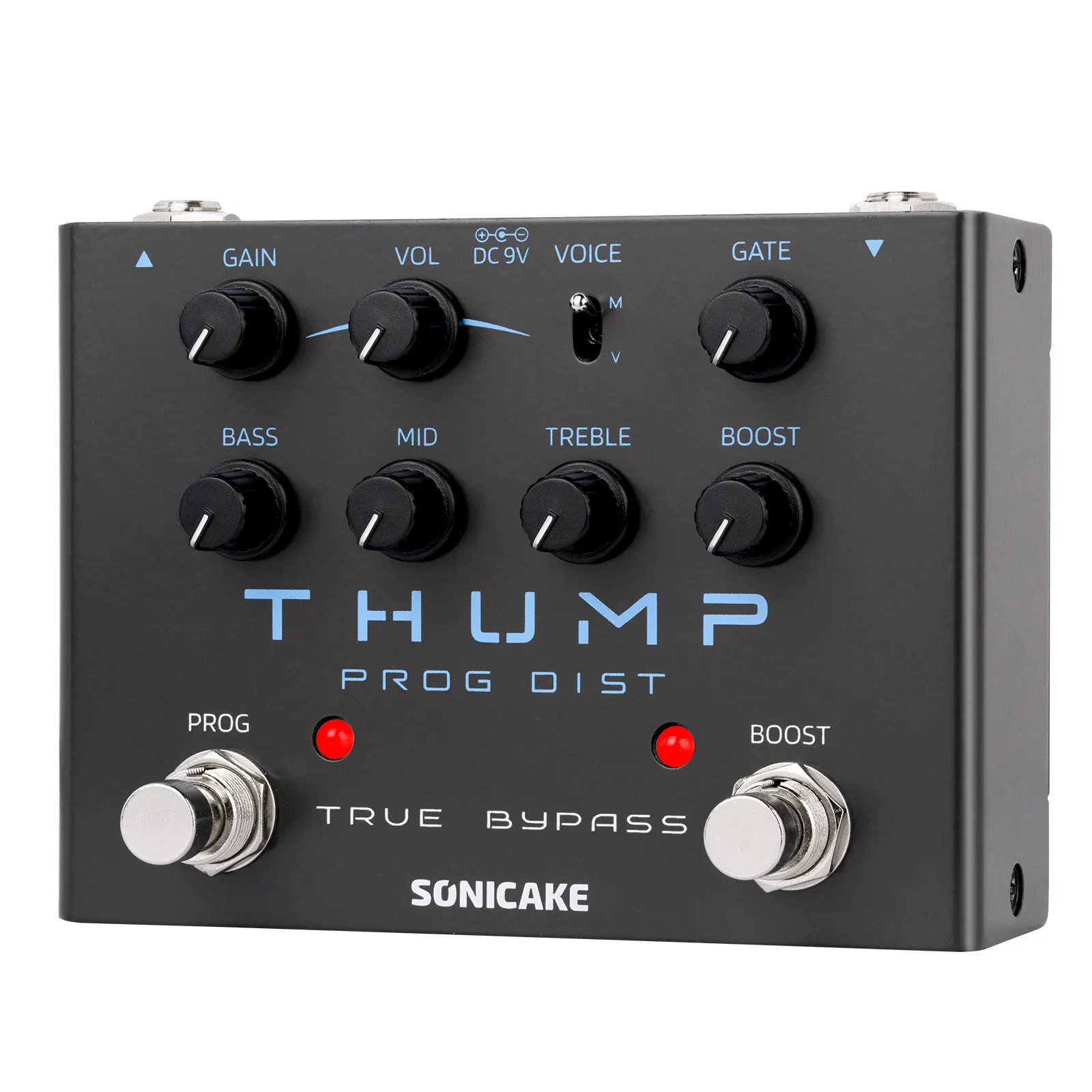 Sonicake QDS-09 Thump Pure Analog High-Gain Distortion Pedal 2 Tone Modes Modern Vintage
Sonicake QDS-09 Thump Pure Analog High-Gain Distortion Pedal 2 Tone Modes Modern Vintage
Sonicake QDS-09 Thump Pure Analog High-Gain Distortion Pedal 2 Tone Modes Modern Vintage
- I Love A Happy Accident… – Animals Pedal

- Animals Pedal Vintage Van Driving is Very Fun Overdrive
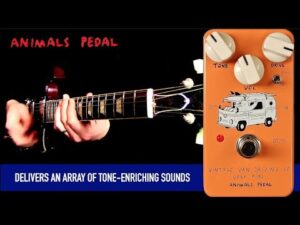
- Animals Pedal Sunday Afternoon Is Infinity Bender

- Ninevolt Pedals | Bath Time Reverb (Animals Pedal)
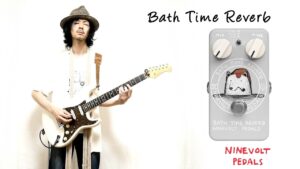
- This Fuzz Pedal Makes No Sense… But It Sounds Incredible

- ANIME Pedals | Animals Pedal Custom Illustrated Series